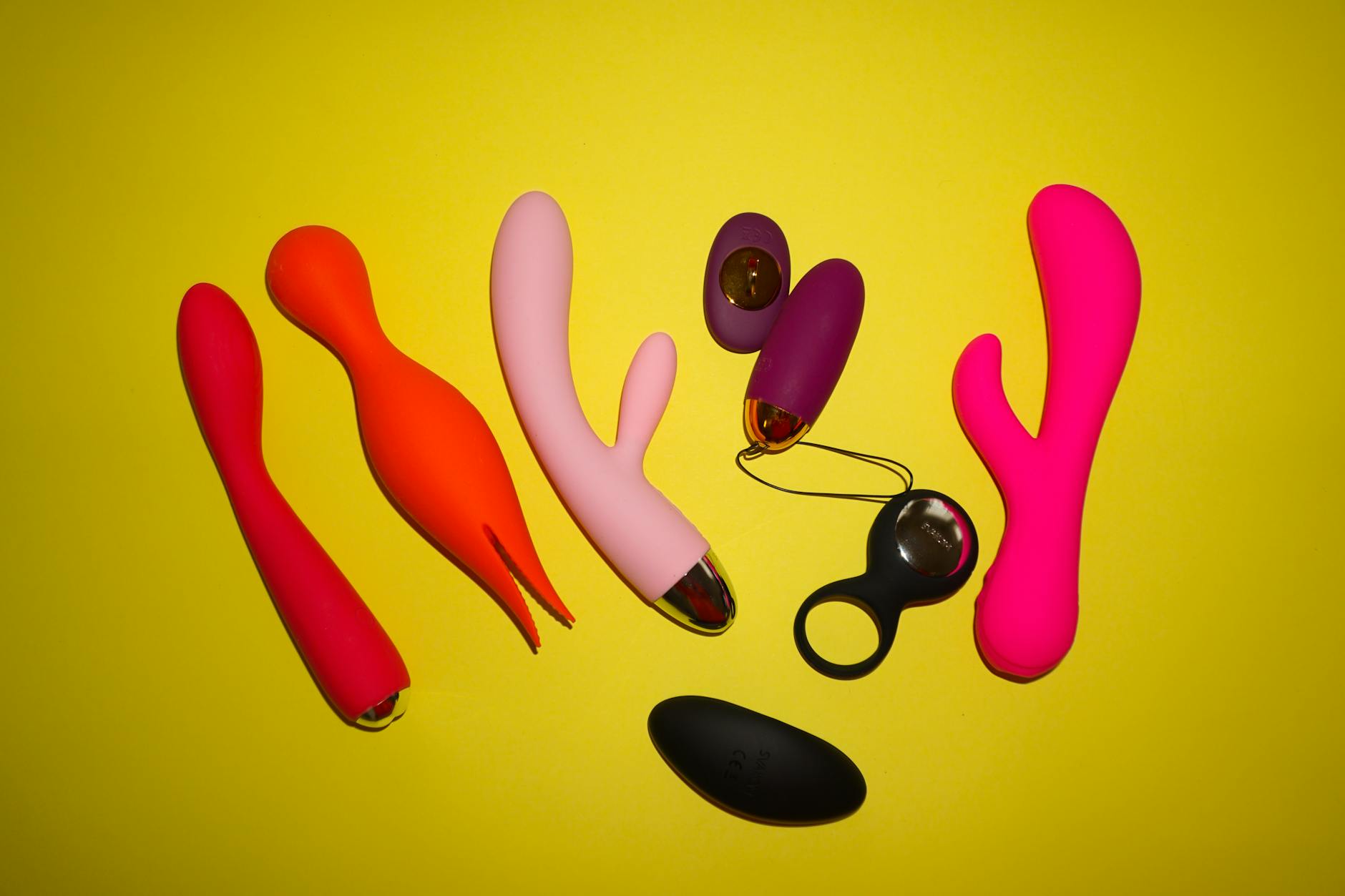
When life upends, arousal vanishes first
Let's be real. You got the promotion, finished the move, started the new chapter. And your libido ghosted. This isn't lazy. It's not a relationship problem. It's what happens when your nervous system is busy processing change, uncertainty, and the low-level stress that comes with starting over.
Arousal is neurological before it's sexual. When your brain is scanning for threats and managing new routines, pleasure signals get deprioritized. Your body isn't broken. It's just operating in survival mode.
Why life transitions tank desire
Three things happen simultaneously when you navigate a major change like a job shift, relocation, or relationship transition.
First, your cortisol stays elevated. Stress hormones suppress dopamine and testosterone, the two chemicals that fire up desire. You're not choosing to feel less attracted or less interested. Your endocrine system is literally muting the signal.
Second, your attention is fragmented. Starting a new job, managing a move, or adjusting to a new living situation takes cognitive load. Mental bandwidth is finite. When 80 percent of it goes to logistics and adjustment, there's not much left for fantasy or anticipation.
Third, your pelvic floor gets tight. Chronic low-level stress clenches everything from your jaw to your hips. A tense pelvic floor dampens sensation and makes arousal feel harder to access. It's a feedback loop: stress tightens the body, tightness reduces sensation, reduced sensation makes arousal feel impossible.
None of this means your capacity for pleasure is gone. It means it needs a reset.
How lemon vibrators interrupt the loop
This is where clitoral vibrators, especially lemon suckers, offer something different from willpower or waiting it out.
Lemon suction vibrators use gentle air-pulse technology rather than direct vibration. That matters during low-arousal periods because it doesn't require you to already be turned on. Traditional vibrators work better when blood is already flowing to your genitals. Air-suction devices like the Lem bypass that requirement. They're designed to trigger arousal response from a baseline state.
When you're in that post-transition fog, this is exactly what you need. You don't have to feel desire first. The lemon vibrator's pattern creates micro-sensations that wake up nerve endings and pull blood flow to the area. Arousal follows. The cart doesn't come after the horse. The cart gets the horse moving.
Second, using a lemon clitoral vibrator creates what therapists call a "behavioral activation." You're not waiting for motivation. You're creating a structure. You put 15 minutes on the calendar. You use the device. Consistently using a lemon vibrator during low-desire periods literally rewires your brain to expect pleasure in that time and space. After three or four sessions, your nervous system starts to anticipate it.
Third, the physical sensation of a lemon suction toy interrupts rumination. During major life changes, your mind loops on what's uncertain or stressful. The moment you activate a clitoral vibrator, your attentional system has to shift. You can't think about the new job logistics and feel the Lem at the same time. It's a forced, gentle escape.
The practical sequence for restarting arousal
Here's what I recommend to clients rebuilding desire after a major transition:
Week one: sensation only. Use your lemon vibrator on lower settings for 10 minutes, no goal of orgasm. You're training your nervous system that this time is safe and sensory. If you come, great. If you don't, that's fine too. The point is consistency, not outcome.
Week two: add rhythm. Same 10 minutes, but now experiment with pattern changes on your lemon clitoral vibrator. Notice which patterns feel good that week. Your preferences will shift as your nervous system settles. That's normal.
Week three: extend and explore. Move to 15 minutes. Let arousal build naturally. If you want to bring fantasy or memory in, fine. If you just want to feel, that's fine too. The goal is to rebuild the pathway between stimulus and response.
Week four: integration. By now, your body has relearned that pleasure is available. If you have a partner, this is when you might invite them in. If you're solo, you might notice that spontaneous desire starts showing up again outside these sessions.
The lemon vibrator isn't a magic fix. It's a tool that uses your body's own neurology to remind your system that pleasure exists, even when your life is upside down.
Why suction works better than vibration during transitions
During normal arousal, you have flexibility. Vibrators, wands, whatever. During a low-arousal period, clitoral suckers have a specific advantage.
They're gentler on tissue that's had reduced blood flow and sensation. They don't require the same degree of genital engagement. And they work by creating rhythmic pressure changes that mimic the sensation of oral stimulation. Your nervous system recognizes this as pleasure-coded touch even when your cognitive brain is distracted.
If you're using something like the Lem, you also get the benefit of design. It's small enough that it fits into daily life without feeling clinical. You can use it in a bathroom, a bedroom, during a quiet moment. It doesn't require elaborate setup.
When to use the vibrator in your week
Timing matters. Here's what I've found works:
Early evening is better than late night. When arousal is low, you're already tired by bedtime. Morning can work if your energy is highest then. Avoid using it when you're in active crisis mode (the day of a big work presentation, mid-move). Pick a time when you have 20 minutes and your nervous system is even slightly settled.
Consistency beats duration. Three times a week, 15 minutes each, works better than one long session. You're building a pattern, not trying to make it count.
Solo is the way to start. Don't put pressure on yourself to use the lemon vibrator with a partner while you're rebuilding. Solo use lets you drop expectations and just feel. Once desire starts coming back, you can explore partnered use.
Rebuilding desire takes time (and that's okay)
Major life changes ask a lot. Your body knows this, even if your mind is trying to push through. The fact that arousal dipped isn't a sign of anything wrong with you or your relationship. It's a sign that your nervous system is doing its job: protecting you while you navigate uncertainty.
Lemon vibrators, especially ones designed with suction technology, can be a shortcut back. They interrupt the stress loop. They rebuild the neurological pathway between stimulus and pleasure. They remind your body that this kind of feeling is still possible, even when everything else is new.
The arousal will come back. Tools like the Lem just make the waiting shorter.
People also ask
How long does it take for lemon vibrators to help with arousal after a life change?
Most people notice a shift within 3-4 weeks of consistent use (3 times per week). Your nervous system is remarkably adaptive. As soon as you create a new routine around pleasure, your brain starts rewiring expectations. That said, major life changes can take 2-3 months to fully settle. Patience with yourself matters more than rushing the process.
Can I use a lemon clitoral vibrator if I feel completely numb down there?
Yes, and this is actually one of the main reasons to use one. When sensation is dulled by stress, a lemon suction vibrator creates noticeable physical sensation without requiring you to feel arousal first. That external stimulus is often what kicks arousal back online. Start on lower settings and give yourself permission to just feel, without expecting anything.
Is using a lemon vibrator during a life transition a sign something's wrong with my relationship?
Not at all. Using tools for your own pleasure during transitions is actually one of the healthiest things you can do. It keeps arousal alive independently from your partner. If you have a partner, you can later include them. But rebuilding your own desire pathway solo gives you agency and reduces pressure on the relationship to fix something that's actually about your nervous system adjusting.
Should I use a lemon sucker alone or with my partner when restarting arousal?
Start alone. When arousal is low, partnered use can create performance pressure. Using a lemon clitoral vibrator solo means you're not managing their experience, their arousal, or their feelings. You're just feeling. Once you notice your own desire returning, then invite your partner in if you want to. This usually takes 3-4 weeks. See our guide on how to use lemon vibrators with a partner for more on that transition.
What if I still don't feel arousal after using a lemon vibrator for a month?
If life stress is severe or ongoing, arousal can stay suppressed longer. Check in with whether the underlying life change is actually settling. Sometimes the tool can't outpace genuine chaos. Also, if this coincides with depression, major sleep loss, or other health changes, a conversation with your doctor is worth having. Lemon vibrators are excellent for situational low desire. They're less helpful if something else is going on medically or psychologically.
Can lemon vibrators help arousal if my partner doesn't know I'm using one?
Absolutely. Your solo pleasure practice is yours. That said, if you eventually want to bring it into partnered sex, transparency helps. Many partners find it reassuring when they understand that low arousal during transitions isn't about them. Using a lemon clitoral vibrator becomes a conversation starter: "I'm rebuilding this for me, and I'd love to include you later if you're interested."
Moving forward
Life changes aren't quick. Your nervous system doesn't know that the new job is good or the move is temporary. It just knows change happened, and it's going to stay cautious until it has evidence you're safe again.
Lemon vibrators work because they give your body that evidence. They create sensation. They build pattern. They remind your nervous system that pleasure is still available, even in the middle of everything shifting. That's not escaping your life. That's taking care of yourself while you're building the new one.
If you want to talk through how to navigate arousal changes in your relationship during a transition, we're here to help. Reach out at /contact.