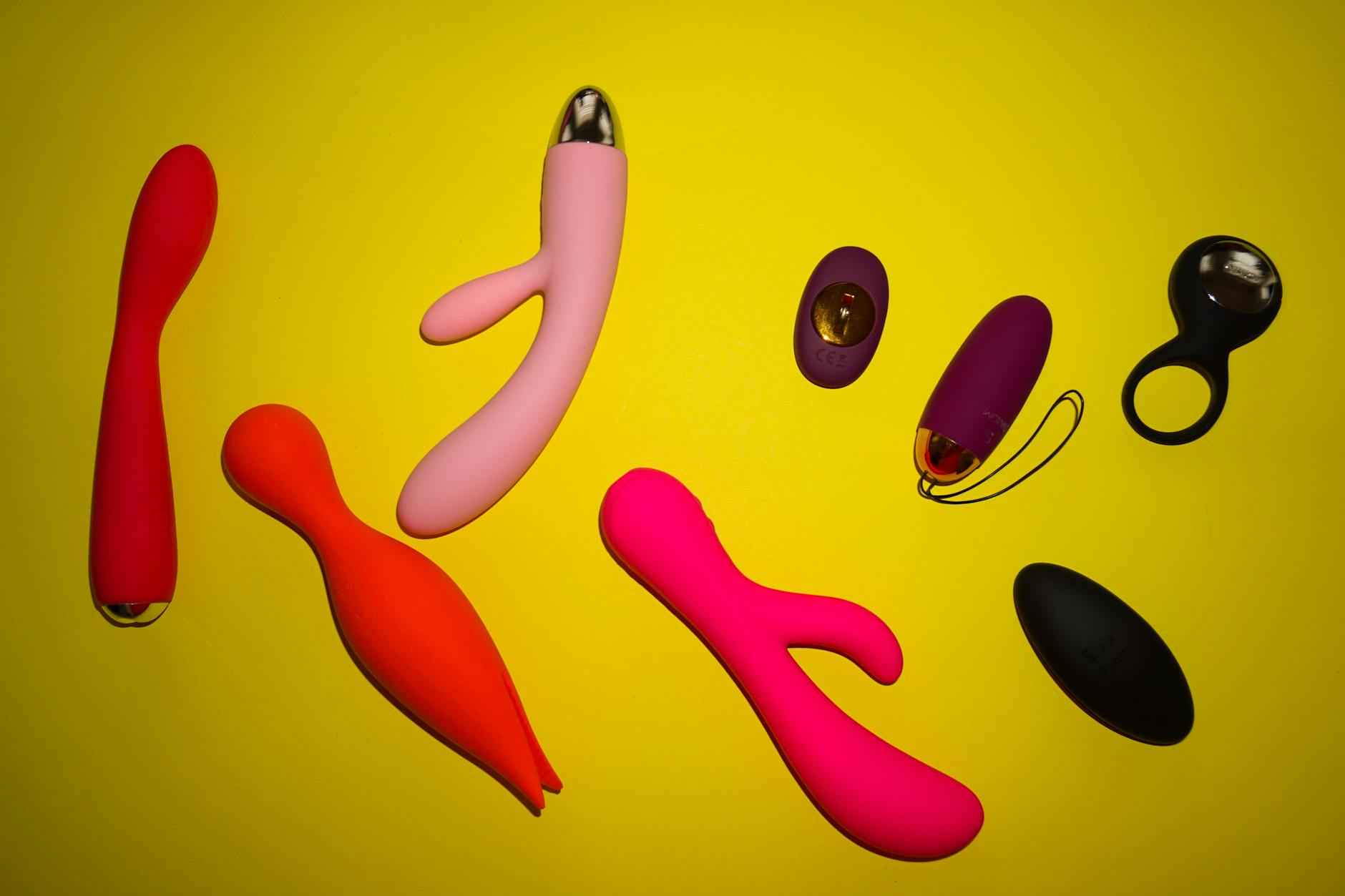
Here's the thing about new partners and toys
Introducing a lemon vibrator or any clitoral vibrator to someone new can feel loaded. Will they think you need it because they're not enough? Will it feel clinical? Will the moment turn awkward? Honestly, most of the anxiety lives in your head before you say anything. Once you actually start the conversation, it gets easier.
The trick is separating the toy from the person. A lemon clitoral vibrator isn't a commentary on your partner's skills. It's a tool that does one thing really well. Let me walk you through how to introduce it without the weirdness.
Why the conversation matters more than the toy itself
I see couples in my practice who skip the talk and just pull out a toy mid-encounter. Sometimes it works. Often it lands weird because the partner feels blindsided or assumes something about what you're feeling. The best sex happens when everyone's on the same page before clothes come off.
The conversation does three things at once. First, it removes surprise and gives your partner time to get curious instead of defensive. Second, it signals that you're thinking about both of your pleasure, not just your own. Third, it normalizes the idea that good sex involves tools, communication, and adaptation.
When you frame it that way, introducing a lemon vibrator becomes a green flag, not a red one.
How to start the actual conversation
You don't need a formal sit-down. A car ride, lying in bed after sex, or even a text works fine. The key is making it feel natural and low-stakes. Here's a template that works:
"I've been thinking about trying something new with you, and I wanted to see if you'd be into it. I've heard great things about lemon vibrators, and I think it could feel really good for me. Would you be open to exploring that together?"
Notice what's in there: it's about you (I want to feel good), it involves them (with you), and it's a question (would you). That framing makes them a participant, not a bystander.
If your partner seems hesitant, ask what's coming up for them. Maybe they're worried it means the relationship is boring. Maybe they feel insecure. Those are real feelings and they deserve a real conversation. That's different from your partner saying "absolutely, let's try it." Both responses are useful information.
Before you use it together
Familiarize yourself with the lemon vibrator alone first. Know which patterns feel best to you, how long the vibrations take to build sensation, and what your body actually wants. This matters because when you're with your partner, you won't be figuring out the basics. You'll already know what you like.
Show your partner the toy if they haven't seen it yet. Let them hold it. A lemon clitoral vibrator is sleek and discreet, not intimidating. Seeing it in daylight, hearing how quiet it is, removes the mystique. It's just a tool.
Talk about the role you both want to play. Do you want to use it yourself while your partner watches and touches you elsewhere? Do you want them to hold it and guide it? Do you want it incorporated into foreplay or during penetration? There's no one right way. The conversation is the point.
During: What actually works
Start slow. Don't launch into intensity on your first time together with it. You want to enjoy the experience, not white-knuckle through overstimulation.
If you're using it yourself, start with a lower setting and let your partner be involved with the rest of their hands and mouth. The lemon vibrator focuses the sensation, and your partner can still touch your inner thighs, kiss your neck, or stroke your body. That blend of singular focus and distributed touch creates richness.
If your partner is holding the toy, communicate in real time. "A little higher," "right there," "slower." This isn't directing traffic. It's collaboration. Most people actually want this guidance because it makes them feel like they're doing it right.
Break eye contact if you need to. Some people get self-conscious coming with a partner watching, even with a toy that's explicitly designed to make that happen. If you need to close your eyes and focus, do it. Your pleasure is the point.
The after
Don't just roll over. Cuddle. Talk. Ask your partner what they liked about the experience. Did they like watching you? Did they like the physical closeness? Did they feel included? And tell them what worked for you. Not in a clinical way. Just in a "that felt amazing" way.
If it didn't feel perfect, say that too. "I'd like to adjust the angle next time," or "I want to experiment with a different pattern." Feedback is feedback. It's not criticism.
For future encounters, you'll learn what works. Maybe the lemon vibrator becomes a regular part of your intimacy. Maybe you use it sometimes. Maybe you try other tools. The point is that you've opened a door to communication and exploration that most new relationships don't have.
What to avoid
Don't apologize for wanting this. Don't frame it as "I'm sorry I need this." You don't. You want it because it feels good, and your pleasure is valid. That's it.
Don't present it as a last resort. If your partner thinks you're pulling out a lemon vibrator because things aren't working, they'll get defensive. Frame it as enhancement, not repair.
Don't forget about them. The toy is for you, but the experience is together. If your partner is sitting on the sidelines feeling left out, they won't enjoy it. Keep them in the picture. Make it a shared moment.
Don't expect perfection the first time. The goal isn't a flawless encounter. The goal is trying something new together and being able to laugh if it's a little awkward.
The bigger picture
Introducing a lemon clitoral vibrator to a new partner is actually a test of how you two handle pleasure, communication, and vulnerability. If you can navigate this conversation, you can navigate most relationship conversations. You learn what your partner thinks about desire, curiosity, and comfort. You learn if they're someone who wants you to feel good or if they're more concerned about themselves. And they learn that you're someone who knows what you want and isn't afraid to ask for it.
That's relationship architecture. The toy is just the beginning.
FAQ: Common questions about lemon vibrators and new partners
How do I bring it up without seeming like I've been thinking about it obsessively?
You have been thinking about it. That's fine. Bring it up matter-of-factly, like you would anything else you're curious about. "I've been wanting to try a lemon vibrator. I think it would feel incredible and I'd love to explore that with you." That's all you need. You don't have to pretend you just stumbled upon the idea.
What if my partner says no?
Then you get to have a conversation about why. Is it a hard no or a "not yet" no? Can you do it alone while they're not present? Do they want to wait until you're further into the relationship? Respect the boundary and circle back later if it feels right. Some people warm up to things over time.
Will using a lemon vibrator make them feel replaced?
Only if you frame it that way. A lemon clitoral vibrator does one thing: delivers precise suction and vibration to nerve-dense tissue. Your partner does everything else. They kiss you, they hold you, they make you feel desired. The toy is a solo instrument in a larger experience. You're not replacing them with it.
Is it weird to use a vibrator during penetration?
Not at all. For people with vulvas, clitoral stimulation and penetration are different sensations. Combining them often leads to more intense pleasure. If your partner is worried about space or discomfort, start with external positions and adjust as you go. Communication wins here too.
What if I orgasm too quickly with the vibrator?
Celebrate it. Your nervous system is responding. If you want to prolong things, you can always take breaks between patterns or switch up the intensity. And honestly, if you orgasm quickly, many people find it easier to relax and explore more sensation afterward. Quantity and intensity are different currencies.
Should I use the lemon vibrator on my partner too?
Only if they have a vulva and want that. Different bodies respond to different stimulation. Ask them what they'd like. Some partners want to try it. Some don't. There's no obligation in either direction.