
Let's talk about the thing nobody mentions
Post-surgery recovery is clinical. Doctors tell you when you can walk, drive, lift things. Nobody tells you when you can have pleasure again. That silence turns "when can I use lemon vibrators after surgery" into a question you Google alone at 2 a.m., then immediately delete from your search history. Let's fix that.
Whatever surgery you've had. Pelvic, abdominal, gynecological, or anything affecting the nerves, tissue, or blood flow to your genitals. Your body is going to respond differently during recovery. That doesn't mean you're broken. It means you need information, patience, and tools designed for sensitivity.
The physical changes surgery creates
Surgery disrupts three things that matter for pleasure. First, blood flow. Your body is healing, which means circulation is being redirected to the surgical site, not necessarily toward genital tissue. Second, nerve pathways. Even minimally invasive surgery can create inflammation that muffles sensation temporarily. Third, pelvic floor function. Post-operative swelling and guarding often tightens your pelvic floor automatically, which can make arousal feel stalled or sensation feel locked away.
Most of these changes are temporary. Blood flow normalizes in 4 to 8 weeks for many procedures. Nerve sensitivity returns over months, not years. The pelvic floor learns to relax again once the threat signal passes.
But here's the thing. You don't have to wait until you're "fully healed" to explore pleasure. You just have to be smart about how and when.
When your doctor actually means you can start
Check your discharge paperwork. Most post-operative instructions tell you when penetrative sex is safe (usually 4 to 6 weeks for pelvic procedures, sometimes longer). What they don't always clarify is that external clitoral stimulation is often safe much sooner, sometimes within weeks of surgery.
The reason: clitoral vibrators like those from The Lemon Suckers apply gentle suction and vibration to external tissue without internal pressure. There's no penetration, no friction against healing internal structures, and no direct pressure on the surgical site itself.
That said, ask your surgeon specifically. "When is external clitoral stimulation safe?" is a medical question they can actually answer. Many surgeons will say yes earlier than you expect.
The sensitivity piece nobody prepared you for
Three things happen during post-surgical recovery that change how clitoral vibrators feel. Your tissue is hypersensitive because it's healing and inflammation is high. This sounds like it would be good for pleasure. It's not. It feels raw, defensive, like touching a sunburn. Your clitoris might feel numb in parts, overly sharp in others. This is normal. Inflammation causes uneven nerve firing.
Your nervous system is in protective mode. Your body has learned that sensation might mean pain, so it's literally dimming the pleasure channel. This isn't psychological. It's a survival response that usually eases as healing progresses.
How to use lemon clitoral vibrators during early recovery
Here's the practical framework. Start with pattern and intensity at absolute minimum. If you're using a lemon vibrator, begin on pattern 1. Don't jump to pattern 3 or the ramp feature. Give your nervous system weeks to remember that sensation can be safe again.
Use water-based lubricant. Post-surgical tissue is often drier because blood flow is compromised. Lubrication isn't comfort. It's medical support. It reduces friction and helps the vibrator glide without catching on sensitive tissue.
Session length matters. Keep initial sessions to 10 to 15 minutes maximum. Your nervous system is already working overtime healing. Overstimulation during recovery can feel like a setback. Short, gentle sessions with rest days in between give your body the signal that pleasure is safe.
Position yourself comfortably. If lying flat creates tension in your surgical area, don't do it. Recline on your side, sit propped up on pillows, or find whatever position means zero pulling or discomfort at the surgical site. Pleasure should never compete with healing.
The mental part of getting back to pleasure
Here's what therapists see repeatedly. After surgery, many people disconnect from their bodies because those bodies hurt. Surgery teaches your nervous system that your genitals are a threat zone. Rebuilding pleasure means gently interrupting that narrative.
This is where a tool like a lemon vibrator actually helps beyond the physical. It's external stimulation that you're completely in control of. You set the pattern, the intensity, the duration. That control is essential during recovery because it rebuilds your sense of agency over your own pleasure.
If you have a partner, tell them what you're doing. Not in a sexy way. In a factual, protective way. "I'm starting to rebuild sensation and I want to use a vibrator during my recovery window. I'll let you know what I need." That statement does two things. It frames pleasure as part of your healing plan, not a side activity. It also prevents the awkwardness of your partner accidentally triggering swelling or discomfort because they don't know your tissue is still sensitive.
When to step up intensity (and when to wait)
After 4 to 6 weeks, if you've had no increased swelling, pain, or discharge, most people can shift to medium patterns on their lemon vibrator. After 8 to 12 weeks, assuming you're fully cleared by your doctor and you're not experiencing flare-ups, you can experiment with higher intensities.
But listen to your body, not the timeline. If intensity feels sharp or pulling instead of pleasurable, go back down. If a pattern triggers swelling or discomfort the next day, you jumped too fast. Recovery isn't linear. It's two steps forward, one step back, usually.
If sensation hasn't returned significantly by 3 to 4 months post-surgery, mention it at your follow-up appointment. Persistent numbness after certain procedures is worth flagging to your surgeon. Sometimes pelvic floor physical therapy or other interventions help accelerate the process.
The role of lemon vibrators in rebuilding confidence
Surgery touches something deeper than just tissue. It can make you feel disconnected from pleasure altogether. A tool that's been designed for external gentleness, like a lemon clitoral vibrator, can be the bridge back to trusting your body.
You deserve pleasure during recovery, not after. That's not impatience. That's self-care. It means you're actively signaling to your nervous system that your body is safe, that sensation can be good, and that healing includes rebuilding joy.
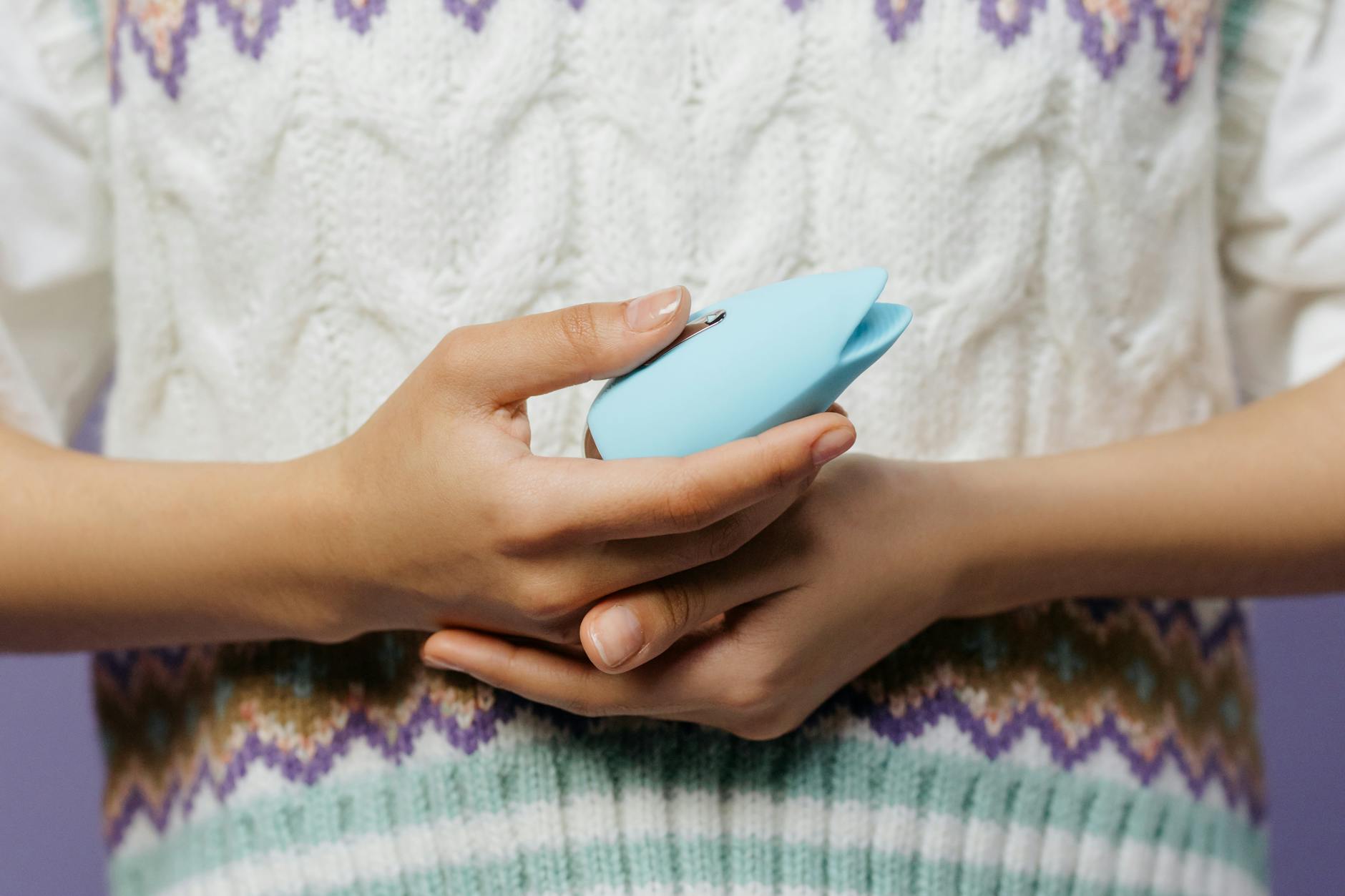
Photo by cottonbro studio on Pexels
FAQ: Common questions about lemon vibrators and post-surgical recovery
How soon after surgery can I use external clitoral vibrators?
It depends on the surgery type and your doctor's clearance. Many people can use external vibrators like lemon clitoral vibrators 2 to 4 weeks post-op, even if internal penetration isn't cleared until 6 weeks. Ask your surgeon specifically about external genital stimulation, not just "sex." They'll give you a clearer timeline than a generic post-op sheet.
Will using a lemon vibrator too soon delay my healing?
Not if you're gentle. External clitoral stimulation doesn't apply pressure to internal healing structures. However, if it causes increased swelling, discharge, or pulling at your surgical site, you should wait longer. Pain is your body's signal that something isn't ready yet. Respect it.
My clitoris feels numb after surgery. Will a lemon vibrator help?
Yes, often. Gentle, consistent stimulation can help wake up numbed nerve pathways. The key is consistent but not aggressive. Use it on low patterns every few days, not daily, until sensation starts returning. If numbness hasn't improved by 3 to 4 months, talk to your surgeon. Persistent post-operative numbness sometimes needs professional attention.
Should I use lubricant with my lemon vibrator during recovery?
Absolutely. Post-surgical tissue is often drier, and dryness increases friction and discomfort. Use a good water-based lubricant with every session. It's not a luxury. It's a functional part of recovery.
Can I use a lemon vibrator if I have internal stitches?
As long as you're using external stimulation only, yes. The vibrator never touches internal tissue. That said, if your discharge paperwork specifically prohibits external stimulation during your recovery window, follow that guidance. Your surgeon's instructions for your specific procedure override general advice.
What patterns should I use when I first start using a lemon vibrator after surgery?
Begin on pattern 1 or 2. Don't use the ramp feature or jump to higher patterns. Your nervous system is already recalibrating. Give it weeks to remember that sensation is safe. Many people find they need lower patterns than they used pre-surgery for the first month or two. That's normal. Higher patterns will still be there when your tissue is ready.
The honest close
Post-surgical recovery is about rebuilding trust in your body. A lemon vibrator isn't magic. It's a tool that lets you explore pleasure safely during a time when safety matters most. Use it gently, follow your doctor's guidance, and remember that there's no rush. Your pleasure is part of your healing, not separate from it.
If you're struggling with numbness, pain, or sensation loss that isn't improving within a few months, reach out to your surgeon or consider talking to a pelvic floor specialist. Sometimes what feels like a permanent change is actually something fixable with the right support.
Your body is stronger than you think. Give it time, give it tools, and give it permission to feel good again.