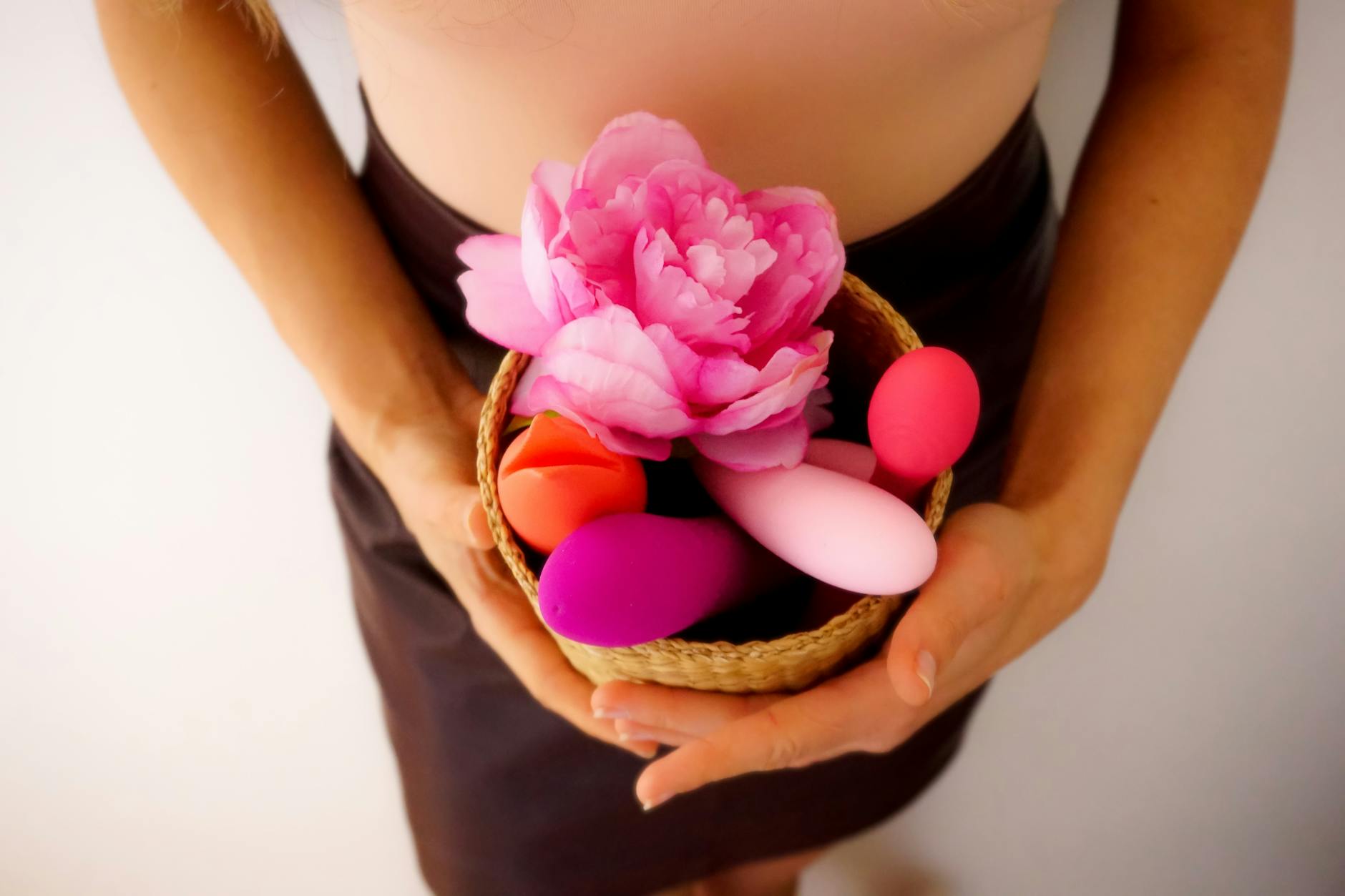
Your libido has a season
Let's be real. Your desire doesn't stay the same year-round. For most people, libido dips when days get shorter, energy drops, and the world feels heavier. That's not a personal failing. That's biology hitting you with seasonal affective patterns, temperature changes, and circadian rhythm disruptions that absolutely affect arousal.
The problem isn't your body. The problem is expecting it to perform on the same setting in December as it does in June.
Why seasonal fluctuations happen
Three systems are at play.
First, light exposure. Reduced daylight triggers a shift in melatonin and serotonin production. Less serotonin means lower mood, lower energy, and lower desire. Your brain isn't failing. It's responding to measurable environmental signals.
Second, temperature. Cold weather contracts blood vessels, reduces genital blood flow, and makes arousal slower to build. Warmer seasons naturally increase circulation. Your body is just being efficient with resources.
Third, activity levels. Most people move less in winter. Less movement means lower cardiovascular fitness, which directly impacts sexual stamina and arousal response. Winter isn't laziness. It's seasonal behavior that's completely normal.
Here's what matters: understanding this pattern stops you from blaming yourself. You're not broken. You're seasonal.
The tension between desire and expectation
Most advice tells you to "push through" seasonal dips. More date nights. More communication. More effort. But effort without tools becomes another chore. And chores kill desire faster than anything.
That's where the right lemon vibrator comes in. These aren't about forcing arousal. They're about meeting your body where it actually is, not where you think it should be.
Lemon clitoral vibrators work during seasonal slowdowns because they don't depend on arousal you don't have yet. They generate the physical stimulation your nervous system needs to wake up, and they do it efficiently. No performance pressure. No waiting for desire to arrive on its own.
Seasonal timing and pleasure tools
If your libido typically dips October through March, start introducing lemon adult toys early September. Don't wait until you're completely checked out. Consistency matters more than intensity.
During your peak season (usually April through September), explore different patterns and intensities on your chosen lemon vibrator. Learn what your body actually responds to when desire is higher. You're building a library of sensation preferences. In low season, that knowledge becomes your anchor.
Many people find that using a clitoral vibrator solo, separate from partnered sex, actually preserves desire better during seasonal slowdowns. Why? Because it removes the pressure to "perform" for someone else. Your pleasure becomes independent. That independence often paradoxically strengthens desire for connection when your season shifts again.
Practical seasonal adjustments
Four things shift your approach depending on the month.
Lubrication thickness. Winter air, indoor heating, and reduced hydration all dry tissue faster. Water-based lubricants feel thin in cold months. Consider a slightly richer formula in late fall and winter. Your tissue still benefits from lubrication, and the sensory experience of richer lube can feel more engaging when desire is already lower.
Warm-up time. Cold reduces blood flow. Budget more time for arousal to build in winter months. Spend 20-30 minutes on other forms of touch before introducing your lemon vibrator. This isn't wasted time. It's working with your physiology, not against it.
Stimulation patterns. During high-desire months, you might explore advanced patterns on a tool like the Lem vibrator. In low-desire months, stick to the foundational patterns that reliably work. Your nervous system has enough to process. Let the tool simplify the equation.
Solo vs. partnered. If you have a partner, frame seasonal solo exploration as maintenance, not replacement. A parallel conversation helps. "I want to keep this part of myself alive through winter" is different from "I don't want to have sex with you." One is about self-care. The other sounds like rejection. Clarity matters.
When your partner's season doesn't match yours
Here's a scenario that happens constantly: one person's desire dips in winter. The other's stays stable or even increases (comfort seeking). Now you're managing a mismatch, and the lower-desire person feels guilty.
The tool isn't a substitute for your partner. It's a release valve. It lets the lower-desire person maintain their own pleasure practice without the burden of meeting someone else's expectations. And it often lets the higher-desire person feel less rejected, because desire maintenance continues, just not always together.
If both of you want partnered sex despite your seasonal rhythm mismatch, lemon vibrators can actually deepen that. The lower-desire person gets warmed up faster with external stimulation. The higher-desire person gets to participate. You're collaborating with biology instead of fighting it.
Light therapy and pleasure aren't separate
If you're serious about managing seasonal libido fluctuations, light therapy in the morning genuinely works. 20-30 minutes of 10,000-lux light exposure shifts serotonin and helps regulate melatonin. This isn't mystical. This is measurable neurobiology.
But light therapy takes weeks to kick in. In the meantime, your clitoral vibrator is the faster reset. It's a tool that works today, not in six weeks.
Combine the two. Light therapy for long-term mood and energy. Lemon sexual toys for immediate nervous system engagement. They're complementary.
Movement changes everything
This one's unsexy but true. People who maintain cardiovascular fitness through winter report less seasonal desire dip. Walking, cycling, swimming, dancing, whatever. 30 minutes of movement four times a week creates measurable shifts in sexual function.
Why? Exercise increases blood flow, stabilizes serotonin, and improves sleep quality. All three directly impact arousal. A vibrator can't replace movement, but it sure can complement a winter fitness routine. And that combination often addresses seasonal fluctuation more completely than either alone.
The permission part
Here's the part nobody talks about. Seasonal desire changes give you permission to explore your pleasure differently. In high season, you might want penetrative sex or partnered intensity. In low season, maybe it's solo exploration with a lemon vibrator. Maybe it's quickies. Maybe it's sensation play that doesn't have an orgasm endpoint.
This variation isn't instability. It's flexibility. The people with the most stable long-term sex lives aren't the ones with constant desire. They're the ones who adapt to their seasons and honor what feels true in each one.
Your body knows what it needs. The job is listening, not fighting.
FAQ
How long does seasonal libido dip typically last?
Most people experience 3-5 months of noticeably lower desire, usually October through February. But the onset and duration vary hugely. If you track desire for a full year, your personal pattern becomes obvious. Some people dip in early fall. Others don't recover momentum until April. The cycle matters less than recognizing yours.
Can using a vibrator during low season train my body to need one?
No. The opposite actually happens. Using a lemon vibrator during seasonal slowdowns maintains your nervous system's pleasure pathways. When desire naturally returns in spring, you don't have to rebuild from zero. You're keeping the system warm, not creating dependency.
Should I tell my partner if I'm using a vibrator more in winter?
If you're in a committed partnership and you're planning to use a tool regularly, yes. But the conversation frames it as seasonal self-care, not secret behavior. "My desire shifts seasonally. Using a vibrator helps me maintain connection to my body through winter" is information. Hiding it turns it into shame. Transparency removes the shame immediately.
What if I don't notice a seasonal pattern?
Not everyone has a pronounced seasonal cycle. Some people's libido is driven more by stress, relationship dynamics, or health factors than seasons. If you keep a basic desire journal for three months and don't see a pattern, you probably don't have strong seasonal fluctuation. Your libido challenges are likely different, and that's fine. Different problems need different approaches.
Is it normal to want solo pleasure more in winter and partnered pleasure more in summer?
Completely normal. Solo exploration in darker months often reflects a need for independent grounding when external energy feels low. Summer's social energy and longer days can shift people toward more partnered connection. That's rhythm, not rejection. If your partner understands the seasonal shift, they typically feel less threatened by it.
How do I know if I should see a doctor about seasonal libido loss?
If the dip significantly impacts your quality of life, or if it's new (you've never experienced seasonal patterns before), talk to a doctor who understands sexual health. Seasonal affective disorder exists on a spectrum. Some people benefit from light therapy alone. Others need additional support. A professional can help you sort that out.
Your pleasure has a rhythm
Seasonal fluctuation isn't a flaw in your design. It's a feature. The cultures that survived harsh winters weren't the ones fighting their seasonal nature. They were the ones working with it.
Your desire works the same way. Winter slowdown is real. Spring acceleration is real. Both are completely normal. The tools you use, the adjustments you make, and the grace you give yourself through the low months determine whether you experience seasonality as a problem or as natural variation.
Lemon clitoral vibrators don't fix seasonal libido shifts. But they do help you maintain pleasure and connection to your body through the seasons when desire naturally ebbs. And that maintenance is what keeps desire from disappearing entirely.
If seasonal fluctuation affects you, start tracking it. Note the months when desire dips. Watch for patterns. Then in those months, bring in the tools and adjustments that work. Your body will thank you.
For more on navigating desire shifts with a partner, check out our guide on how to use lemon vibrators when you and your partner have different desire levels. And if you want to understand how your nervous system actually responds to stimulation, how to use lemon vibrators when arousal takes longer to build walks through that science.
Your pleasure matters, even in winter. Especially in winter.