
How to Use Lemon Vibrators for Better Sensation When Your Clitoris Feels Less Responsive
Let's be real: when your clitoris stops responding the way it used to, it feels broken. It's not. Clitoral sensation fades for deeply ordinary reasons, and lemon vibrators are one of the most direct ways to wake it back up.
The shift happens gradually enough that you might not notice until one day you're thinking, "Wait, where did that go?" And then panic sets in. But here's what I've learned working with couples through this: restored sensation is absolutely possible, often in weeks, not months.
Why clitoral sensation gets duller
Three main culprits account for most cases of reduced clitoral responsiveness. Understanding which one applies to you changes your approach.
Desensitization from routine. If you've been using the same touch, same pressure, same rhythm for years, your nervous system adapts. Your clitoris isn't broken; it's bored. Neurologically, repeated identical stimulation creates habituation. The nerve endings stop firing the same way because they've learned to predict the signal. It's the sensory equivalent of tuning out background noise.
Circulatory changes. Sensation depends on blood flow to the clitoris, which is erectile tissue. Anything that restricts circulation gets your attention here. That includes dehydration, certain medications, stress (which constricts blood vessels), and sometimes shifts in how your body metabolizes oxygen during arousal. Women who cycle through high-stress periods often report this temporarily.
Nerve sensitivity recalibration. This happens more than people realize. After intense stimulation (marathon sessions, or overstimulation), the clitoral nerves dial down their sensitivity as a protective mechanism. It's your body being cautious, which is good, but it can feel like numbness. It usually resolves within a few days to a week with gentler touch and rest.
Why lemon vibrators work for this specific problem
Lemon vibrators, especially the air-suction style like the Lem, approach clitoral stimulation differently than wand vibrators or direct vibration. They use gentle pulse patterns rather than constant buzzing, which matters enormously here.
When sensation is dull, constant vibration can actually feel dull or even uncomfortable because it's a monotonous signal. Your nervous system tunes it out faster. Air-suction vibrators create a rhythmic squeeze and release pattern that mimics the natural responsiveness of arousal. The pulsing engages nerve clusters in waves rather than a continuous hum.
That rhythmic pattern is closer to how your body naturally builds sensation during partnered sex, which is why it often feels more alive and responsive than traditional vibration. It's not just stronger; it's smarter.
The rewakening protocol: how to use a lemon vibrator for sensitivity restoration
If you're starting with dulled sensation, jumping straight to high intensity will feel like nothing and you'll give up. Here's the sequence that works.
Week one: pattern recognition
Start with the Lem or a similar lemon sucker at its lowest intensity setting. Apply it for no more than 3-5 minutes per session. The goal isn't orgasm; it's data gathering. You're teaching your nervous system to notice sensation again.
Try different pattern sequences at low intensity. Most lemon clitoral vibrators cycle through 5-8 patterns. Spend 30 seconds on each. Write down which one creates even a tiny shift in sensation. You're looking for micro-responses: a warmth, a tightening, anything that registers as different from the background hum of nothing.
Many people find that pulsing patterns (on-off-on-off) register faster than continuous suction. This is normal. Your nervous system is primed to detect change, not stasis.
Week two: intensity layering
Once you've identified which patterns create micro-responses, stick with those. Now add intensity in small jumps. Go from level 1 to level 2 for one session. Then 2 to 3. This slow climb prevents habituation and keeps your nervous system engaged in the novelty.
Extend sessions to 7-10 minutes. Still not pushing for orgasm. You're building responsiveness through consistent, gentle contact.
Make sure you're using water-based lubricant. Even though lemon vibrators don't require it the way some toys do, lubrication improves sensation by creating consistent contact and reducing any friction resistance that your nervous system might be protecting against.
Week three: pattern switching
By now, your baseline sensitivity has likely shifted upward. Introduce pattern variety within sessions. Start at your favorite low-intensity pattern for 2 minutes, then switch to a different pattern at the same intensity for another 2 minutes. This keeps your nervous system alert and engaged.
This is where many people start noticing actual pleasure again, not just sensation.
The technique that changes everything: external positioning
Here's something most people don't realize: where you place the vibrator changes the sensation quality dramatically.
Direct hood contact (straight on the clitoral hood) works best if sensation is completely flat. The concentrated pressure helps wake up the nerve center.
But if you can tolerate it at all, try slightly off-center positioning, where the vibrator covers part of the hood and part of the labia minora. This distributes stimulation across a wider nerve network and often feels more responsive faster than direct contact alone.
Experiment with angle too. Horizontal, vertical, slight diagonal. Your clitoris isn't symmetrical; neither is its sensitivity map. Moving the vibrator slightly at different angles within the same session often brings surprises.
Pairing with arousal work
Clitoral sensation doesn't live in isolation. It's connected to your entire arousal system. If sensitivity is dull, checking in with full-body arousal often helps.
Before using your lemon vibrator, spend 5-10 minutes on non-genital touch. Breasts, inner thighs, neck, wherever you feel responsive. Build some blood flow and attention into your nervous system before you focus on the clitoris.
This primes the tissue and makes lemon vibrators work noticeably better. You're not forcing sensation; you're creating the conditions for it to emerge naturally.
When to suspect a medical issue
Most clitoral numbness resolves within 2-3 weeks with this protocol. If yours doesn't, it's worth checking with a doctor.
Some medications flatten sensation, particularly certain antidepressants and blood pressure meds. If you've recently started something new, that's the likely culprit, and your prescriber might have alternatives.
Hormonal shifts can also dull sensation for a period. If you're cycling toward menopause or dealing with hormonal contraceptive changes, sensation usually returns as your body adjusts, typically within 6-8 weeks.
Numbing that comes with pain, itching, or burning isn't a sensation issue alone; it's worth a pelvic specialist evaluation.
The patience piece
Restoring clitoral sensation requires something most of us are terrible at: patience with incrementalism. You won't feel a lightning bolt on day three. You'll feel a slight warmth. Then slightly more heat. Then a sharper edge to that heat. Then actual pleasure.
That slow climb is actually ideal because it means your nervous system is recalibrating in a sustainable way, not chasing intensity you'll habituate to immediately.
Lemon vibrators work for this because they match that pace. They're not aggressive. They're persistent and varied, which is exactly what your nervous system needs to remember how to respond.
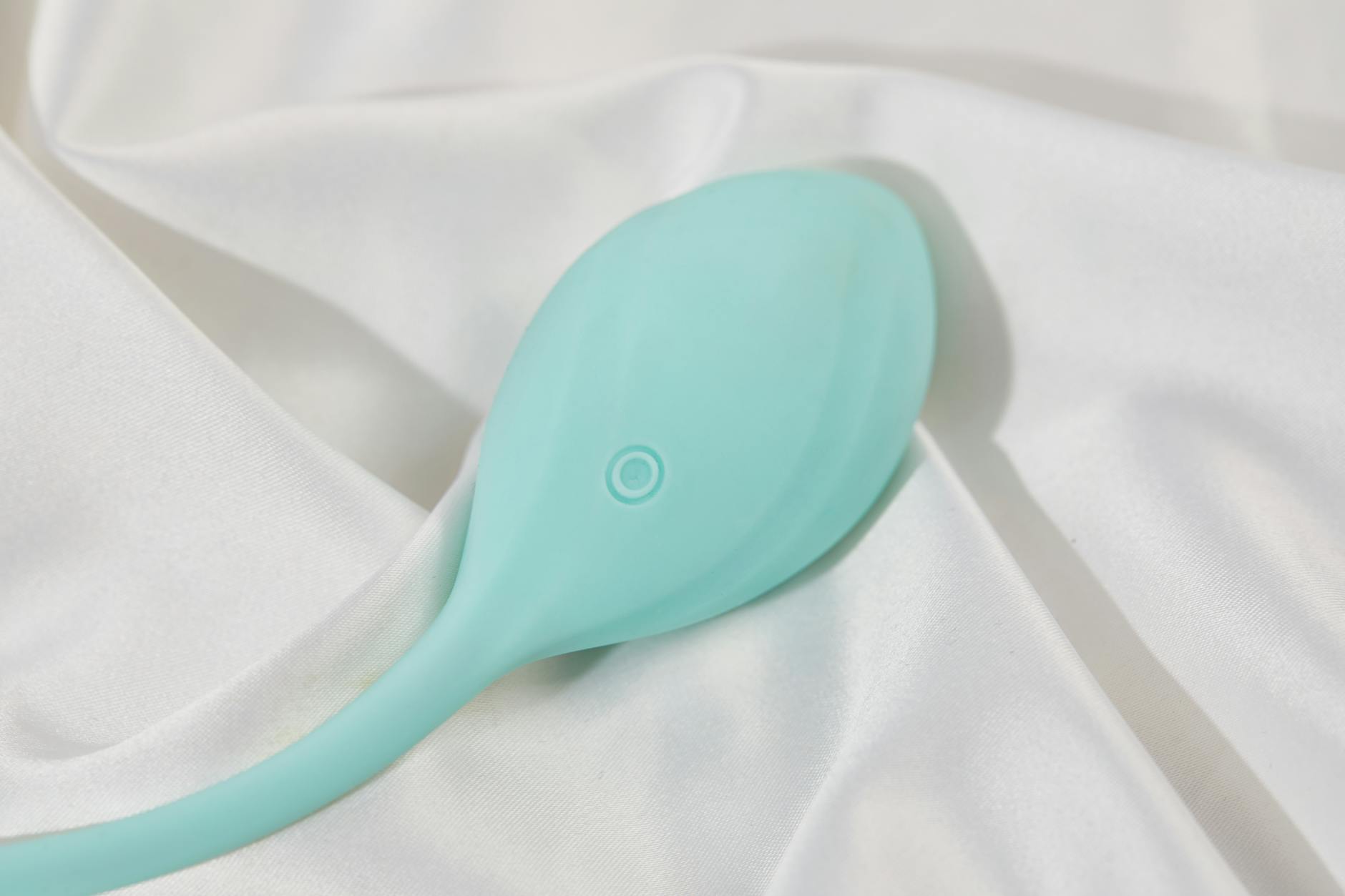
Photo by IFONNX Toys on Pexels
The role of expectation and pressure
Here's something that matters more than most people admit: the pressure to feel sensation can actually flatten it further.
When you're anxious about whether the lemon vibrator will work, whether you'll orgasm, whether something's wrong with you, your nervous system tightens. Blood vessels constrict. Your pelvic floor tensing kicks in. Sensation gets smaller, not bigger.
The most effective approach I've seen is removing the orgasm goal entirely. You're not trying to come. You're gathering information about what you can feel. That mental shift alone changes the outcome.
Integration with partner play
If you're using a lemon clitoral vibrator with a partner, communication matters in a specific way.
Tell them you're rebuilding sensation, not that something's wrong. There's a psychological difference. One feels broken and needs fixing; the other feels like you're both exploring something new. Frame it as discovery, not problem-solving.
Many partners find it helpful to integrate the vibrator into foreplay in a collaborative way. They're not doing something to you; you're doing something together. That shift in positioning changes how the whole experience lands.
FAQ: Restoring clitoral sensation with lemon vibrators
How long does it really take to restore clitoral sensation?
Two to four weeks is typical for most people. That assumes you're using a lemon vibrator consistently 3-4 times per week and you've identified the root cause. If sensitivity loss is from medication or hormonal changes, it can take longer because the underlying driver is still present. If it's from desensitization or nerve recalibration, week two is usually when people report noticeable shifts.
Can I use my lemon vibrator every day if sensation is really dull?
Not ideally. Daily use can create its own habituation cycle, which defeats the purpose. Four to five times per week with 1-2 rest days lets your nervous system reset between sessions. During rest days, your nerves naturally increase their sensitivity baseline. Paradoxically, less frequent use often restores sensation faster.
Does a specific lemon sucker model work better for numbness than others?
Air-suction lemon vibrators generally work better than traditional wand vibrators for restoring sensation because the pulsing pattern engages nerves differently. That said, any quality vibrator using varied rhythms beats a single continuous buzz. If you're starting fresh, the Lem is designed specifically for this kind of nuanced stimulation. If you already have a vibrator, experiment with the pattern options before investing in something new.
What if I feel nothing at all, even on the highest setting?
Zero sensation despite consistent use over 2-3 weeks warrants a medical check-in. That's not a vibrator problem; that's a signal that something else is going on. It could be neurological, hormonal, vascular, or medication-related. A gynecologist or sexual health specialist can run quick tests. Don't assume the vibrator isn't working; get clarity on what's happening with your body.
Is there a difference between clitoral numbness and just having a lower baseline sensitivity?
Yes, and it matters. Numbness is a change from your previous normal. You remember what it felt like before. A naturally lower baseline means you've always been less sensitive, and that's just your baseline. Lemon vibrators can help with both, but your approach is slightly different. With numbness, you're restoring something. With naturally lower sensitivity, you're exploring what works for your body. The techniques overlap, but the expectation is different.
Can stress really cause clitoral numbness, or is that just psychological?
Stress absolutely causes clitoral numbness, and it's not "just" psychological. Chronic stress constricts blood vessels and activates the sympathetic nervous system (fight-flight-freeze), which literally suppresses arousal and sensation. It's physiological. Lemon vibrators help, but so does stress management. Both matter. If you know you're in a high-stress period, don't blame yourself or your body. Recognize it as a temporary state and use tools like vibrators alongside stress reduction.
Should I use lubricant with a lemon vibrator if sensation is dull?
Yes. Lubricant improves sensation by creating consistent contact and reducing friction resistance. It's not about making things "easier"; it's about removing a barrier to optimal stimulation. Water-based lubricant is best because it doesn't degrade silicone toys and it stays consistent longer than natural lubrication alone, which matters when you're focused on sensation rather than arousal.
What comes next
Restoring clitoral sensation isn't a one-time fix you complete and move on. It's more like building a new relationship with your own responsiveness. Once you've rewoken it, maintenance matters. Variety in stimulation, regular exploration, and staying curious about what your body can feel keeps sensation vibrant.
Lemon vibrators are excellent tools for this not because they're a magic solution, but because they're thoughtfully designed to meet your nervous system where it is: needing novelty, rhythm, and gentle persistence.
If you're struggling with dull sensation, start with week one of this protocol. Give it two weeks of consistent use. Most people see meaningful shifts by then. If you don't, reach out to a healthcare provider. Your nervous system is talking; sometimes it just needs translation.
Your pleasure matters, and sensation that feels gone can absolutely come back.