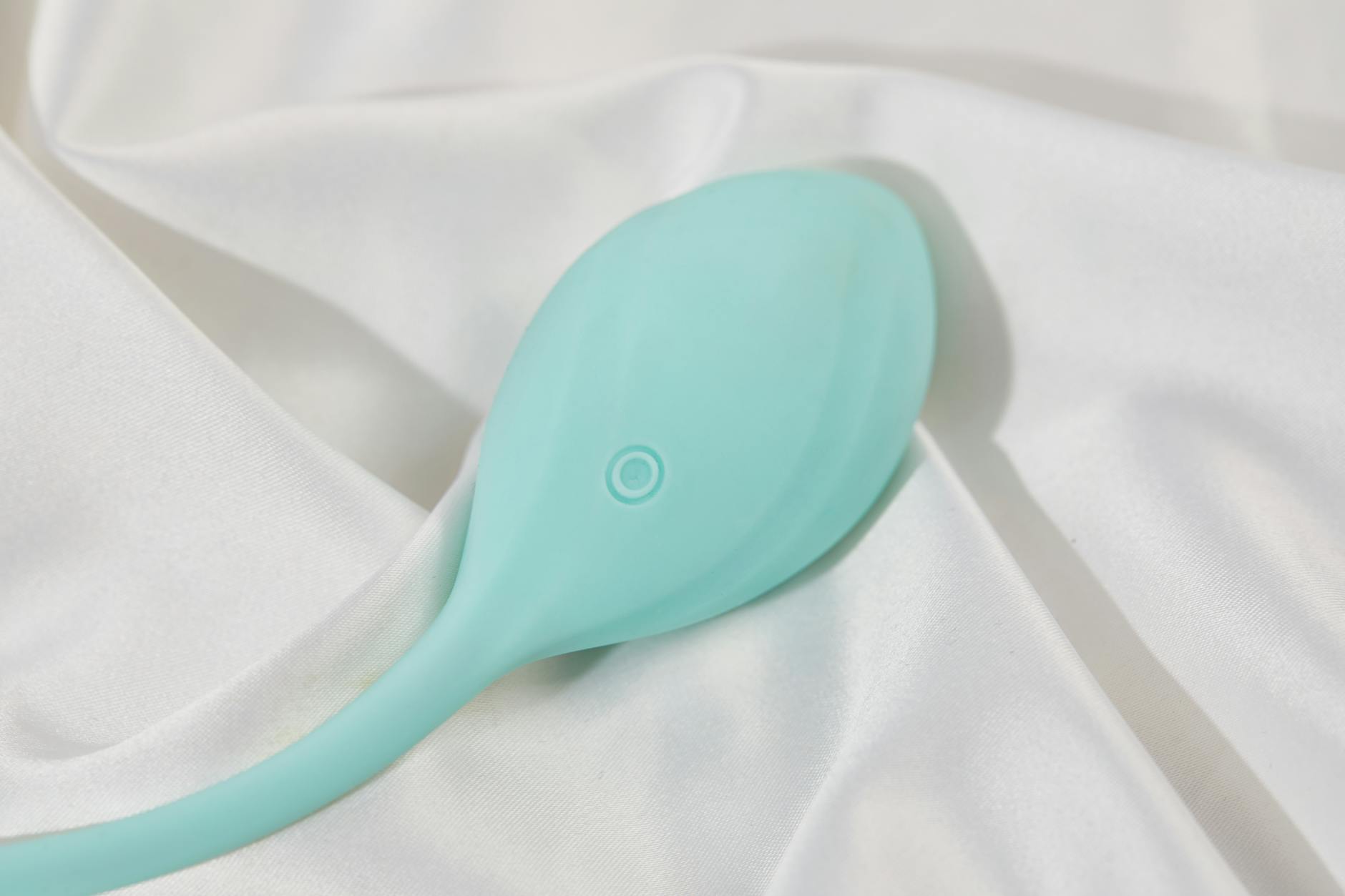
Multiple orgasms are a learned skill, not a magic trick
Honestly, this is one of the most common questions I get. People assume multiple orgasms in one session are either impossible or the exclusive domain of "naturally orgasmic" people. Neither is true. What you're actually asking is whether you can reset your nervous system fast enough to go again without the whole 20-minute refractory period. You can. It takes practice, but the mechanics are teachable.
Here's what changes when you use a lemon clitoral vibrator versus other toys. Suction creates a different neurological response than direct vibration. Your body habituates less quickly to sensation when it's not pure friction. That's actually the physics working in your favor for back-to-back pleasure.
The refractory period is shorter than you think
After orgasm, your body enters what's technically called a refractory period. Blood leaves the genital tissue, sensitivity drops, and your nervous system recalibrates. Most people assume this takes 15-30 minutes. It does. But "sensitivity drops" doesn't mean "nothing happens." It means sensation feels different.
For people with vulvas using clitoral vibrators, the refractory period is genuinely shorter than it is for penetrative orgasms, because the mechanism is different. You're not dealing with muscular fatigue in the same way. Your clitoris doesn't need to "recover" from penetration. It just needs the intensity adjusted.
The trick is this: you don't wait for full sensitivity to return. You work with the new sensitivity profile you have right after orgasm.
The three-minute reset protocol
This is the framework I teach most often, because it actually works across different bodies and different arousal states.
Minute 1: Stay on, lowest setting. Don't remove the toy. Keep a lemon vibrator on your clitoris immediately after you come, but drop the intensity to pattern 1 or 2. This feels weird. It might feel almost numb or overstimulating depending on your body. You're not trying to build arousal yet. You're introducing stimulus at a low enough level that your nervous system doesn't spike. Just hold it there.
Minute 2: Micro-movements. Start tiny shifts. Angle the toy slightly, move it in micro-circles, or pulse the intensity up one notch. Nothing aggressive. You're waking up the tissue again without triggering the protective "I'm too sensitive" response your nervous system will default to. Some people feel pleasure emerging here. Some don't. Both are fine.
Minute 3: Build it again. Increase intensity gradually. Move from pattern 2 to 3, then 4. Find the rhythm that got you there the first time, but maybe build a little slower. You'll often find that the second orgasm arrives faster than the first one did, sometimes within 2-3 minutes of hitting this step.
Total elapsed time: You've gone from first orgasm to second potential orgasm in about 5-7 minutes instead of 30.
Why lemon clitoral vibrators excel at this
A lemon vibrator (or clitoral suction toy) works by creating a seal and using pulsing suction rather than pure vibration. That matters for multiple orgasms because your tissue has a different sensory map for pressure-based stimulus versus vibration-based stimulus. You can often tolerate resuming a suction pattern faster than you can resume the same vibration pattern, because you're using partially different nerve pathways.
It's the same reason why some people can come twice on a lemon sucker but feel overstimulated trying that with a traditional vibrator. The sensation profile is just different enough to reset faster.
Building toward a third or fourth
Once you've had two orgasms, the physics get more interesting. Your tissue is now genuinely aroused in a way it wasn't at the start. Blood is flowing, you're sensitized, and many people report that subsequent orgasms feel more intense even though they come faster.
For a third, you might skip the three-minute protocol and go straight to resuming. Increase intensity immediately after the second orgasm, but start at a lower pattern than you used for orgasm number two. Often people find that by orgasm three, they're cycling through patterns faster. One minute at pattern 3, one minute at pattern 4, then up to 5 or 6.
The limiting factor is usually desensitization, not physiological capacity. If you're chasing a fourth or fifth orgasm in one session, expect the plateau to happen. You'll hit a point where intensity doesn't drive sensation the same way anymore. That's your cue to stop and let your nervous system reset for real.
Mental focus matters more than technique
I'd argue this is 60% psychology and 40% mechanics. People often lose a second orgasm not because their body can't, but because they're thinking "wait, am I actually going to come again?" or "this doesn't feel the same, so something is wrong." It's not wrong. It just feels different.
The most reliable thing you can do is stay present. Notice the different sensation, even if it feels weird or muted. Narrate it to yourself: "This is post-orgasm sensitivity. It's not broken. Let me see what happens if I stay with it." The nervous system responds to attention. The moment you mentally check out, your body follows.
If you're with a partner, this is worth saying out loud. "I'm going to try again, but it might feel different for a moment." Naming the experience removes the weirdness.
Lube strategy for extended sessions
If you're planning to go multiple rounds, water-based lube becomes even more important. Suction toys create excellent seal and sensation, but repeated use in one session can dry you out faster than you'd expect. A small amount of lube between orgasm one and two keeps the sensation consistent and prevents the toy from sticking or pulling uncomfortably.
Don't wait until something feels uncomfortable to apply it. Prevention is easier than recovery. A pea-sized amount is usually enough. Reapply if you're going for a third.
Arousal level and session length
You can't reliably trigger multiple orgasms from a place of low baseline arousal. This matters. If you're starting a session already mentally distracted or not particularly in the mood, you might get one great orgasm and then hit a wall on the second attempt. That's not a failure. It's physiology telling you that you weren't actually in the headspace for extended play.
The best multiple-orgasm sessions usually start with 10-15 minutes of foreplay or mental priming before you even pick up the toy. That could be fantasy, partner stimulation, time alone with your thoughts, or just lying in bed noticing what's turning you on. The more aroused you are at baseline, the faster subsequent orgasms arrive.
FAQ
Can you have multiple orgasms with any clitoral vibrator, or just lemon-style toys?
You can have multiple orgasms with any toy, but the mechanics differ. Lemon clitoral vibrators are excellent for this specifically because suction-based stimulation fatigues the nervous system differently than direct vibration. You often get a faster reset. That said, if you've had great results with wand vibrators or other devices, the three-minute protocol still applies. You might just need a longer reset window.
Is it normal for the second orgasm to feel different than the first?
Completely normal. The second orgasm often feels more subtle, shorter, or focused in a different part of the clitoris. Some people describe the first as full-body and the second as more localized. Both are legitimate orgasms. Your nervous system is just in a different state. Expect variation and you'll worry less.
How many orgasms is too many in one session?
There's no medical "too many," but there is a practical point of diminishing returns. Once intensity stops producing sensation the way it did earlier, you've hit your limit for that session. Some people are happy with two. Some people can reliably access five or six. There's no normal. Stop when the pleasure stops escalating.
Do lemon vibrators cause desensitization if you use them for multiple orgasms regularly?
Not from the toy itself. Desensitization happens from habituation to the pattern, not from the device. If you're using the same intensity and rhythm every time, your nervous system learns to tune it out. Mix up your patterns, take breaks between sessions, and rotate in other types of stimulation. Variety prevents the plateau.
What if I can't get a second orgasm, even with the reset protocol?
That's fine. Multiple orgasms aren't a requirement for good sex. Some people's nervous systems just aren't wired for back-to-back cycles, and that's genuinely okay. If you're interested in experimenting, focus on arousal quality over orgasm quantity. Spend longer in the 10-15 minute foreplay window. Sometimes the second one arrives when you stop trying so hard.
Can you build the ability to have multiple orgasms, or is it something you either do or don't?
You can absolutely build it. Most people who have consistent multiple orgasms started by having just one, then experimented with the reset. It took practice. Use a lemon vibrator or whichever toy works for you, follow the three-minute protocol consistently across a few sessions, and most people find it clicks. Your body learns the pattern.
The real work is showing up
Multiple orgasms aren't magic. They're the result of understanding how your nervous system resets, respecting that the sensation will feel different on round two, and having tools that actually support fast recovery. A lemon clitoral vibrator does that better than most because of how suction works. But the real skill is paying attention to your own body and adjusting as you go.
Start with one orgasm. Get comfortable with that. Then pick a session where you're well-rested and genuinely interested in experimenting. Follow the three-minute reset. Notice what happens. Most people discover that a second orgasm is absolutely possible the first time they try it this way. Whether you do it once or five times, the point is pleasure. Everything else is just logistics.
If you want to go deeper into technique and timing for your specific body, reach out. That's exactly the kind of conversation I love having.