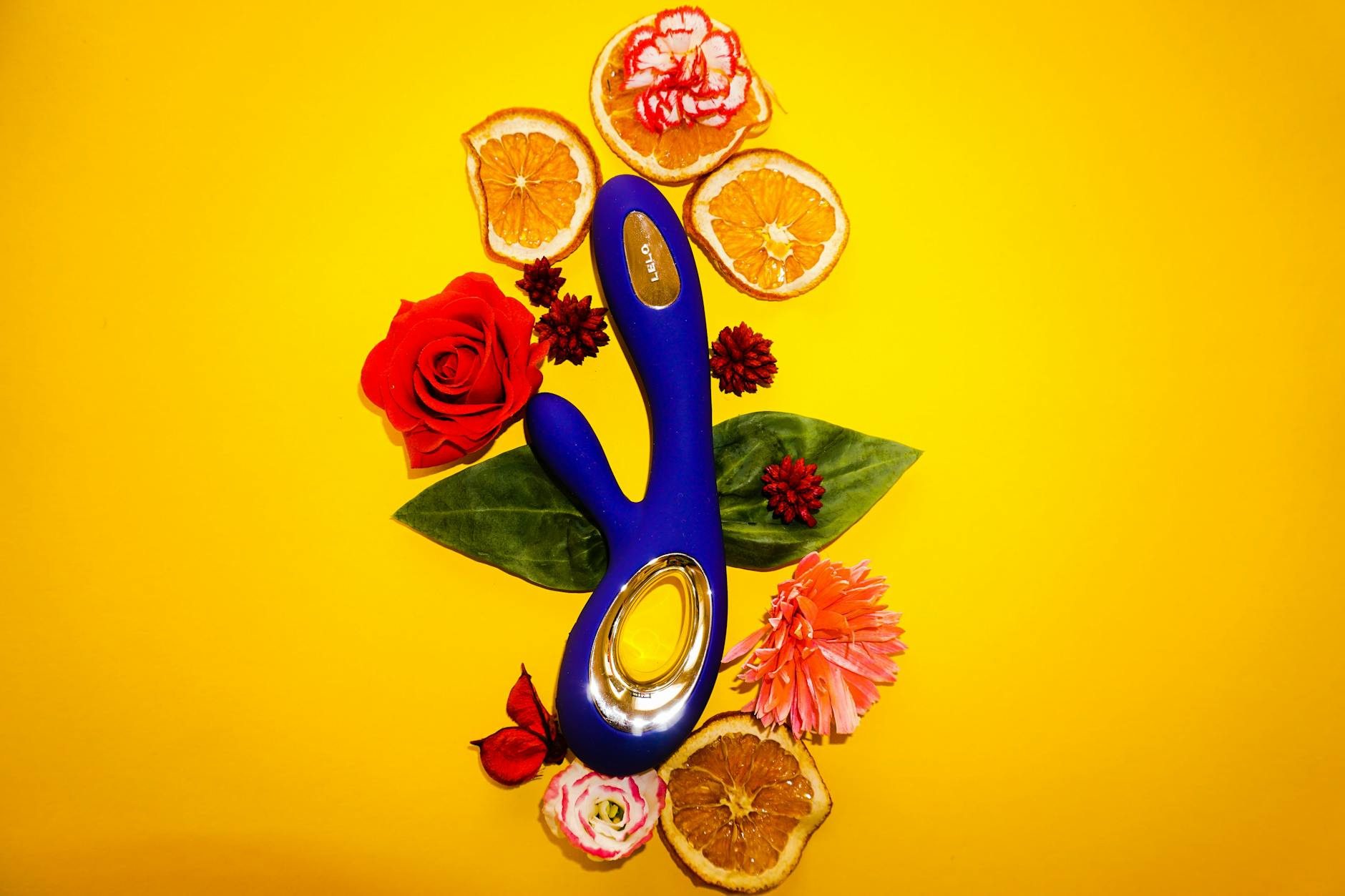
How to Use Lemon Vibrators to Regain Sensation After Hormonal Changes
Hormonal shifts change everything about how your body responds to touch. Not permanently. But right now, in this moment, sensation feels muted. Things that used to light you up feel like static. And the first instinct is to assume you're broken.
You're not. Your nervous system just needs a reminder.
Lemon clitoral vibrators work differently than traditional vibrators because they don't rely on friction or direct pressure to stimulate. They use gentle suction and pulsation patterns that activate nerve endings even when hormonal changes have made tissue thinner or less responsive. This is especially valuable when you're navigating perimenopause, postpartum recovery, medication side effects, or other hormonal transitions that have quieted sensation.
Here's what actually happens, and how to use lemon sexual toys strategically to rebuild your responsiveness.
Why hormonal changes dull sensation in the first place
Let's get the biology out of the way because it matters. Estrogen and progesterone don't just control your cycle. They regulate blood flow to your clitoris, the thickness of vaginal tissue, how quickly arousal builds, and how sensitive nerve endings are. When those hormones drop (during perimenopause, postpartum, or from certain medications), everything slows down.
Your clitoris contains around 8,000 nerve endings. Those nerves don't disappear when estrogen drops. But the blood flow supporting them does decrease, which means they're less activated by standard stimulation. Light touch feels like nothing. Vibration that used to send you over the edge feels dull.
The second layer: your brain. Anxiety about whether sensation will come back creates a feedback loop that actually makes it harder to feel pleasure. You're mentally braced for disappointment, which means your nervous system can't fully relax into sensation.
Lemon vibrators address both layers at once. The suction mechanism creates a novel pattern of stimulation that your nerve endings recognize as different. Your brain perks up. And the design means you're not forcing your body through friction it's not ready for.
How air-suction lemon vibrators bypass reduced sensitivity
Traditional vibrators rely on direct oscillation. They buzz against tissue. When your tissue is thinner from hormonal changes, or when sensation is already muted, that buzz can feel abstract. It registers as vibration but not pleasure.
Lemon clitoral vibrators work through gentle suction and pulsing air patterns. This engages your clitoris differently. Instead of pressure, you're getting a rhythmic drawing sensation that activates deeper nerve clusters. It feels less like being stimulated and more like being touched.
For people recovering sensation after hormonal shifts, this is the difference between trying to hear a whisper in a noisy room and having someone speak directly to you. The signal reaches through.
This is also why lemon adult toys are often recommended during medication transitions. If you're starting an antidepressant or hormonal birth control that flattens sensation, the suction mechanism tends to work where traditional vibration doesn't.
The step-by-step guide to rebuilding sensation
Week 1: Orientation without pressure.
Don't jump to intensity. Use your lemon vibrator on the lowest setting during solo exploration, no goal in mind. Twenty minutes, low stakes. You're teaching your nervous system that this is safe. Your clitoris is learning the new sensation pattern. That's it.
Week 2: Map your responsive zones.
You might find that light suction on the clitoral hood feels better than direct pressure on the head. Or the side of your clitoris lights up differently now. Spend this week noticing. What pattern, at what speed, on what part of your body triggers that first spark of responsiveness. Take notes if that helps.
Week 3: Add time, not pressure.
Once you've found a sweet spot, extend the session. Thirty minutes. Forty. Build arousal slowly. Your clitoris was designed to accumulate stimulation over time. Hormonal changes don't remove that capacity. They just require patience.
Week 4: Introduce partnered exploration.
If you have a partner, bring them in. Let them watch you use your lemon clitoral vibrator and notice what works. This reframes the experience from "I'm broken" to "here's what my body wants right now."
This four-week arc isn't arbitrary. Neuroplasticity takes time. Your nervous system is rewiring its response pathways. By week four, most people report a noticeable shift in how quickly arousal builds and how intensely they can feel sensation.
Practical tips that actually work
Lubrication is non-negotiable. Hormonal changes reduce natural lubrication. Water-based lube isn't optional. It's foundational. It reduces friction, increases comfort, and actually helps the suction mechanism feel better.
Warmth matters more than you'd think. A warm shower beforehand increases blood flow to your clitoris. So does exercise, time in the sun, or even just wrapping yourself in a heating pad for fifteen minutes before solo time. You're trying to maximize blood flow to reactivate sensation.
Pelvic floor tension blocks feeling. If you're anxious about whether sensation will return, your pelvic floor tightens reflexively. This actually makes you less able to feel. Spend five minutes before using your lemon vibrator on deep breathing and pelvic floor relaxation. Breathe in for four, out for six. Let your pelvic floor soften with each exhale.
Pattern matters more than power. The lem vibrator and similar lemon sexual toys come with multiple patterns. High intensity doesn't mean more sensation if your nervous system isn't ready for it. Pattern 1, pattern 2, pattern 3. Experiment. Often a mid-range pattern with pulsing variation triggers response better than raw power.
Consistency builds momentum. This isn't about willpower. It's about creating a feedback loop. Using your lemon clitoral vibrator twice a week for six weeks does more than using it once intensely. You're teaching your nervous system that pleasure is available again.
What's actually changing as sensation returns
You're not imagining that something shifted. Something did. Here's what's happening neurologically as you rebuild sensation with tools designed specifically for this:
- You're increasing blood flow to your clitoris through regular stimulation.
- You're rewiring your nervous system to recognize the new stimulation pattern as pleasurable.
- You're reducing performance anxiety because you're seeing real results.
- You're rebuilding the connection between physical sensation and mental anticipation.
Most people notice changes by week three or four. Arousal builds faster. Sensation feels sharper. Orgasms, if they return, feel more available. Some people report that orgasms actually feel more intense post-hormonal shift because they're now paying this much attention to their body.
When to check in with a healthcare provider
If sensation isn't improving after six weeks of consistent use, or if you're experiencing pain alongside the numbness, talk to your doctor. Hormonal changes sometimes warrant treatment. Topical estrogen cream, for example, rebuilds vaginal tissue thickness and can make all the difference.
If you're on medication that's causing sensation loss, your prescriber might adjust your dose or switch you to an alternative. This is worth asking about. Your pleasure matters.
Similarly, if anxiety is the primary barrier (rather than purely physical hormonal change), working with a therapist to address the emotional layer makes the physical layer easier to navigate.
The long-game perspective
Here's what I've learned working with people navigating hormonal transitions: sensation always comes back. The timeline varies. Sometimes it's weeks. Sometimes months. But the nervous system is resilient. Your clitoris didn't forget how to feel pleasure. It just needs the right signal.
Lemon vibrators, with their unique air-suction mechanism, often provide that signal when standard vibrators don't. They're designed for this exact moment. You're using the right tool for a specific problem.
Your pleasure is worth this investment of time and attention. It's not frivolous. It's resilience.
People also ask
How long does it take for sensation to come back after hormonal changes?
There's no universal timeline, but most people notice improvement within four to eight weeks of consistent stimulation. Some see changes in two to three weeks. Factors include which hormones shifted, whether you're on medication to manage those shifts, and how much stress you're under. Patience matters here. Your nervous system moves on its own timeline.
Can lemon vibrators help if I'm still breastfeeding or have just had a baby?
Yes, though the timeline is different. Postpartum sensation loss is usually temporary and related to hormonal shifts plus exhaustion plus touched-out feelings. Lemon clitoral vibrators can help as you're recovering sensation, typically once you're cleared by your healthcare provider (usually around six weeks postpartum). Start gently and without pressure. Your pelvic floor is still healing. The goal isn't intensity. It's reconnection.
What if I'm using hormonal birth control and it's dulled my sensation?
This is incredibly common and often fixable. Some people find that switching to a lower-dose pill, or to a non-hormonal method like an IUD or barrier method, restores sensation immediately. Others find they adapt after three to four months. Using lemon sexual toys during this transition can help bridge the gap while your body adjusts. If sensation hasn't improved after four months, it's worth discussing with your gynecologist.
Is it normal for sensation to feel different, not just less intense?
Completely normal. Hormonal changes don't always dull sensation uniformly. Sometimes the clitoral head feels less responsive, but the clitoral hood becomes more sensitive. Sometimes orgasms feel different in shape or intensity. Your body isn't broken. It's just reorganizing. A lemon vibrator lets you explore where sensation has moved.
Can my partner help me regain sensation, or should I do this solo first?
Both work. Solo exploration first gives you a map of what currently feels good without the performance pressure of a partner watching. But partner involvement can actually accelerate the process because it adds emotional intimacy and reduces the anxiety spiral that dulls sensation further. My recommendation: explore solo for two to three weeks, then bring your partner in if you have one. You'll know more about what works by then.
What if I'm also managing anxiety or depression during this transition?
This is the reality for a lot of people. Hormonal changes don't happen in isolation. They often come with mood shifts or life stress. The nervous system can only feel pleasure when it feels safe. If you're anxious or depressed, your brain prioritizes survival over sensation. This is why working with a therapist alongside physical exploration often works better than either alone. You're addressing both the physical and mental barriers to pleasure.
Sources and further reading
Evidence on hormonal changes and clitoral sensitivity comes from research in the journals Archives of Sexual Behavior and The Journal of Sexual Medicine. Studies on air-suction stimulation mechanisms show improved sensation activation compared to traditional vibration, particularly for people with reduced baseline responsiveness. If you're curious about the neurology of pleasure during hormonal transition, the work of Emily Nagoski and the research center at Indiana University's Kinsey Institute provides accessible, rigorous context.
The framework here comes from clinical approaches to sexual health during life transitions, informed by sex therapists and gynecologists who specialize in perimenopause, postpartum recovery, and medication-related sensation changes.
If you're navigating this transition and want personalized support, reach out. We're here to help you rebuild connection with your body and your pleasure. Contact us to talk through what's happening for you.