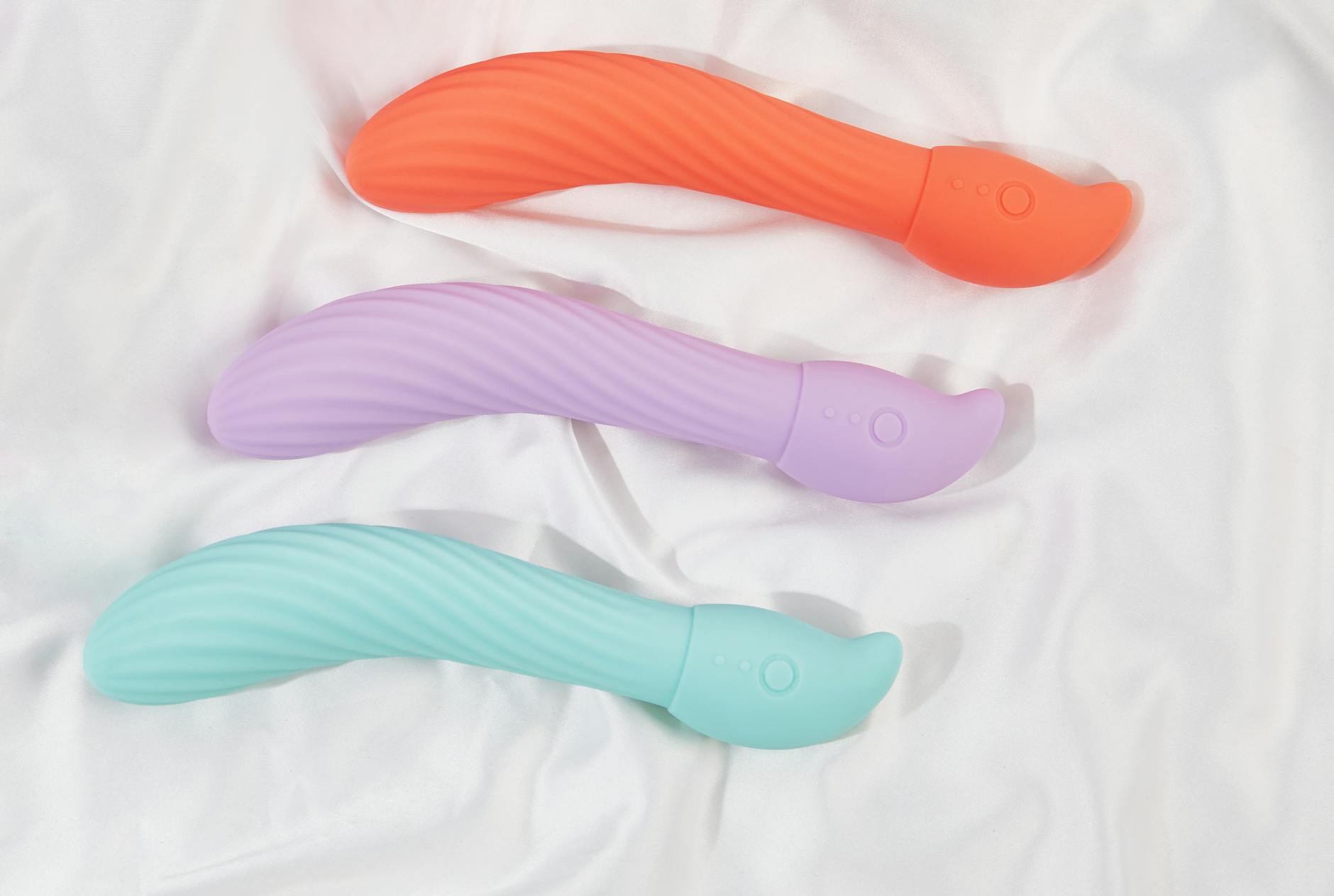
Let's name the thing that's actually happening here
You've been away from sexual pleasure for a while. Maybe it was months. Maybe longer. Life happened. Illness, grief, a relationship ending, burnout, just not being in the headspace. Whatever the reason, you're thinking about coming back to it, and you're not quite sure how.
Using a lemon vibrator after a break isn't complicated, but it does require patience and permission. Your body hasn't forgotten how to feel pleasure. But your nervous system might be a little rusty, and your mind might have some noise around the whole thing. That's normal. It's also fixable.
What happens to your body after sexual inactivity
Your pelvic floor doesn't atrophy in the way muscles do. You don't lose the ability to orgasm or experience sensation. But there are some real physical shifts that matter.
When you're not regularly sexually active, the pelvic floor can tighten. Blood flow to genital tissue decreases over time. Your body's arousal response slows down, not permanently, but noticeably. Lubrication takes longer. The tissues around your clit might feel more sensitive initially, almost tender. Some people report feeling almost numb at first. Both of these are temporary.
Psychologically, there's often anxiety layered on top. Am I still capable of this? Will it feel good? Will I remember how? These questions make the nervous system tense, which compounds the physical tightness. So the first rule is understanding that you're dealing with two systems that are communicating with each other. One isn't purely physical. One isn't purely mental.
Start with curiosity, not performance
Honestly, this is the most important line in this entire piece. If you approach using a lemon clitoral vibrator as something you need to be good at, you've already created friction.
Instead, position this as exploration. You're getting reacquainted with your own body. That's lower stakes. That's actually true. You're not trying to reach a destination. You're not proving anything. You're just finding out what feels good right now.
This reframing does real work. Your parasympathetic nervous system (the one that allows pleasure and arousal) is way more likely to activate when you're curious and playful than when you're anxious or goal-focused.
The pacing protocol that actually works
Here's the structure I recommend to almost everyone coming back after a break.
Week one: Just the device, no pressure. Spend 5-10 minutes getting familiar with the lemon vibrator. Hold it. Feel the weight. Turn it on and off. Run it across different parts of your body. Not just your clit. Your inner thighs, your labia, your lower belly. This isn't foreplay yet. It's just tactile reintroduction. Your nervous system needs to recognize this object as safe.
Week two: Add touch and warmth. Now you're touching yourself while holding the vibrator nearby. Explore what feels good. This is when you start discovering what patterns make you curious. Maybe it's gentle circles. Maybe it's consistent pressure. Don't turn on the vibrator yet unless you want to.
Week three: Light stimulation. Turn the lemon vibrator on, but use the lowest setting. You're looking for sensation, not intensity. Many people are shocked at how much sensation they feel even on setting one. Your tissues are more sensitive than they were, and that's not a problem. It's data. Some people find that they need to use it on their outer labia or mons pubis first, not directly on the clit.
Week four and beyond: Building your rhythm. Once you know what feels good, you can increase intensity or duration. But you're doing this on your timeline, not on a script.
The role of lubrication (it's not optional)
Even if your body produces natural lubrication, use lube anyway. Water-based works beautifully with lemon vibrators and all silicone toys. It reduces friction, increases sensation, and makes everything feel less urgent or clinical.
Lube is not a sign that something is wrong. It's a sign that you're being thoughtful. It's also a physical reminder to yourself that you're prioritizing your own comfort.
Managing mental resistance (it's real)
After a break, your brain sometimes creates narratives. I'm broken now. I won't be able to orgasm. This will feel weird. My partner will judge me. I'm too old for this. I've changed. None of these are facts. They're noise.
The best way to move through these is to name them and then move anyway. Literally say it out loud or write it down. "I'm worried this won't feel good." Okay. Now you know you're worried. You can still try anyway. The worry doesn't have to run the show.
If you're working with a partner, this is worth saying out loud to them too. "I'm feeling a bit nervous about this, so I might need you to be patient." Partners who care about you will almost always respond to that kind of honesty with more tenderness, not less.
Rhythm and realistic timelines
Some people come back to pleasure and orgasm in a few weeks. Some people take three months or longer. There's no right timeline. The people who get frustrated are usually the ones who are comparing their timeline to someone else's or to their own past experience.
Your body then is not your body now. That's not a tragedy. It's just a fact. And adaptation is actually faster when you stop fighting it.
If you're using a lemon vibrator like the Lem, you have a tool that's specifically designed around clitoral sensation. The suction action works differently than traditional vibration. It draws blood to the tissue, which naturally increases sensitivity over time. This is actually helpful when you're reintroducing yourself to pleasure. You get more sensation with less direct friction.
What if numbness persists
After week three, if you're still feeling completely numb, check in with yourself. Sometimes numbness is emotional, not physical. You might need to work through some of the mental stuff first. A therapist or sex coach can help with this.
Other times, numbness is medication-related. Certain antidepressants, for example, dampen sensation. That doesn't mean you can't experience pleasure again. It might just mean you need a different approach or a conversation with your doctor about timing or dosage.
If you have vulvodynia or other chronic pelvic pain conditions, your timeline will be different. Start even slower. Consider working with a pelvic floor therapist. You're still not broken. You just need a more tailored approach.
Solo exploration before partnered activity
I always recommend spending at least two to four weeks getting to know your body again before bringing a partner into the picture. This isn't because partnered activity is dangerous. It's because you need to rebuild your own internal compass first. When you know what feels good to you, you can actually communicate that. You can ask for what you want. That's when partnered activity becomes richer, not scarier.
And if your partner isn't into toys, that's a separate conversation worth having. You might find that introducing a lemon vibrator to partnered activity actually enhances the experience for both of you in ways that neither of you expected.
The mental shift that changes everything
Your pleasure isn't a skill you lost. It's not something you're trying to earn back. It's something that lives in your body, dormant but intact. Using a lemon clitoral vibrator after a break isn't about rehabilitation. It's about remembering.
Take your time. Be kind to yourself. Trust that your body knows how to feel good. It does.
People also ask
How long does it take to feel sensation again after a break from sexual activity?
Most people report feeling noticeably different sensations within two to three weeks of regular exploration. However, every body is different. Some people feel sensation shift within days. Others take four to six weeks. The key is consistency, not intensity. A few minutes of gentle exploration several times a week produces better results than one intense session.
Is it normal to feel pain or discomfort when using a lemon vibrator after a long break?
Mild discomfort or tenderness can be normal as tissues readjust. But sharp pain is not. If you're experiencing pain, slow down significantly. You might be tensing your pelvic floor. Try using the vibrator on the lowest setting on your outer labia or mons pubis first. If pain persists beyond a week or two of gentle use, see a pelvic health specialist or gynecologist to rule out conditions like vaginismus or vulvodynia.
Can I use a lemon vibrator if I'm on antidepressants or birth control?
Yes. Antidepressants and hormonal birth control can affect sensation and arousal, but they don't prevent you from using a lemon vibrator. You might need to adjust your approach. Longer warm-up time, more direct stimulation, or starting with a more powerful vibrator might help. For specific concerns about how your medications affect sexuality, talk to your doctor. There's also a helpful guide on lemon vibrators and medications that goes deeper.
Should I use a lemon vibrator alone first, or can I try it with my partner right away?
Going solo first is almost always the better choice. When you've explored on your own, you know what feels good and you can communicate that clearly. You're also not managing both your own nervous system and your partner's. That's a lot at once when you're already coming back from a break. Spend two to four weeks exploring alone, then bring your partner in if that feels right.
What if I feel nothing at all, even after weeks of trying?
Complete numbness that doesn't shift after three to four weeks is worth investigating. It could be medication-related, hormonal, emotional, or related to a pelvic health condition. Some people benefit from working with a pelvic floor therapist or sex coach before diving into vibrators. Also consider whether there's psychological resistance you haven't fully acknowledged. Therapy can help sort this out.
Is there a difference between clitoral vibrators and other toys when you're coming back from a break?
Clitoral vibrators like the lemon suckers tend to work well for this scenario because they're designed for external stimulation and don't require penetration. You have full control over intensity and placement. If you have vaginismus or pelvic floor tension, this matters even more. Start with tools that don't demand anything from your pelvic floor while it's relearning how to relax.