Let's start with what you're actually feeling
Sensation doesn't come back all at once. It arrives in waves, in patches, sometimes stronger on one side than the other. One day your clitoris feels like it's wrapped in cotton. The next day you notice a tingle. By next week, you're not sure if pleasure is actually returning or if you're just hoping it is.
This is normal. This is also the exact moment when most people either try too hard (vibration on high, all the intensity immediately) or give up entirely ("if it doesn't work right away, it's broken forever"). Neither works. What works is patience, intention, and a tool that can meet you exactly where your sensation actually is, not where you think it should be.
Why sensation goes numb in the first place
There are a few main culprits. Surgery involving the pelvic area, including gynecological procedures, can temporarily or persistently affect the nerves that carry sensation to the clitoris. Spinal issues, trauma, or prolonged pressure on nerve pathways can do the same. Some medications numb sensation as a side effect. And sometimes, after years or decades of numbness from other causes (hormonal, psychological, physical), the body needs time to remember how to feel.
The good news: nerves heal. They heal slowly, sometimes unevenly, but they heal. Your clitoris hasn't lost its capacity for pleasure. It's just rediscovering it.
The reintroduction window (and why you can't rush it)
When sensation starts returning, the temptation is to test it aggressively. "Let's see if everything still works." That usually backfires. Overstimulating a nerve that's just beginning to wake up can cause irritation, oversensitivity, or shutdown. You want to coax sensation back, not shock it into submission.
Start with your hand. Seriously. Spend 2-3 weeks touching yourself without any tool, without any expectation of arousal or orgasm. The goal is observation. Where is sensation strongest? What kind of touch feels good versus numb? Are there edges where feeling suddenly stops? Map your own geography.
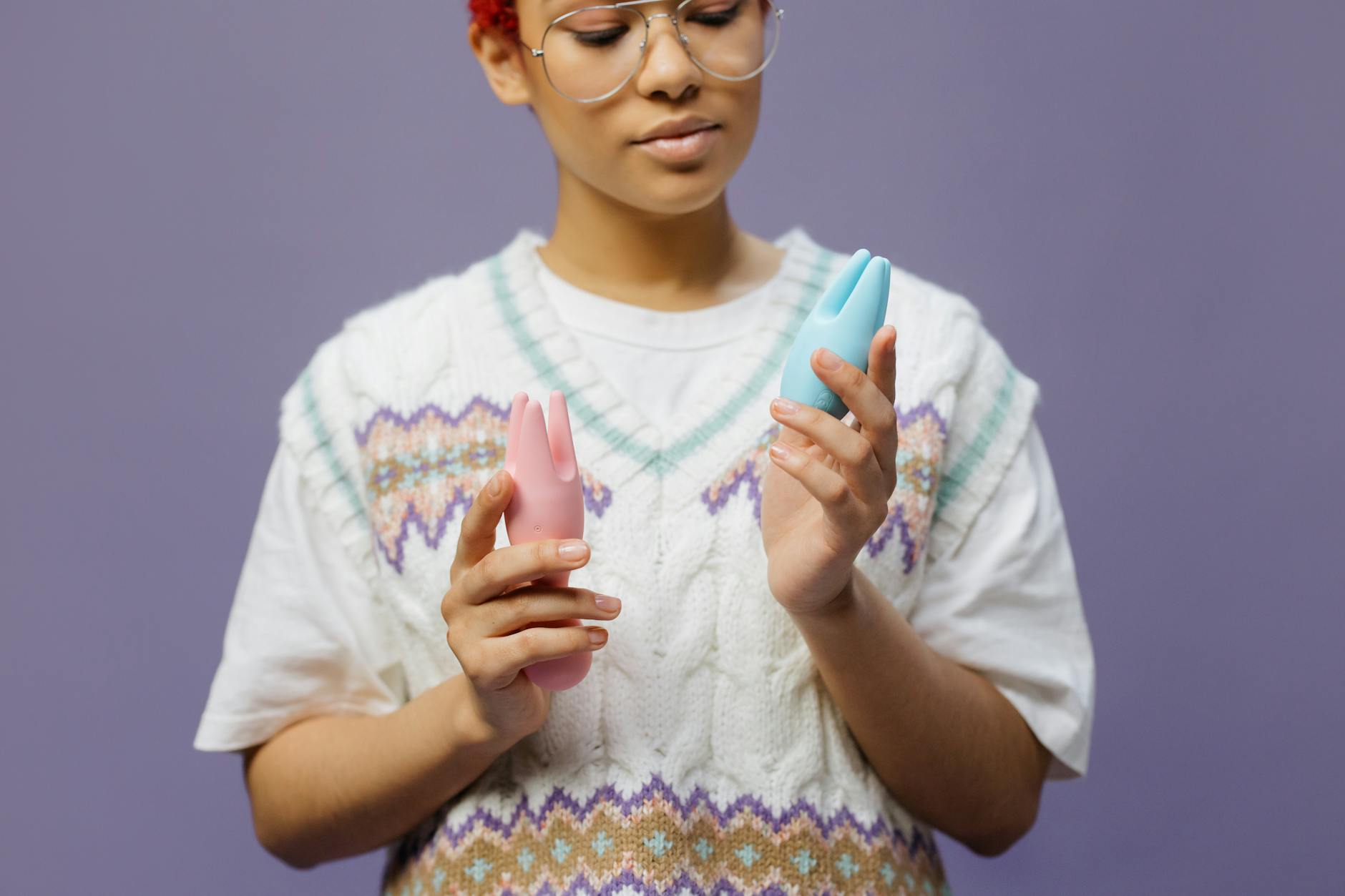
After a few weeks of hand exploration, introduce a lemon clitoral vibrator on its lowest setting. Air-suction devices like The Lem work particularly well here because they don't require direct mechanical stimulation on potentially fragile or oversensitive tissue. The suction mechanism stimulates a larger nerve bundle at once, which can feel more natural than focused vibration as sensation is returning.
How to actually use a lemon vibrator during recovery
Three principles:
Start impossibly low. Pattern 1 on The Lem, or the equivalent lowest setting on any clitoral vibrator. You might think it's too gentle. That's the point. Gentle is the entire goal right now. If you find yourself bored or impatient, that's your brain talking, not your body. Wait anyway.
Use it as exploration, not performance. You're not trying to orgasm. You're gathering data. Where does the suction feel good? Where does it feel numb? Are there spots where sensation is starting to emerge? Does the feeling change after 30 seconds, 2 minutes, 5 minutes? Write it down if you want. You're building a map of your own recovery.
Stop before you're frustrated. If you've been at it for 10 minutes and nothing is happening, stop. Try again tomorrow. Pushing through frustration trains your body to associate lemon vibrators (and pleasure generally) with effort. That's the opposite of what you want.
What returning sensation actually feels like
Honestly? It's often weirder than you'd expect. Some people describe it as electric, or tingly, or itchy at first. Some say it feels like "pins and needles" similar to when your foot falls asleep and blood flow returns. Some notice that orgasms feel different in shape or location than they did before. All of that is normal and temporary.
As weeks pass, the sensation stabilizes. The tingle becomes a hum. The hum becomes recognizable pleasure. By month two or three, most people report that sensation has normalized substantially. It might not feel identical to how it was before the injury or surgery, but it feels like itself again.
The emotional part (which is bigger than you'd think)
Here's what nobody warns you about: coming back from numbness is emotionally loaded. You might feel grief about the time you lost. You might feel angry that your body betrayed you. You might feel relief so intense it makes you cry. You might feel all three things simultaneously, sometimes within the same session.
That's real. Give yourself permission to feel it. And if you're in a partnered situation, be honest about what you're experiencing. "I need to do this alone for a while" is a complete sentence. "I'm not numb, I'm processing" is also a complete sentence. Your partner doesn't have to understand the exact feeling to respect the boundary.
When to check in with a professional
If sensation isn't beginning to return after three months of consistent, gentle exploration, talk to your doctor. There's no shame in asking for help. Some cases benefit from specialized physical therapy focused on pelvic nerve recovery. Some respond to topical treatments. Some people need time and nothing else. A professional can help you figure out which category you're in.
If you're experiencing new pain, burning, or significant oversensitivity that doesn't improve with reduced stimulation, that's also a conversation worth having with a healthcare provider.
The reframing
Your body isn't broken. It's rebooting. And the fact that sensation is returning at all means you're already winning. Some people don't get that. You are. Take the time. Use a tool that respects your current state, like a lemon vibrator on a lower setting. If you're exploring this for the first time, our buying guide can help you choose the right vibrator for your needs. And trust that pleasure is on the other side of patience.
People also ask
How long does it typically take for sensation to return after a gynecological procedure?
Most people notice some returning sensation within 4-8 weeks. By three to six months, most significant recovery has happened. That said, everyone's timeline is different. Some people regain feeling in a few weeks. Others take a full year. The key is not to use lack of immediate progress as evidence that nothing will change. Nerve recovery is slow by design.
Can using a vibrator too early damage returning sensation?
Not permanently, but it can cause temporary irritation or oversensitivity. That's why starting on the lowest setting and limiting sessions to 10 minutes is important. You're not "ruining" recovery by using a lemon vibrator too early. You might just be making it less comfortable in the short term. If you notice increased pain or numbness after vibration, dial it back further and wait longer between sessions.
Is it normal for sensation to come back unevenly on the left and right sides?
Completely normal. Nerve recovery rarely happens symmetrically. One side might regain feeling while the other is still quiet. This usually evens out over time. If the asymmetry persists after six months, it's worth asking a physical therapist about. But in the first few months, expect patchiness.
Should I be using lube during recovery even if sensation is returning?
Yes, especially if the numbness was related to hormonal changes, surgery, or conditions that affect lubrication. Water-based lube reduces friction and irritation, which means less compound stress on tissue that's already healing. It also makes the whole experience more comfortable, which matters. Pleasure matters, even during recovery.
What if my partner wants to be involved in this process?
You can invite them in selectively. Many people find that having their partner present for some sessions (without touching, just being there) feels supportive. Others need solo space first. Both are fine. If you do include a partner, be clear about what you need: "I need you to just be present," or "I want to use the vibrator alone, but I'd like you nearby afterward." Clarity prevents assumptions.
Can I use a clitoral vibrator if I still have areas of complete numbness?
Yes, as long as you're gentle and attentive. Some people use vibrators on the areas with returning sensation while the numb areas rest. Over time, the vibrator can sometimes help "wake up" dormant nerve pathways by providing consistent, gentle stimulation nearby. Just don't use it directly on completely numb tissue and expect sensation immediately. That's like shouting at someone who's asleep. The stimulation isn't registering.
Final thought
Recovery is its own kind of intimacy. With yourself, with your body, with time. Lemon vibrators are just a tool in that larger conversation. Use them as part of a bigger practice of patience, curiosity, and trust that your body knows how to heal.