The body doesn't forget. It stops answering.
Let's be real. Numbness isn't the opposite of sensation. It's what happens when your nervous system decides it's safer to turn down the volume than to keep feeling everything. Years of stress, disconnection, grief, or just the slow erosion of a relationship can flip that switch. One day you notice: your partner touches you and you don't feel it. Pleasure used to be there, and now it's like you're watching someone else's body respond. Or not respond.
This isn't a dead battery. Your clitoris still works. Your nerves still fire. What's offline is the circuit between your brain and your body. Rewiring that connection isn't magic. But it is possible. And lemon clitoral vibrators are one of the most reliable tools I've seen for pulling that wire back online.
Why emotional numbness creates physical numbness
Your nervous system doesn't distinguish between emotional and physical threat. Years of unresolved conflict, infidelity, caregiving burnout, or even just the slow death of a conversation in a long relationship can keep your body in a low-level protection state. When you're protecting yourself emotionally, your nervous system dampens everything. Touch feels muted. Pleasure feels distant. Orgasm feels impossible.
The neuroscience is straightforward. Arousal requires your parasympathetic nervous system to take the wheel. But if you've spent five years or twenty feeling unsafe or unseen, your sympathetic nervous system (the fight-or-flight part) has been holding the keys. It's not a character flaw. It's a reasonable survival response to an unreasonable situation.
The good news: your body didn't forget how to feel. It just learned not to. That means you can teach it again.
Start with sensation mapping, not orgasm
Most people try to force their way back to pleasure by leaning on intensity. They buy a strong lemon vibrator, expect fireworks, and when nothing happens, they assume they're broken. Wrong approach.
Instead, start with something gentle. If you have a lemon clitoral vibrator, use the lowest pattern (usually 1 or 2). Spend 10 minutes just noticing. Not trying to come. Not waiting for sensation. Just observing what you can feel.
You might feel: warmth, gentle pressure, a faint buzz, nothing much at all. All of that is data. Your nervous system is learning that this sensation is safe. That it won't escalate. That you're not being rushed into feeling more than you can handle.
Do this for three to five sessions before you turn up the intensity. Your body needs permission to come alive slowly. Think of it like waking a limb that's been asleep. You don't shake it frantically. You move it gently until blood flow returns.
The role of lubrication (and why it matters more than you think)
When you've been numb for years, the tissue itself has often changed. Reduced blood flow, lower estrogen (even in your 30s and 40s if you've been stressed), and lack of arousal all create dryness. A water-based lube isn't just for comfort. It's a signal to your brain that something good is happening.
Apply lube generously. Warm it slightly between your fingers first. This whole ritual your nervous system paying attention. You're not rushing. You're not performing. You're being deliberate about building sensation.
One client called it "permission in a bottle." She'd spent so long pushing through sex without pleasure that she didn't know how to slow down. The lube forced her to stop, to warm it, to touch herself with intention. That alone shifted something.
How to use a lemon vibrator for reconnection
Once you've done three sessions of low-intensity sensation mapping, here's the protocol:
Week one to two. Use patterns 1 through 3 only. Spend 15 to 20 minutes. Focus on different parts of the clitoris: the glans, the side, the hood. You're not looking for orgasm. You're building a map of where sensation is starting to wake up.
Week two to three. Introduce pattern 4 or 5. Still 15 to 20 minutes. You'll likely feel more. Some clients report that the first tiny spark of sensation after years feels almost shocking. That's normal. Sit with it. Don't chase it.
Week three onward. You can explore any pattern. If orgasm comes, great. If not, that's also great. You're retraining your nervous system to feel pleasure without demanding an outcome. That shift alone breaks the cycle that created numbness in the first place.
The mental piece your vibrator can't fix
Here's the part lemon vibrators can't do: heal the underlying disconnection that created the numbness. If you're using a lemon clitoral vibrator to bypass emotional work, you'll get temporary sensation and then you'll go right back to numb.
The real reset happens when you address the relationship, the stress, the grief, or the burnout that made your body check out in the first place. That might mean couples therapy. It might mean individual therapy. It might mean having the conversation you've been avoiding for five years.
But here's what's true: pleasure can come back. And the physical rewiring of sensation often makes the emotional work easier. When your body remembers that good things feel good, you become more willing to do the harder work of rebuilding connection.
Why lemon vibrators specifically work for this
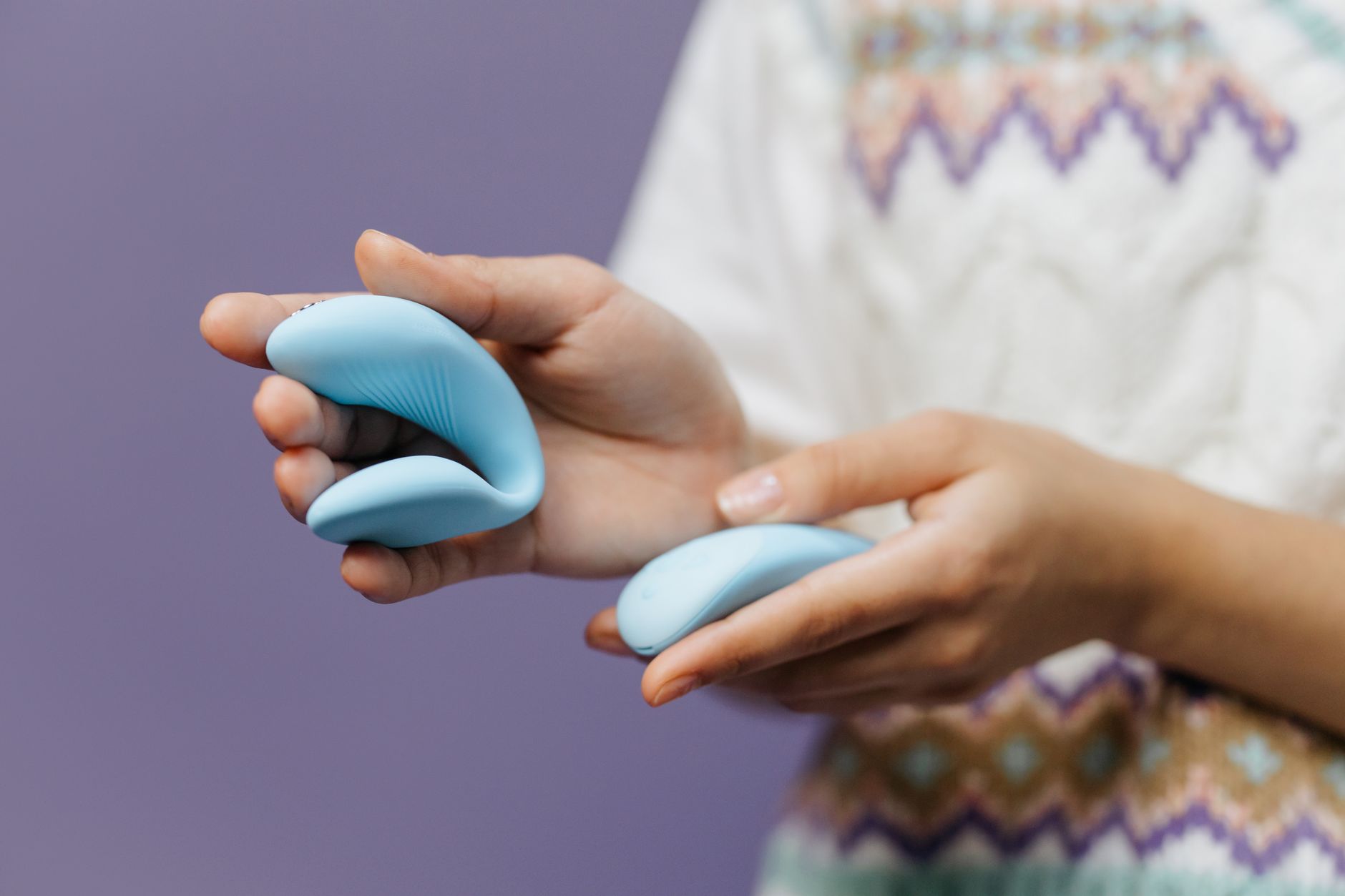
Lemon suction vibrators don't require you to "perform" sensation the way other toys do. A wand vibrator demands a certain rhythm and pressure. The Lem's technology uses gentle suction, which works with your nervous system rather than against it. It's subtle. It doesn't demand intensity. Your body can come online at its own pace.
You also control it completely. You're not trying to sync with a partner's timing or worrying about whether you're taking too long. That autonomy is part of the rewiring.
When to bring your partner back in
If you're in a relationship, solo exploration with a lemon vibrator should come first. Once you've felt sensation again on your own, the next step is teaching your partner what you learned. Not by handing them the toy, but by showing them: this is how my body wakes up now. This is the rhythm. This is the patience I need.
If your partner can't provide that, that's data too. Sometimes the numbness was coming from a relationship that needed to stay broken. Pleasure returning doesn't always mean "save this marriage." Sometimes it means "I can feel again, and that tells me what I actually want."
FAQ: Rewiring sensation after numbness
How long does it take to feel sensation again after years of numbness?
This varies wildly. Some people feel shifts in two to three weeks. Others take three to six months. Your nervous system rewires at its own pace, and pushing it faster usually backfires. The research on nervous system recovery suggests that consistent, gentle practice works better than sporadic, intense attempts. Think of this as physical therapy for your pleasure response, not a quick fix.
Can you use a lemon clitoral vibrator if you're in antidepressants and numb from medication?
Absolutely. Medication-related numbness is a physical numbness, and it requires the same gentle approach. In fact, lemon vibrators often work really well because the stimulation is precise and sustained. That said, if the numbness is severe, talk to your prescriber about whether dosage or medication timing might shift. Sometimes a small adjustment changes everything.
Is it normal to feel nothing even with a lemon vibrator at first?
Completely normal. You're asking your nervous system to wake up after a long sleep. Some people feel warmth before they feel vibration. Some feel pressure before they feel pleasure. All of that is awakening. Keep going. You're not broken. You're just moving slowly.
Should you use a lemon vibrator alone or with a partner when reawakening sensation?
Start alone. Absolutely alone. Your nervous system needs to feel safe and in control. Adding another person's expectations, even well-intentioned ones, can trigger the same protection response that created numbness in the first place. Once you've found sensation solo, then you can experiment with bringing a partner in if you want to.
What if you regain sensation but don't get orgasms back?
Orgasm is not the goal here. Sensation is. Some bodies come back to orgasm easily once sensation returns. Some don't. Both are okay. If you can feel touch, if pleasure exists in your body again, that's the win. Orgasm is a bonus, not a requirement.
Can trauma affect whether lemon vibrators help with numbness?
Yes. If the numbness is connected to trauma, a lemon vibrator is still a useful tool, but it works best alongside trauma-informed therapy. Trauma-informed touch can help you rebuild pleasure safely when your nervous system has learned that touch isn't safe. If you're healing from trauma, move slowly and consider working with a therapist who specializes in somatic (body-based) healing.
The bottom line
Numbness feels permanent until it isn't. Your body didn't forget how to feel pleasure. It learned to protect you by turning down the volume. Rewiring that response takes patience, consistency, and tools that work with your nervous system instead of demanding it surrender.
A lemon vibrator is one part of that rewiring. The other parts are the conversations you might need to have, the therapy work that might be necessary, and the permission you have to explore your own pleasure on your terms. When you combine those pieces, sensation comes back. Maybe slowly. Maybe not like it was before. But it comes.
If you're ready to start, begin gently. Use low patterns. Notice everything. Be patient with yourself. Your nervous system is listening. It's just taking time to believe that feeling good is safe again.
Have questions about how to begin? Get in touch with us. We're here to help you find your way back to pleasure.