
Here's what nobody tells you about performance anxiety
Performance pressure doesn't kill pleasure because you're bad at sex. It kills pleasure because your nervous system is stuck in sympathetic overdrive. The part of your brain that registers safety shuts down. The part that tracks time, judges, and worries cranks up to full volume. Your body simply cannot relax into sensation when it's doing threat assessment.
This is exactly where lemon vibrators change the math.
Why performance anxiety hijacks your nervous system
When you're worried about whether you're doing it right, whether your body looks right, whether you're taking too long or coming too fast, whether your partner is bored, whether you deserve this, whether you're normal. That list never ends. What you're actually doing is running a constant internal audit instead of feeling what's happening in your body.
That's not character weakness. That's your brain trying to protect you from something it perceives as unsafe. Maybe it learned that your pleasure wasn't welcome. Maybe past partners made you feel like you were taking too much time or being too loud. Maybe you grew up in a family where bodies were shameful. Maybe you absorbed the message that good partners are always ready, always enthusiastic, never need anything.
Your nervous system doesn't forget those messages. And sex triggers them every single time.
The reason lemon clitoral vibrators work here is simple. They short-circuit the performance loop by making sensation so direct and undeniable that your brain's judgement centre has to step aside. A clitoral vibrator doesn't require you to do anything right. It does the work.
The performance pressure story most people live through
You're with a partner or you're alone and the expectation (real or invented) is that this should lead somewhere. To an orgasm. To a certain kind of orgasm. To lasting a certain amount of time. To looking a certain way while it happens. To wanting it at a certain frequency.
The moment you start watching yourself instead of feeling yourself, sensation collapses. Your arousal dips because you're distracted. That makes you try harder, which makes you more distracted, which makes everything feel more distant.
If you're with a partner, they might sense the shift and think it's about them, so they change what they're doing, which breaks your rhythm further. If you're alone, you might start thinking about switching to something that feels less like failure.
That cycle is exhausting. And it's not actually about your body's capacity. It's about the cage you've put your attention in.
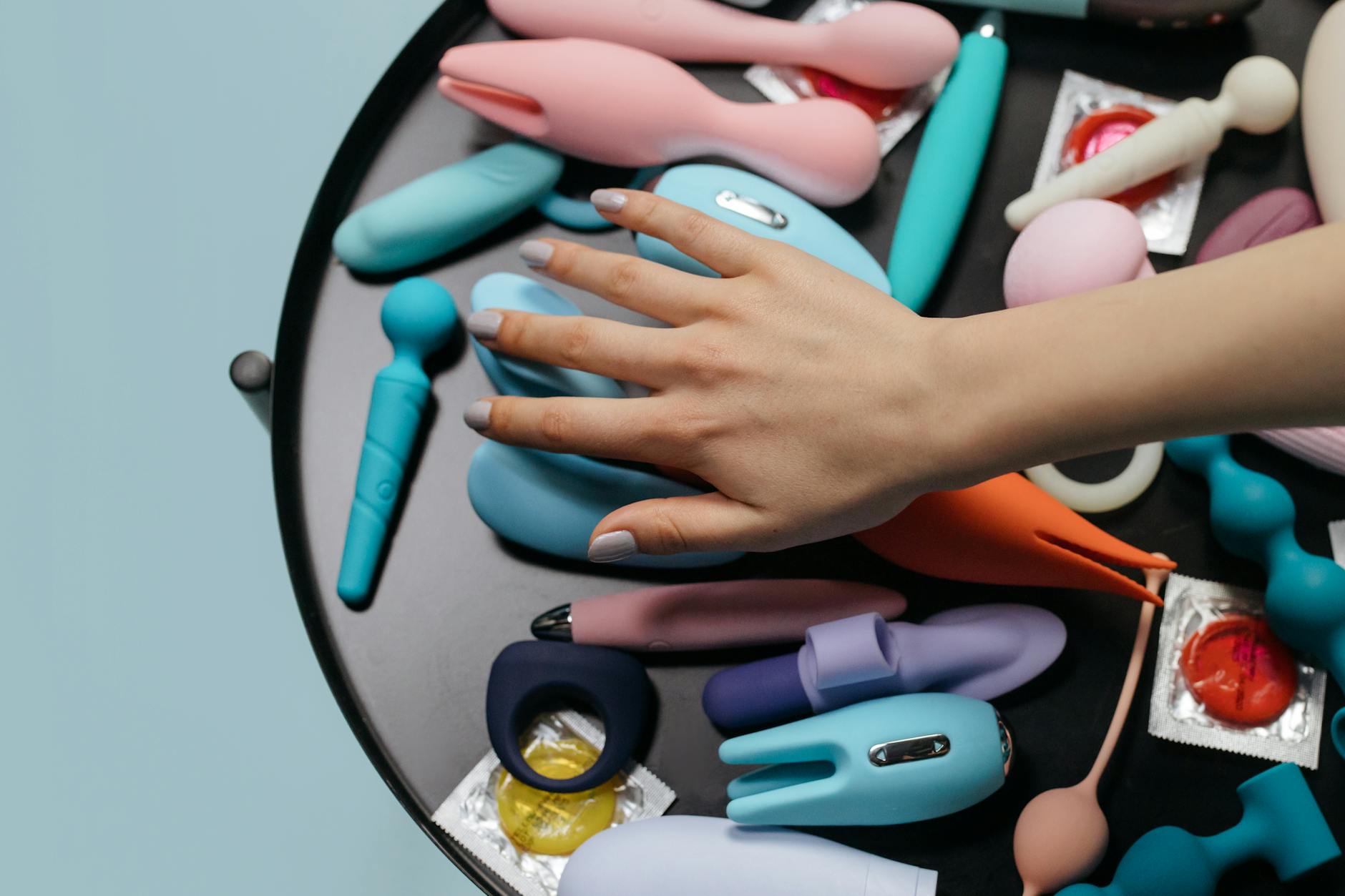 Photo by cottonbro studio on Pexels
How lemon vibrators specifically dissolve this
A device like the Lem works differently than hands or fingers because it does the stimulation independently. You don't have to maintain rhythm. You don't have to figure out exactly where or how much pressure. You don't have to worry about your arm getting tired or your jaw hurting.
What that actually means is your brain can stop problem-solving and just receive.
When you take away the variables you can "mess up," the nervous system genuinely relaxes. It's not distracted by technique anymore. Sensation becomes the main event instead of an afterthought while you're auditing your performance.
For people with a history of pressure or shame, this is often the first time they actually feel their arousal building without simultaneously feeling self-conscious about it.
The exact setup that breaks the performance cycle
Start by naming what pressure you're feeling. Not to punish yourself, but to get specific. Are you worried about timing? Are you self-conscious about sounds? Are you anxious about disappointing a partner? Do you feel like you should want this more than you do? Write it down if it helps.
Then remove one variable. If you're with a partner, ask them to be present but not responsive. This sounds weird until you try it. What it actually means is they don't react, don't offer commentary, don't try to help or adjust. They're there but they're not judging or performing back at you. Paradoxically, that removes most of the pressure.
If you're alone, turn your phone off. Genuinely off, not just silent. Set a time limit you're comfortable with. Tell yourself you're not trying to come. You're trying to feel.
Then use your lemon vibrator on a lower setting. Not because intensity is bad, but because starting low builds a stronger connection to the feeling. You notice more. Your nervous system registers safety easier.
Spend time noticing. Not achieving. Where does the sensation register? Is it sharp or warm? Does it pull your attention inward? Which speed feels good versus which feels like work?
What happens when you stop treating pleasure like a target
Performance anxiety is fundamentally about treating pleasure like an achievement you have to complete for someone. Or for yourself. Either way, it becomes external. Youre chasing it.
The moment you flip that and let pleasure be something that happens to you rather than something you do, the whole pressure system gets inverted.
You're not responsible for producing an orgasm. The vibrator is. You're responsible for noticing what feels good and allowing yourself to feel it. That's actually relaxing.
Most people report that when they stop trying to come, they come easily. Or sometimes they don't come, but the sensation itself becomes the whole point. Either way, the fear dissolves because the stakes dropped to zero.
The partner conversation that actually helps
If you're in a relationship and you're carrying performance anxiety, your partner probably senses it. They might be carrying their own. The conversation that helps isn't about technique. It's about permission.
Tell your partner something like: "I notice I get in my head during sex. I need us to talk about what happens if I don't come, or if this takes longer, or if I need to do something different. I need to know that's okay."
Then listen to what they're carrying. Often they're anxious about the same things. You're both worried about disappointing each other.
Using lemon vibrators together actually resets this dynamic because it gives you both something to focus on that isn't about someone's performance. It's about sensation. It's collaborative. It removes the scorekeeping.
When you've been holding performance pressure for years
Some people have been performing in bed since their first sexual experience. That's a long time to keep the nervous system activated. Rewiring takes patience.
Start by using a lemon clitoral vibrator solo, in a space where you feel genuinely safe. This isn't about having a breakthrough orgasm. It's about your nervous system learning that pleasure without judgment is possible.
If that sounds too slow, remember that you've spent years in the habit of pressure. One evening of relaxation won't undo that. But consistent, judgment-free sensation does reset the nervous system over time.
You might also consider talking to a therapist who specializes in sexual wellness. Performance anxiety often has roots in relationships or family messages that run deeper than technique. A professional can help you identify where the pressure actually comes from so you're not just managing the symptom.
The truth about pressure and sensation
Your body knows the difference between sensation it can relax into and sensation it's performing for. Under pressure, even the most intense stimulation feels flat. Released from pressure, even gentle sensation feels profound.
A lemon vibrator isn't a magic tool that erases anxiety. But it does remove the requirement to perform, which is often exactly what nervous systems need in order to relax.
Your pleasure doesn't need to be productive. It doesn't need to go anywhere or prove anything. It can just be a feeling you have.
People also ask
How long does it take to stop feeling pressure during sex?
It depends on how long you've been holding that pressure. If it's months, retraining happens relatively fast. If it's decades, give yourself more time. The nervous system learns through repetition. Consistent experiences of pleasure without judgment rewire the threat response over weeks to months. Some people feel the shift after a few sessions. Others need months of regular practice. The timeline matters less than the consistency.
Can using a lemon vibrator make performance anxiety worse?
No, actually the opposite. The only way a vibrator could reinforce anxiety is if you're using it as another metric to perform against. If you're thinking "I should come in X minutes with this" or "Something's wrong if I don't feel it," then yes, the anxiety persists. But if you use it as a tool to feel sensation without an outcome requirement, it consistently dissolves the pressure. The key is removing the goal.
What if my partner thinks using a vibrator means something's wrong with them?
This is common and it's worth addressing directly. A vibrator isn't a commentary on your partner's adequacy. It's a tool that removes performance pressure for both of you. Framing it as "this helps me relax into pleasure without pressure, which actually makes sex better for both of us" is more accurate than "you're not enough." If your partner is still struggling with it, that's worth exploring separately, maybe with a couples therapist who understands sexual wellness.
Is it normal to feel nothing the first time I use a lemon vibrator?
Completely normal. If you've been operating under pressure, your nervous system has learned to disconnect from sensation as a protective strategy. The first few times might feel numb or distant. That doesn't mean the vibrator isn't working. It means your nervous system is learning it's safe to re-engage. Keep using it in a low-pressure context and the sensation usually returns over sessions.
How do I talk to my partner about needing pressure-free sex?
Start with something like: "I've noticed I get anxious during sex and it disconnects me from feeling good. I'd like to try something different where the focus is on sensation rather than a specific outcome. Can we try that?" Then be specific about what you need. Maybe it's less performance feedback. Maybe it's removing comments about how you look. Maybe it's just knowing that not coming is completely fine. Clear expectations prevent misunderstandings.
What if I feel guilty about taking pleasure that's just for me?
That's worth exploring, either alone or with a therapist. Guilt about pleasure often comes from messages you received about whether your needs matter. Newsflash: they do. Your partner's pleasure matters. Your pleasure matters equally. If you're carrying guilt about receiving, that's a belief worth questioning. You deserve sensation that feels good just because it feels good.
The shift from performance to presence
The real work here isn't about technique or finding the right vibrator setting. It's about learning to be present in your body without editing, without explaining, without proving anything. A lemon vibrator is a tool that makes that easier because it removes the variables you could supposedly get wrong.
Start there. Give yourself permission to feel good without justifying it. Lean on the vibrator to do the work while you practice just receiving. That practice is the actual rewiring.
If you're carrying questions about how to navigate this in your relationship or with your own body, you're not alone. Reach out to us anytime. You can contact The Lemon Suckers team for guidance on pleasure without pressure.