Let's talk about the pause
There's a peculiar kind of vulnerability that comes with returning to sex after time away. Maybe you've been dealing with recovery from surgery, managing a health condition, going through a relationship shift, or simply needed space for your own reasons. Whatever brought you here, the gap between then and now can feel surprisingly wide. Your body might feel unfamiliar to you. Your desires might feel rusty. That's all completely normal, and honestly, it's fixable.
Here's what matters: restarting sex after a break isn't about jumping back into what used to work. It's about building a new baseline that honors where you are now. That's where tools like lemon clitoral vibrators become genuinely useful. They're not about compensating for lost time. They're about easing in gently, with control, on your own timeline.
What happens to your body during a pause
When you step away from sexual activity for a while, your body doesn't exactly stay frozen in place. Blood flow patterns to your genitals shift. The nerve pathways that carry sensation don't disappear, but they do become less practiced at firing up quickly. Your pelvic floor muscles might feel tighter or less coordinated. Arousal might take longer to build. Orgasms might feel different in shape or intensity.
This isn't dysfunction. This is just what happens when you pause a physical practice for months or years. It's exactly like taking a break from running or dancing. Your body remembers the basic architecture. It just needs a warm-up period to find its groove again.
The emotional side matters just as much. Anxiety about whether you'll remember how to feel pleasure. Worry about disappointing a partner. Self-consciousness about your body. These feelings live in your nervous system, not just your head, and they directly affect arousal. A slow, solo exploration with a clitoral vibrator helps you separate the physical from the psychological noise.
Why lemon vibrators work for this specific moment
Lemon clitoral vibrators like the Lem are designed around a particular truth: precision stimulation with gentle, consistent pressure works better than broad-spectrum intensity when you're relearning your body. The suction mechanism on the Lem doesn't require the same muscular engagement that direct friction does. Your clitoris can respond without your pelvic floor bracing or tightening defensively.
That matters. When you've been away from pleasure for a while, your body often guards itself. A clitoral vibrator that works with suction instead of vibration alone lets your nervous system relax. You're not fighting pressure. You're experiencing it.
The intensity levels are also crucial. You can start with pattern 1 on the Lem and stay there for as long as you want. There's no expectation to climb. No pressure to progress. Solo exploration with a vibrator gives you permission to move at your own pace without feeling like you're stalling a partner.
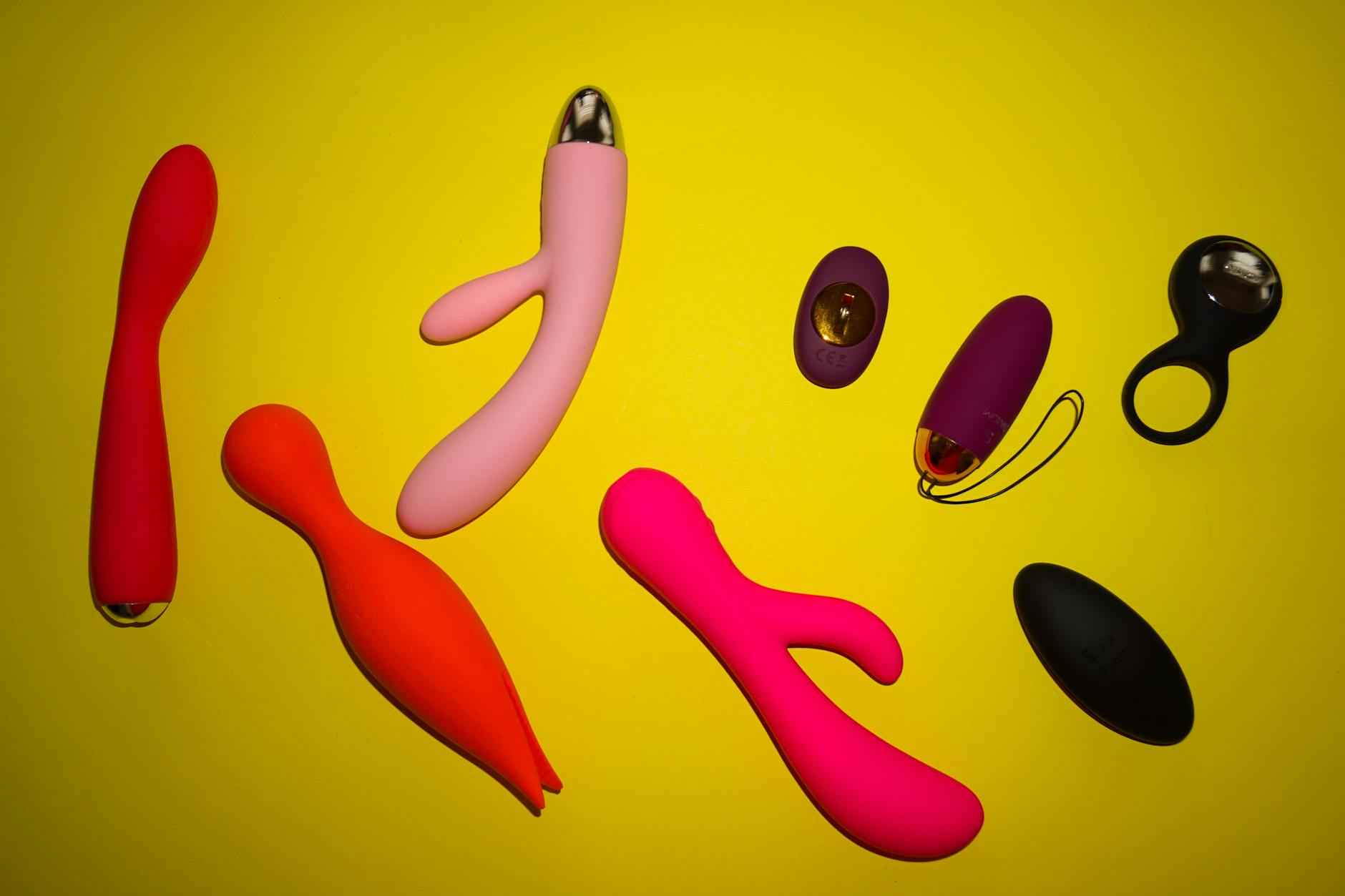
Photo by FounderTips on Pexels
The solo exploration phase
I recommend spending 2.4 weeks in solo practice before introducing a partner into the mix. This sounds arbitrary, but there's logic behind it. Two to four weeks is enough time to reestablish basic arousal patterns, get familiar with what feels good now rather than what used to feel good, and build confidence in your own body's responses.
Set aside 20.30 minutes when you have privacy and no other demands. Not because you need a lengthy session. Because rushing defeats the purpose. Start without the vibrator. Touch yourself with intention. Notice where you're sensitive, where you feel numb, where you feel defensive. This is data, not judgment.
When you introduce the Lem, keep the intensity low. The idea isn't to chase orgasm. It's to reestablish the neural conversation between your brain and your clitoris. Over 2.3 weeks, you'll likely notice arousal building faster. Sensation deepening. Orgasms happening more reliably. That's your body coming back online.
Managing anxiety during the restart
Honestly, the physical part is usually easier than the mental part. Your body wants to feel pleasure. Your brain, though, might be running a loop about whether you've lost something permanently. You haven't. But that belief takes evidence to replace.
Two practical things help. First, disconnect orgasm from success. If you spend 20 minutes with a lemon clitoral vibrator and don't orgasm, that's not a failed session. You just gathered information about what your body needs today. Second, expect that sensation will feel different. If you used to come in five minutes and now it takes 15, that's not regression. That's your new baseline. Meet it where it is instead of fighting it.
If intrusive thoughts come up. Like guilt about the time away or worry about performance. Notice them and let them pass. You're not trying to meditate them away. You're just not letting them run the show. The vibrator and the sensation are always available if you want to return focus there.
Bringing a partner back in (when you're ready)
The transition from solo to partnered sex matters as much as anything that came before. If you have a partner, one conversation before restarting is worth weeks of awkward navigation afterward. Let them know: my body is in a new place right now. I'm relearning what feels good. This isn't about you or your technique. It's about me getting to know myself again.
If they're genuinely secure, they'll get it. If they're anxious or feel rejected by the pause, that's a separate conversation that might benefit from a couples therapist. But for the actual restart, consider using the Lem together initially. You're in control. They can be present without taking over. It gives them something to do besides feel useless, and it keeps the pressure off you to perform.
Some people find that solo sessions with the Lem continue even after partnered sex resumes. That's healthy. You're not supposed to abandon your own pleasure once someone else enters the picture.
When to slow down even more
If at any point you experience pain during this process, don't push through. Pain is information. It means something in your pelvic floor, your tissues, or your nervous system needs more time. Using a lemon clitoral vibrator on lower settings can actually help relax the pelvic floor, but if pain persists, see a pelvic floor physical therapist. They can assess whether tightness or scar tissue or something else is creating the block.
Similarly, if you're experiencing panic or flashbacks during exploration, especially if the pause was related to trauma, a trauma-informed therapist might help more than a vibrator. These tools work best when your nervous system is already in a place to receive pleasure, not when it's in high alert.
Timeline expectations
Most people start feeling noticeably more confident and responsive within 3.4 weeks. Within two months, arousal usually builds more predictably. By three months, you're typically back to your baseline, though it might look a little different than before. The texture of pleasure can change over time, and that's fine. You're not trying to resurrect your sex life as it was. You're building one that fits who you are now.
The bigger picture
Returning to sex after a break is actually an opportunity to reset your expectations and your relationship with pleasure. You get to ask yourself: what do I actually want now? What felt good, and what was I doing out of obligation? What new possibilities might I explore? A pause can feel like loss, but it can also feel like permission. Use it that way.
People also ask
How long after surgery should I wait before using a clitoral vibrator?
Depends on the surgery. After general anesthesia or abdominal work, wait until you're fully cleared by your doctor, usually 4.6 weeks. After gynecological procedures, sometimes sooner. After perineal surgery, longer. Ask your surgeon specifically about sexual activity and vibration, not just general activity. They'll give you a concrete timeline. Once cleared, start with the lowest intensity and go slow. Your body will tell you if it needs more time.
Can I use a lemon vibrator if I'm still nervous about sex?
Absolutely. In fact, solo use is the best way to work through nervousness. You're not managing anyone else's experience. You're just exploring your own body at your own pace. Anxiety often decreases once you have successful solo experiences. Then partnered sex becomes less fraught because you already know your body responds.
Will my orgasms feel the same as before the break?
Maybe, maybe not. Your body changes. Your nervous system changes. Your preferences change. Some people find their orgasms feel stronger after a break because they're not rushing. Others find a different quality altogether. The assumption that they should feel identical is usually where frustration comes from. Expect novelty. It's usually better.
Is it normal to feel emotionally vulnerable during this restart?
Completely normal. Sexual response involves your whole nervous system, which is also your emotional center. As arousal comes back online, emotions sometimes surface. You might feel sad or angry or tender. That's not a sign something's wrong. It means your body is waking up. Let the feelings move through instead of treating them as a problem to solve.
Should I tell my partner I'm using a vibrator for this?
Does it come up naturally? If so, yes. Are you hiding it out of shame? That might be worth examining. If you just prefer solo privacy for a few weeks, you don't need to narrate every detail of your self-care. But secrecy built on shame usually creates more distance than you started with. If you can mention it neutrally, do.
What if I still don't feel arousal after four weeks?
Talk to your doctor. Persistent low desire after a physical or emotional break can signal hormonal shifts, medication effects, or something else that needs attention. It might also mean you need a therapist more than a vibrator. Both are legitimate tools. The goal is getting you back to a place where pleasure feels possible again, whatever that takes.
The reset you actually need
Coming back to sex after time away is less about forcing your body to perform and more about letting it remember what pleasure feels like. The Lem and other lemon clitoral vibrators work because they give you a gentle, controllable way to rebuild that memory. You're not competing with lost time. You're simply meeting your body where it is and letting it move forward from there. That's how restarts actually work.