Let's be real about this moment
You've just met someone. The chemistry is there. Things are moving toward the bedroom. And somewhere in your mind, there's a question: Do I bring toys into this? When? How? Will they think it's weird?
Honestly, most people are relieved when a partner brings it up first. It signals openness, self-knowledge, and confidence. That's attractive.
Why the timing matters more than you think
Introducing a lemon vibrator to a new partner isn't about the toy itself. It's about what the toy says. Toys say: I know my body. I'm not afraid to ask for what feels good. I want us both to have a better time together.
But the conversation has to happen at the right point. Too early, like on a second date? That can feel transactional. After you've had sex a few times and built some comfort? That's your window.
The sweet spot is usually after you've slept together once or twice, the sex felt good enough that you both want to explore more, and there's enough trust that you can laugh together. That's when you say something.
The conversation setup
Don't do this during sex or right after. Do it during daylight, clothed, probably over coffee or a meal. The casualness of the setting makes it easier.
Here's the opening that works: "I've been thinking about something. There's this thing that makes me feel really good, and I'd love to try it with you sometime. Would you be open to that?" Stop there. Breathe. Let them respond.
Most responses will be curiosity, not rejection. "What thing?" "Like a toy?" "Really?" These are good signs. They're engaged.
Then you explain simply: "Yeah, it's a clitoral vibrator. I use it alone, and it feels amazing. I think it would feel good with you there, maybe something we try together." That's it. No oversell.
What to say if they seem hesitant
Some people grew up with the idea that toys mean you're not satisfied with your partner. That's the myth that needs addressing, and you address it by being factual, not defensive.
"This isn't about you not being enough. It's about me knowing my body really well and wanting to share that with you. It's actually more intimate to let you see what turns me on." That reframe works because it's true.
If they're worried about performance, add: "This isn't about making me orgasm instead of you. It's about us exploring together. We can use it in ways that feel good for both of us."
Some partners worry toys will reduce sensitivity over time. That's not how physiology works, but they don't know that. You can say: "I've been using this for a while, and it hasn't changed how anything else feels. If anything, it's helped me understand my body better."
If someone is still resistant after you've been clear and kind, that's information. Not a dealbreaker necessarily, but information about how they handle your needs.
The first time you introduce the actual toy
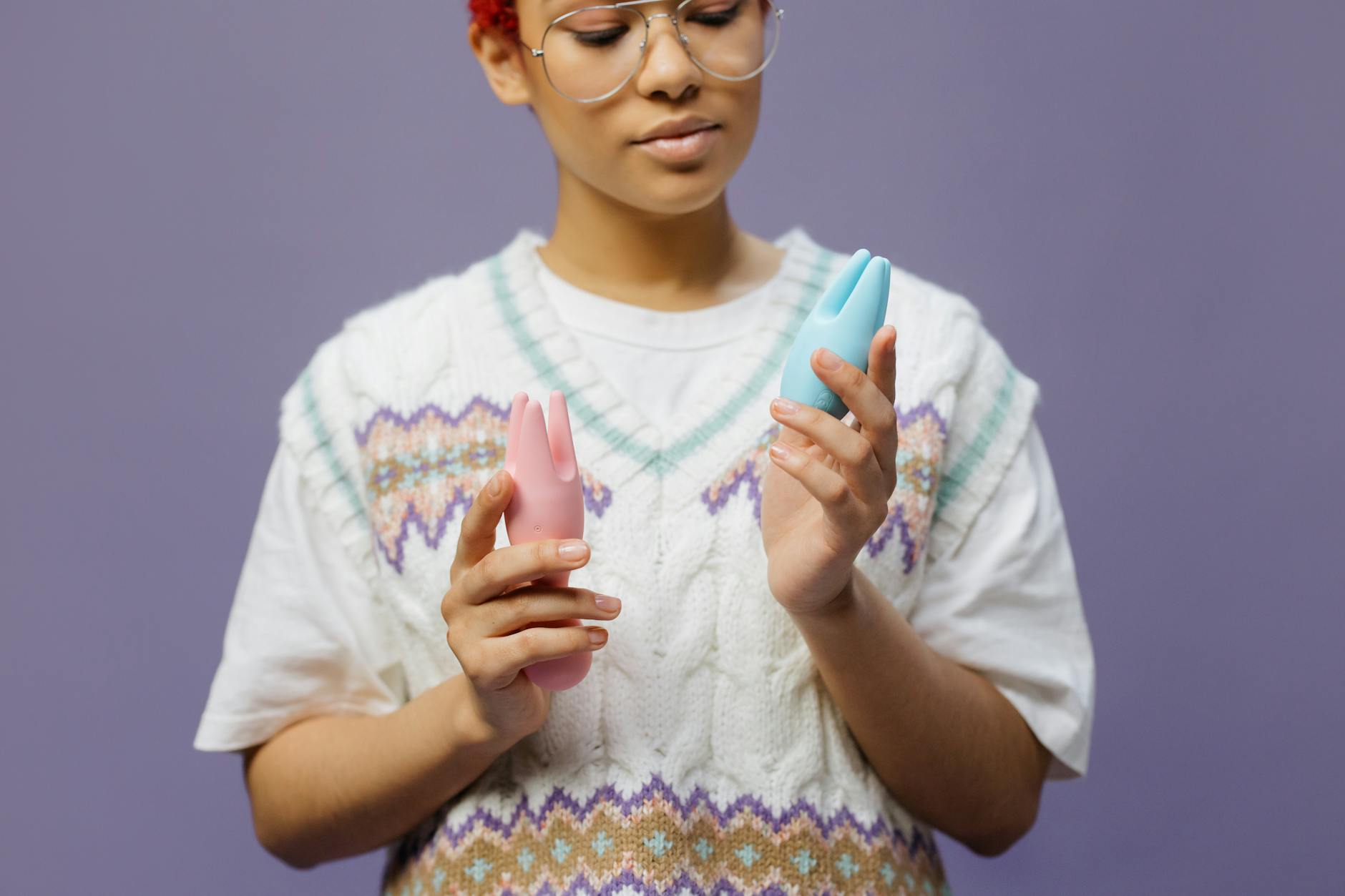
Don't spring it during sex. Bring it up first, show it to them outside the bedroom, let them hold it, turn it on, understand it's not intimidating. A lemon vibrator is small, it looks like art, and it hums softly. There's nothing aggressive about it.
Then, the next time you're together physically, suggest it casually: "Want to try that thing I mentioned?"
Start solo if that feels right. You could use it while they're touching you elsewhere, or they could hold it while you guide their hand. The point is: they're involved, they're watching, they're touching you. It's collaborative.
If you're more comfortable with them leading, say: "You can hold it if you want. I'll tell you what feels good." This puts them in a position of control and attention, which actually makes most partners feel more confident, not less.
Managing the emotions (yours and theirs)
You might feel vulnerable the first time you use a toy with someone new. You're literally showing them what makes you come. That's intimate in a different way than regular sex.
Take a breath before it happens. Remind yourself that vulnerability is where real connection lives. If this person is worth sleeping with, they're worth seeing you like this.
Your partner might feel surprised by how quickly you respond. They might feel left out for a second. That's normal. Counter it by staying connected to them. Make eye contact. Tell them what you're feeling. "That feels so good, especially with you here."
After, talk about it. "That was hot." "I liked watching you." "Should we do that again?" This turns it from something experimental into something normal, which is exactly what you want.
The practical setup
Bring lube. A water-based lube works with any silicone toy. It reduces friction and makes the whole experience easier and more comfortable for both of you. It's not romantic to say out loud, but it matters.
Have the toy clean before the moment. You don't need to make a thing of it, but know that it's fresh and ready.
If you're nervous about having it visible in your bedroom, that's fair. Keep it in a nightstand drawer. Pull it out when the moment feels right. Routine kills the awkwardness.
Start at a lower intensity. Most lemon vibrators have multiple settings for a reason. You're introducing someone to how your body responds, not trying to reach the finish line. Slow, intentional, gives them time to adjust to what they're seeing and feeling.
Why this matters for the relationship
You know what I see in my practice? Couples who can talk about sex openly have better sex. Full stop. And couples who introduce toys together, especially early, tend to stay curious about each other. That curiosity is what keeps things alive.
Introducing a clitoral vibrator isn't a risk to your new relationship. It's an investment. It says: I trust you with my pleasure. I want us to explore together. I'm not ashamed of what feels good.
Most new partners respond to that with openness. And the ones who don't? You've learned something important about compatibility before you've invested months or years.
Common questions that come up
If they ask: "Will you always need this now?" Answer: "No. Sometimes I'll want just you. Sometimes I'll want this. It depends on the day. That's normal." It's true, and it matters.
If they ask: "Does this feel better than me?" Answer: "Different. Not better. I can't orgasm from penetration alone, and this helps. With you here, it's a different thing entirely. You're part of it." Reassurance grounded in biology, not just feelings.
If they seem curious about their own pleasure and ask whether they should get a toy, say yes. "Absolutely. I'd love to know what you like too." This shifts it from your need to mutual exploration, which is where it's strongest.
The long game
Having this conversation early sets a tone for how you'll handle pleasure and vulnerability throughout the relationship. If you nail it now, future conversations will be easier. Want to try something new in bed? You've already proven you can talk about it.
Working through this together also builds a kind of intimacy that's rare in early relationships. You're not pretending. You're being honest. You're asking for what you need. You're watching each other respond with grace. That's connection.
The lemon vibrators, the toys, the logistics—those are almost secondary. What matters is that you're saying yes to your own pleasure and inviting your partner into that yes.

Photo by Diana ✨ on Pexels
FAQ: New partners and lemon vibrators
How do I know if my new partner will be open to using a vibrator together?
You won't know until you ask. But early signs of openness include: they ask you questions about your pleasure, they're curious about what you like, they don't make jokes that shame sexuality, they're comfortable talking about sex in general. If someone can have a casual conversation about sex, they're usually open to toys. The best approach is to ask directly and let them respond honestly.
What if they say no the first time I bring it up?
Respect it, but don't drop it forever. Sometimes people need time to get used to an idea. You could say: "No pressure. Just know I'm interested when you're ready." If they say no repeatedly after you've explained it well, that's information about compatibility. You get to decide if that's a dealbreaker.
Should I use the vibrator with a partner the same way I use it alone?
Not necessarily. Alone, you might go straight to intensity level four. With a partner, you might start at level one and let them explore the sensations with you. It's also fun to have them hold it, guide it, or use it while they're doing something else with their hands or mouth. Variety is your friend.
Is it weird if I come faster with a vibrator than with them inside me?
Not weird at all. Your body has different pleasure pathways. Penetration might feel good, but clitoral stimulation is usually what gets you there. A lemon vibrator targets that directly. That's not a reflection on them or on your attraction. It's anatomy. Most partners actually find it hot to watch.
What if they want to use the vibrator on me but I'd rather do it myself?
Tell them. "I love that you want to, but I think I'd enjoy this more if I guided it. You can touch me other places though." Or suggest they hold it while you guide their hand. You're allowed to have preferences about how you're touched. Communicating that is healthy.
How do I bring up vibrators if we've already had sex a few times without mentioning it?
Exactly the same way. The timing doesn't have to be perfect. You can say: "I've been thinking about something I'd like to try with you." It's never too late to introduce the conversation. In fact, waiting until you're more comfortable might make it easier.
The takeaway
Introducing a lemon vibrator to a new partner is less about the toy and more about communication. It's a test run for how you both handle vulnerability and pleasure. Most of the time, partners are relieved and curious. And even when they're hesitant, the conversation itself builds intimacy.
Your pleasure matters. Asking for it matters. And a partner who steps into that with you? That's someone worth keeping around.
If you're ready to explore, we're here to help. Check out the details on clitoral vibrators or reach out if you have questions.
References & Sources
Gottman, J. M., & Silver, N. (2015). The Seven Principles for Making Marriage Work: A Practical Guide from the Country's Foremost Relationship Expert. Harmony.
Perel, E. (2018). Mating in Captivity: Unlocking Erotic Intelligence. Harper Paperbacks.
Dodson, B. (2002). Orgasms for Two: The Joy of Partnered Sex. Harmony.
Brotto, L. A., & Sasson, S. (2014). "A prospective study of the effects of a mindfulness-based cognitive therapy approach on sexuality and relationship satisfaction for women with a desire/arousal problem." The Journal of Sexual Medicine, 11(12), 3108–3118.