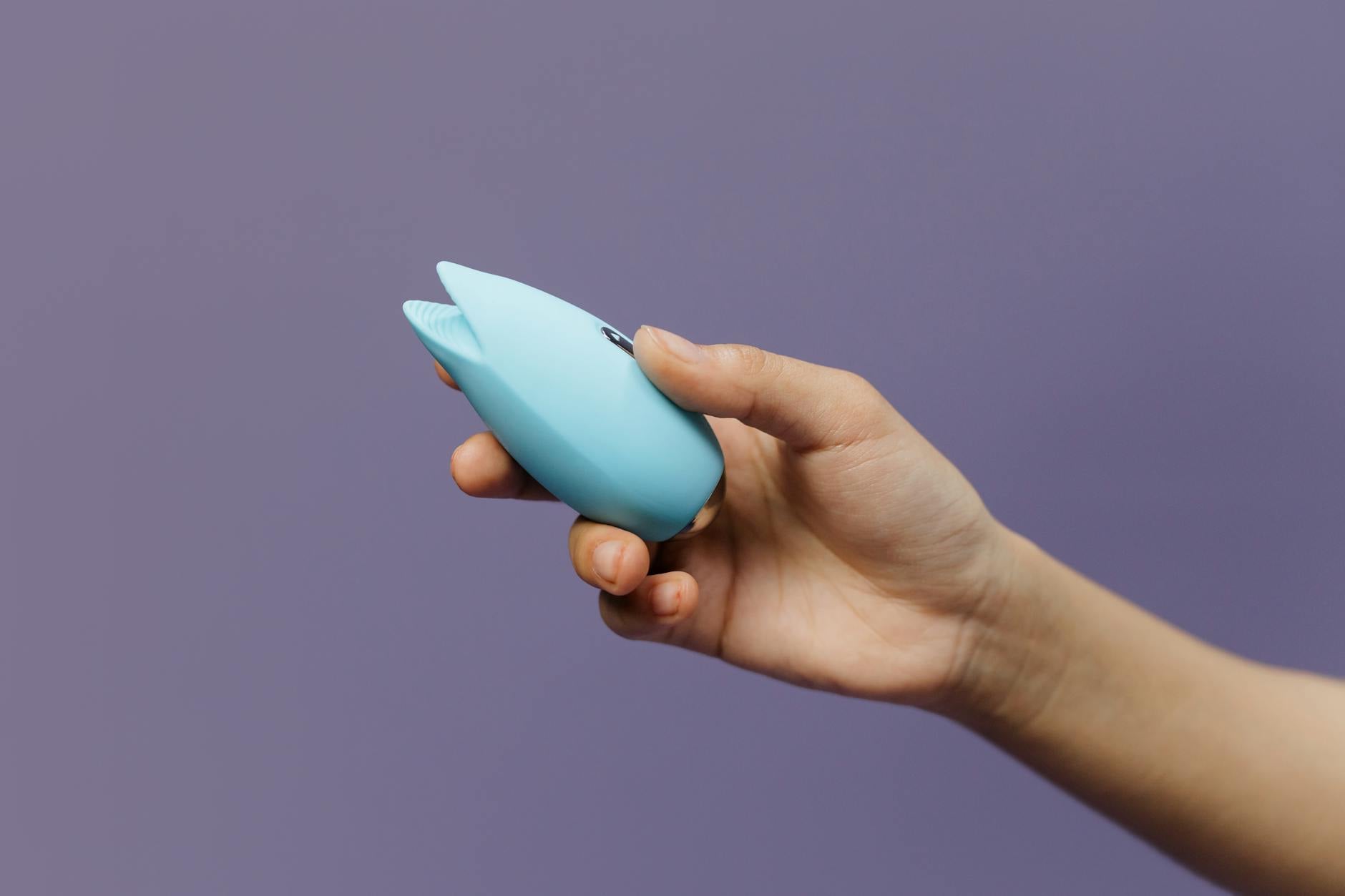
Let's talk about the thing nobody wants to say
Your partner thinks sex toys mean they're not enough. Or that you're bored. Or that you're secretly wishing they were different. None of that's true, and yet here we are, with a lemon vibrator gathering dust in a drawer because the conversation went sideways before it even started.
Introducing a partner to toys when they're not naturally enthusiastic isn't about convincing them they're wrong. It's about rebuilding the conversation from the ground up so both of you actually understand what's happening.
Why partners resist (and it's not what you think)
Most toy resistance isn't about the toy itself. It's about what your partner thinks the toy means.
Some partners worry they're being replaced. Others feel like your asking is an indirect criticism of their skills. Some genuinely don't understand why you'd need anything else when you're already together. A few worry it's kinky in a way that makes them uncomfortable, or that suggesting toys signals some kind of problem in the relationship that needs fixing.
None of those fears are crazy. They're just based on incomplete information. Your job isn't to tell them they're wrong. It's to give them the information they're missing.
Start before you mention the toy
This matters more than the actual introduction. Before a lemon vibrator ever comes up, you need a separate conversation about pleasure itself.
Tell your partner something true: "I love sex with you. And I've realized I know way less about what actually feels good for me than I should. I want to figure that out, and I'd like your help." That's not a criticism. It's an invitation.
Then actually follow through. Talk about what you like. What you wish felt different. What you're curious about. Make pleasure itself the topic, not toys. Your partner needs to understand that you're not running away from them. You're running toward yourself.
The introduction has three parts
When you do bring up lemon vibrators or any clitoral vibrator, structure it carefully.
Part one: frame it as a together project. "I've been thinking about trying something that might make my orgasms feel even better. I want to do it with you because you're the person I'm with." This is the opposite of sneaking a toy in. You're inviting them into the experiment.
Part two: be specific about what it is. Vague language breeds anxiety. "It's a lemon-shaped suction vibrator called a lemon clitoral vibrator. It works by stimulating the clitoris without direct friction." That's literally it. No poetry, no salesmanship. Facts.
Part three: explain the actual benefit. Not "because you need help" but because orgasms might feel stronger, or easier to reach, or just different in a way that's interesting to explore together. And honestly? Because you deserve to feel amazing during sex, and this tool might help with that.
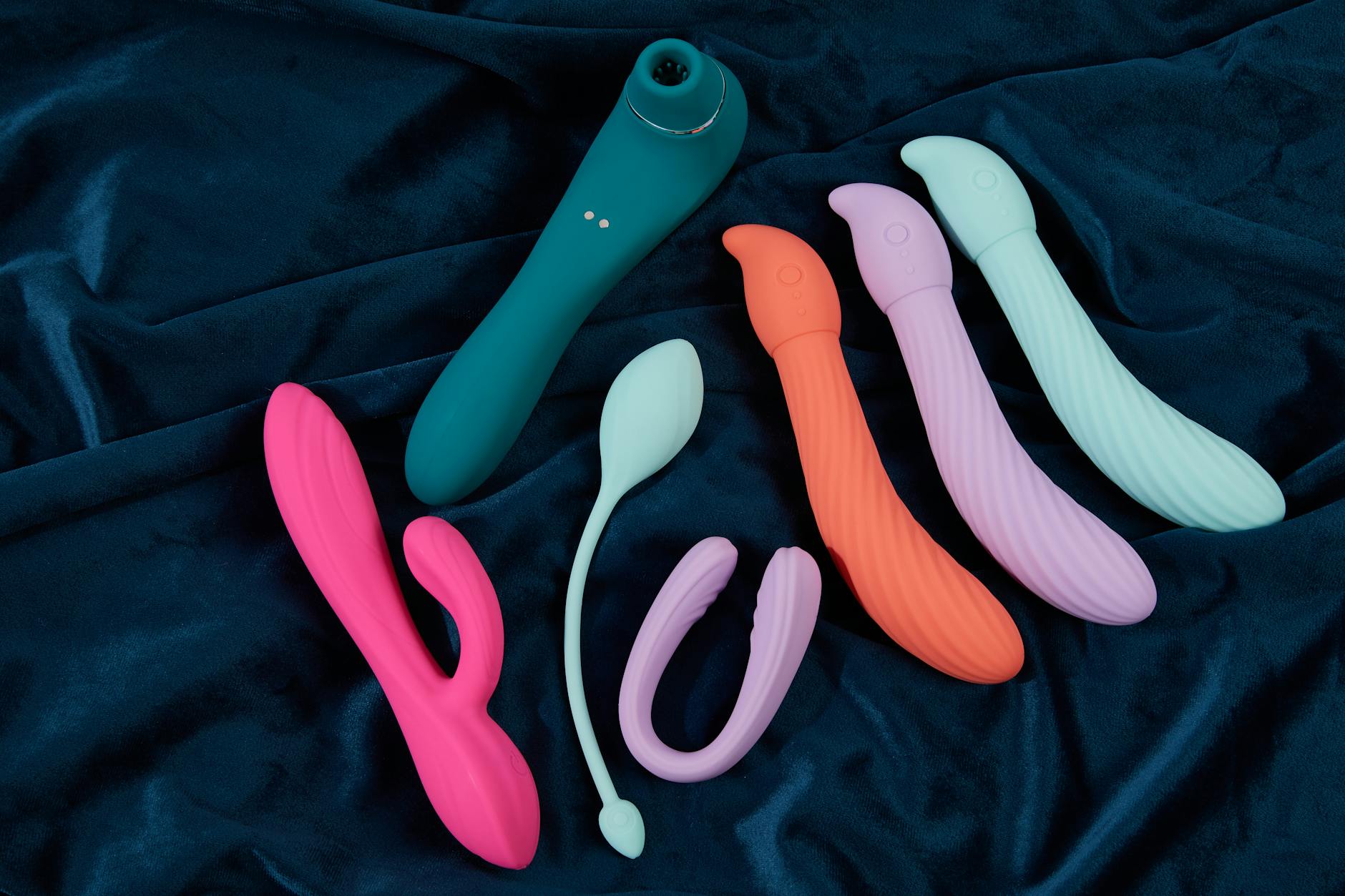
Photo by IFONNX Toys on Pexels
What to do if they get defensive
Some partners will hear this and immediately feel attacked. "So I'm not enough?" is the classic line. Here's what actually helps:
Don't defend the toy. Defend the relationship. "This isn't about you being enough. You are enough. This is about me wanting to know my own body better while we're together. I want you there while I figure it out."
Then actually mean it. The first time you use a lemon vibrator together, your partner shouldn't be banished to the corner. They should be involved. They can hold it. They can watch. They can ask questions. They can help you explore what feels good.
This converts the toy from a threat into a shared experience.
Making the first time actually work
Timing matters. Don't introduce the toy during a conversation about something else that's broken. Don't surprise them with it during sex. Pick a moment when you're both relaxed and not rushed.
Start with the toy off. Just hold it. Let them hold it. Let them see how light it is, how quiet it is, how human the whole thing actually is. A lemon vibrator isn't some mysterious electronic replacement. It's a small, oddly shaped device that stimulates a specific area. Seeing it and handling it makes it less scary.
When you actually turn it on and use it together, keep talking. Tell them what feels good. Tell them what you notice. Make them part of the experience instead of a bystander. If they want to take a turn holding it and exploring how it works, let them.
The conversation isn't one conversation
This doesn't resolve in one talk. Your partner might come around slowly. They might feel weird about it the first time and better the second. Some partners surprise you and become more enthusiastic than you'd expected once they actually see how happy it makes you.
The key is consistency and gentleness. Keep talking about pleasure. Keep inviting them into your experience. Keep making it normal instead of weird.
If you're using lemon vibrators or any clitoral vibrator, you're not trying to replace your partner. You're trying to deepen what you already have by knowing yourself better. That's something worth explaining more than once.
When resistance becomes a deeper issue
Sometimes a partner's resistance to toys is actually resistance to your pleasure, full stop. If they're unwilling to talk about it, unwilling to try, and actively angry about the idea, that's a sign of something bigger.
Toy resistance can hint at control issues, low trust, or a fundamental mismatch in how you both think about sexuality. None of that gets fixed by convincing them that lemon vibrators are cool. It gets fixed by talking to a couples therapist who understands sexuality.
If your partner is generally open and connected but genuinely anxious about toys, that's workable with conversation and time. If they're threatened by your autonomy around pleasure, that's different. Know the difference.
Making it feel collaborative, not divisive
The healthiest version of this is when both of you care more about your pleasure than about being right. That's when a partner who wasn't initially enthusiastic suddenly becomes genuinely curious. They see you happy. They feel connected. The toy becomes less about replacement and more about expansion.
That doesn't happen through logic. It happens through experience. Which is why the first time matters so much. Make it good. Make it collaborative. Make it feel like something you're discovering together, not something you're doing to or despite them.
Your partner might never be the type to suggest lemon vibrators on their own. But they can become the type who actively wants you to have the best possible experience, toys included. That's a much easier place to land than you might think.
People also ask
How do I bring up lemon vibrators without hurting my partner's feelings?
Frame it as self-discovery, not criticism. "I want to explore what feels amazing for me, and I'd like you there with me" is fundamentally different from "I need this because sex with you isn't enough." Timing also matters. Have the conversation when you're both calm, not in the moment or during an argument about something else. Be specific about what a lemon clitoral vibrator actually is and does. Vagueness breeds anxiety.
What if my partner says no to using toys together?
That's different from them saying no to you exploring on your own. You can absolutely use lemon vibrators solo. If they're resistant to participating, you have options: respect that boundary while explaining you're still going to explore (which sets a healthy precedent about your autonomy), suggest a conversation with a couples therapist if the resistance feels like deeper control or trust issues, or give them time and keep being open about how much it matters to you. Sometimes partners come around when they see you're serious and they're not losing you.
Can using a toy with my partner make them feel inadequate?
It can if the conversation is wrong. If you frame it as "you're not good enough" or you use it as a replacement for their participation, yeah, they might feel that. But if you frame it as exploration and evolution, and you keep them involved and connected, it's actually an intimacy builder. Many couples find that introducing lemon vibrators or other clitoral vibrators deepens their connection because they're learning each other's bodies in new ways.
Should I use lemon vibrators alone before introducing them to my partner?
It's helpful but not necessary. Some people prefer to explore with their partner from the start because it makes the experience shared. Others want to know how it feels first so they can explain it better. Do whatever feels right for you. Just know that your partner probably needs less information about how it works and more information about why it matters to you.
What if my partner gets turned on by the idea of lemon vibrators once we try it?
That's actually common. A partner who started resistant sometimes becomes genuinely interested once they see how happy it makes you, or how good it feels to explore together. Don't be surprised if the person who said "I don't know about this" becomes the person holding the toy and watching your face. That shift often means your partner's resistance wasn't really about the toy. It was about feeling disconnected from your pleasure. Fixing that connection fixes most of the resistance.
Is there a best way to use lemon vibrators with a partner who's just getting comfortable with the idea?
Start simple. Incorporate it into foreplay, not as the main event. Let your partner hold it if they want. Focus on communication. Tell them what feels good. Ask them what they're noticing. The goal isn't to have the perfect orgasm. It's to make the experience feel collaborative and intimate. That usually means going slower than you would alone, checking in more, and making sure your partner feels like an active participant, not an observer.
The real version of this
Introducing any toy, including lemon vibrators or lemon clitoral vibrators, to a partner who doesn't naturally like them requires three things: honesty about what you want, clarity about what the toy actually is, and patience with their process. You're not trying to fix your sex life. You're trying to expand it. That's a conversation worth having multiple times, and it's almost always worth the awkwardness on the front end. Most partners surprise you once they understand what's actually happening.
If you're looking for a deeper conversation about navigating pleasure and intimacy as a couple, reaching out to a couples therapist can help. And if you're ready to explore what clitoral vibration can feel like, Hello Nancy has resources to help you understand your own body so you can explain it better to your partner.