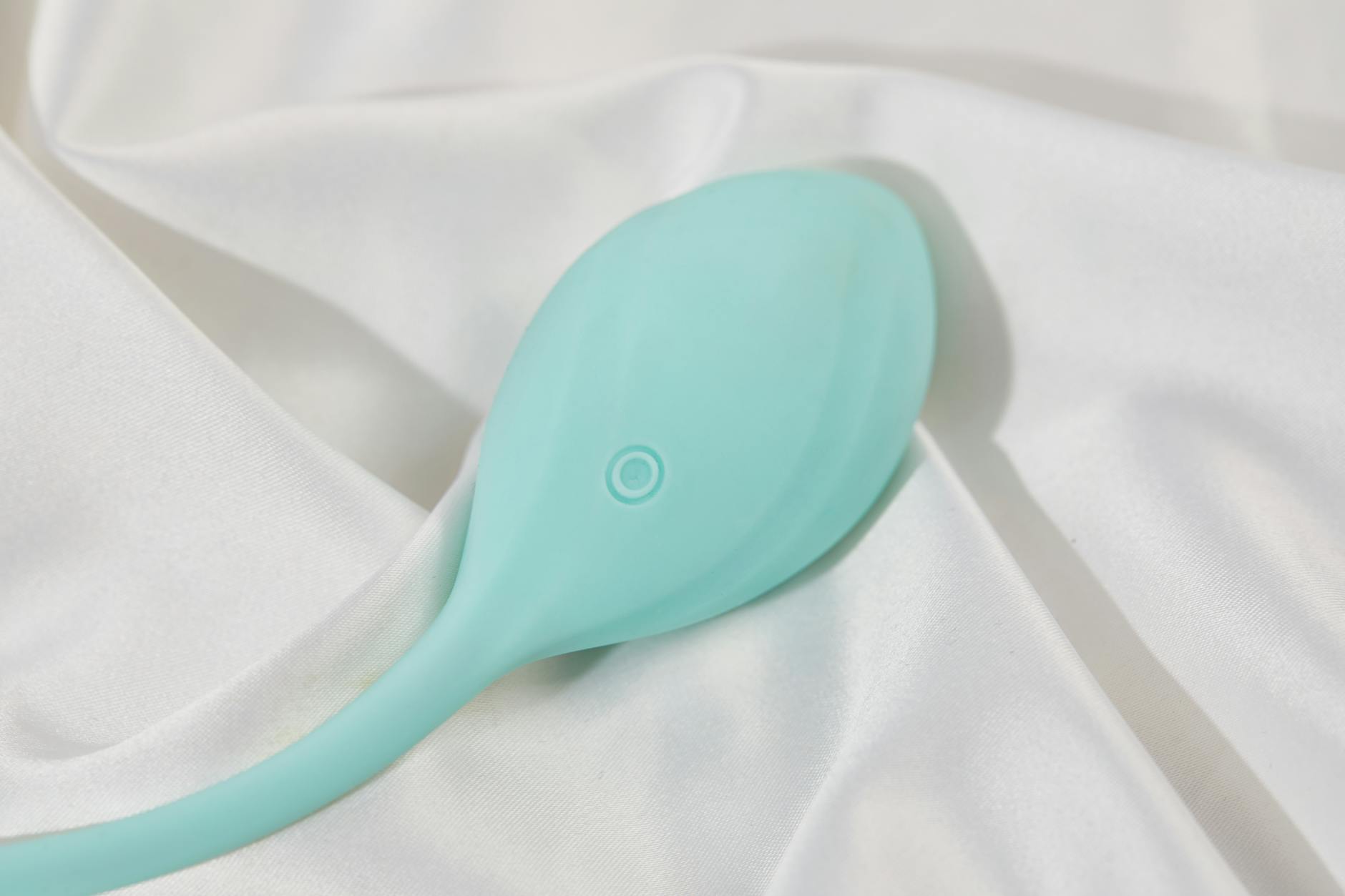
Here's the thing about first-time intensity
You unbox your lemon vibrator, turn it on, and immediately think: "This is too much." The sensation feels sharp, overwhelming, almost aggressive compared to what you expected. Your instinct is to assume you're not "built" for toys like this, or that your body is somehow more sensitive than it should be. Neither is true.
The reason lemon vibrators feel uncomfortable on first use isn't because you're broken. It's because the suction-based design concentrates sensation in a way your body hasn't learned to read yet.
Why lemon vibrators create that specific sensation
Lemon clitoral vibrators work through gentle suction and pulsation, not traditional vibration. That's what makes them so effective long-term. But on first contact with a sensitive area that hasn't experienced suction before, that sensation can feel sharp or even slightly painful instead of pleasurable.
Here's the physiology: your clitoris has roughly 8,000 nerve endings concentrated in a space smaller than a pea. When a traditional vibrator hits those nerves with back-and-forth buzzing, your nervous system recognizes it as stimulation relatively quickly. Suction is different. It's a pulling sensation your body might interpret as discomfort until it learns what's happening.
Add to that the fact that most first-time users don't warm up properly before using any vibrator, and you've got the recipe for "this feels awful" when the problem is really just technique and timing.
The warm-up step most people skip
I'd bet money you turned on the lemon vibrator without any prior stimulation. Am I right?
This is the single biggest reason people report discomfort. You wouldn't start stretching with a deep yoga backbend. You wouldn't sprint without a warmup jog. The same principle applies here. Your clitoris needs blood flow, arousal, and a gradual introduction to sensation.
Before you even touch the lemon toy to your body, spend five to ten minutes on manual stimulation. Your hands, a partner's hands, whatever gets you to that early-arousal stage where you're already responsive. Your tissues need to swell slightly, blood flow needs to increase, and your nervous system needs to be primed for pleasure.
Then introduce the toy on its lowest setting. Not full suction. Not rapid pulsing. The gentlest pattern available.
Starting with the wrong intensity level
Most lemon vibrators have multiple settings. Most first-time users go straight to setting 3 or 4 because they're impatient, or because they assume "if a little doesn't work, more will."
That's backwards.
If sensation feels uncomfortable, the answer is never "turn it up." The answer is "turn it down and let your body adjust." Start on pattern 1. Use it for thirty seconds. Pause. Notice what your body is telling you. Then either stay there or move to pattern 2 if you genuinely feel ready.
This sounds tedious. It's not. This calibration phase usually takes three to five minutes total and transforms the entire experience from "why am I doing this" to "okay, I understand now."
The angle and contact point matter hugely
Lemon vibrators are designed with a specific contact point. If you're pressing it directly onto the most sensitive part of your clitoris with full force, of course it's overwhelming. The design is meant for gentler contact, often with the suction cup positioned slightly off-center or with reduced pressure.
Try this: instead of pressing the toy firmly against your body, hold it with barely any pressure. Let the suction do the work. Your instinct will be to increase pressure for more sensation, but resist that. The opposite is true. Lighter contact, longer exposure, lower intensity. That's the progression that works.
If you're using a lemon clitoral vibrator for the first time, experiment with different angles. Some people find that positioning it slightly to the left or right of center, rather than directly on the clitoral head, creates a more manageable sensation that builds over time instead of hitting like a wall.
Common mistakes that make discomfort worse
Beyond intensity and pressure, three other habits sabotage the first experience.
Going dry. Using any suction toy without lubrication is uncomfortable. Water-based lube isn't just nice-to-have; it changes the sensation from sharp to smooth. Apply a small amount to the contact area before you begin.
Expecting instant pleasure. Lemon vibrators often create a building sensation rather than immediate fireworks. This is actually their superpower. But if you're lying there waiting for the sensation to suddenly flip from "uncomfortable" to "amazing," you might give up too soon. Give yourself at least five minutes of consistent, low-intensity use before deciding it's not for you.
Using it when you're not in the mood. This shouldn't need saying, but it does: you can't troubleshoot arousal with a toy. If you're testing the lemon vibrator when you're not already somewhat interested in pleasure, you're testing it in the worst possible conditions. Wait until you actually want to explore, not when you're forcing yourself to "see if this works."
Building tolerance and finding your rhythm
Tolerance isn't the right word, actually. It's not that your body is too sensitive and needs to toughen up. It's that your nervous system needs practice recognizing suction as pleasure rather than alarm.
Do this: use your lemon vibrator on the lowest setting for short sessions over several days. Three to five minutes, once a day or every other day. Your brain will gradually recontextualize the sensation. By day four or five, that same pattern 1 setting will feel completely different. Not because your sensitivity changed, but because your nervous system learned what the sensation means.
Once you're comfortable with pattern 1, you can experiment with higher settings. But there's no rush. Some people find their favorite setting is pattern 2 and never go higher, and that's completely fine. This isn't about reaching some mythical "advanced" level. It's about finding what actually feels good to your body.
What to expect after the adjustment period
Once you move past the initial adjustment, lemon vibrators tend to create a very specific type of pleasure. Many users report that the sensation feels concentrated but not sharp. Intense but buildable. The kind of stimulation where you can feel your body actually responding, getting more aroused, rather than just vibration happening against you.
You might notice that your body reaches orgasm more easily than with other toys, or that the orgasm itself feels different. Some people describe it as more focused, more sustained, or easier to extend. These aren't universal, but they're common enough that if you stick with the adjustment period, you'll likely understand why lemon clitoral vibrators have such devoted users.
The uncomfortable first experience isn't a prediction of how you'll feel once your body adjusts. It's just friction during the learning phase.
If discomfort persists beyond the adjustment period
Sometimes longer warm-up, lower intensity, and better lube still don't help. If you're two weeks in, you've been following this protocol, and the sensation still feels wrong, a few things could be happening.
You might genuinely prefer vibration to suction. That's not a failure. Different toys work better for different bodies. You can't force yourself to enjoy a sensation type that doesn't align with your nervous system.
Alternatively, if there's sharp pain rather than just discomfort, that's worth checking in with a gynecologist about. Pain during any kind of penetration or intense clitoral stimulation can sometimes signal treatable issues like vulvodynia or dermatitis. It's not common, but it's worth ruling out rather than assuming the toy is wrong for you.
For most people though, the discomfort during first use is just a calibration issue, not a red flag. Give yourself permission to go slowly, adjust the settings downward instead of upward, and trust that your body knows what feels good once it's had a chance to learn.
Frequently asked questions
How long does the uncomfortable phase usually last?
Most people adjust within three to five days of consistent use. Some take a week or two. It depends on your baseline sensitivity and how carefully you follow the warm-up and low-intensity progression. If you jump straight to high settings, the adjustment takes longer. If you're patient with the warmup and lower patterns, it often clicks faster.
Can you use a lemon vibrator without lubricant?
Technically yes, but you shouldn't. Suction-based toys work better with lubrication because it creates a smoother glide and reduces friction. Without it, the sensation can feel sharp or stick-like. Water-based lube is your best option with silicone toys. A small amount goes a long way.
Why does suction feel so different from regular vibration?
Vibration is a back-and-forth movement. Your nervous system recognizes it relatively quickly as stimulation. Suction is a pulling sensation that concentrates pressure in one spot. It's fundamentally different from what your body might be used to, which is why the learning curve exists. Once your nervous system maps the sensation as pleasure, that concentration becomes an advantage.
Is there a way to know if you'll like lemon vibrators before buying?
Not really, but you can test suction sensation manually. Cup your mouth over your inner arm and create gentle suction. That pulling feeling is similar to what you'll experience. If that sensation appeals to you even in a mild form, you'll probably enjoy lemon vibrators once you adjust. If it feels actively unpleasant, a lemon clitoral vibrator might not be your thing.
Should you take a break if it still feels uncomfortable after a week?
Not necessarily. Instead, try extending the warm-up phase or dropping to an even lower intensity if your toy has that option. But if you've been using it consistently and the sensation still feels wrong rather than just different, taking a three to five day break and then restarting might help. Sometimes stopping and restarting resets your nervous system's expectations.
What patterns work best for beginners?
Start with whatever pattern your lemon vibrator labels as pattern 1 or the most gentle option. Usually that's a slow pulse rather than continuous suction. Stick with that until it feels normal, then experiment with pattern 2. Most beginners find patterns 2-4 are their comfort zone. Very few people need or want the highest settings. More intensity doesn't automatically mean more pleasure.
The bottom line
Discomfort during your first time with a lemon vibrator is normal, temporary, and fixable. It's not a sign you're incompatible with this style of toy or that your body is wrong. It's just your nervous system processing a new sensation.
Warm up properly, start on the lowest setting, use lubricant, hold it lightly, and give yourself time. Within days, that uncomfortable intensity usually transforms into the kind of focused, buildable pleasure that keeps people reaching for lemon vibrators again and again.
If you want a deeper dive into using any clitoral vibrator effectively, our guide on how to use a lemon vibrator for beginners walks through every detail. And if you're trying to figure out whether lemon vibrators are the right fit for your body compared to other options, we've got you covered there too with why lemon vibrators work better for sensitive clits.
Your comfort matters. Your pleasure matters. Be patient with yourself.