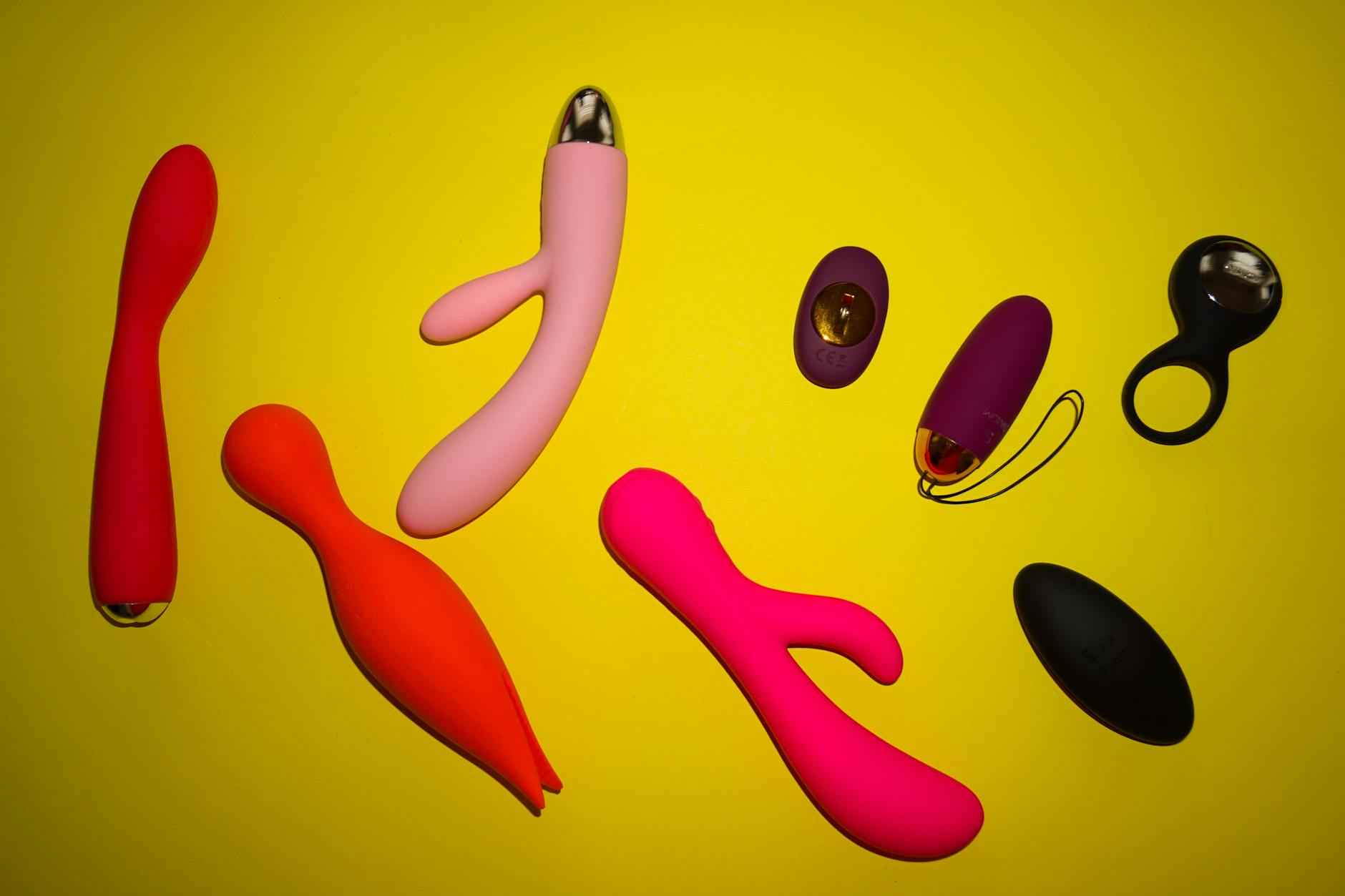
Let's start with the honest part
New medications change things. Your doctor probably mentioned dry mouth or headaches, but not many warn you that your body might respond differently to pleasure. That's not because it's not worth mentioning. It's because most doctors assume you won't ask. But you should.
Here's what actually happens when you start a new medication, and why lemon clitoral vibrators specifically help you reconnect.
What medications actually do to pleasure
Most medications that affect pleasure fall into a few categories. SSRIs and other antidepressants can dull sensation or make orgasm harder to reach. Blood pressure meds sometimes reduce blood flow to the genitals. Hormonal contraceptives shift testosterone levels. Antihistamines dry out mucous membranes everywhere, including down there.
But here's the thing nobody tells you. The change isn't permanent. It's not a character flaw. Your body is adjusting, and there are specific tools that work better than others during this adjustment period.
Clitoral vibrators like the Lem use gentle suction and pulsing patterns that require less direct friction and less blood flow response than other toy types. That matters when your body is recalibrating.
The first two weeks are the hardest
When you start a new medication, your body needs time to acclimate. For pleasure specifically, that usually means the first seven to fourteen days feel weirdest. Sensation might feel muted or delayed. Lubrication might be different. Arousal might take longer to build, or it might feel flat entirely.
This is temporary. I've worked with hundreds of people navigating this, and almost all of them report that by week three or four, things start feeling more familiar again.
While your body adjusts, lemon clitoral vibrators help because they're efficient. They stimulate a wider surface area with less pressure, so you can reach pleasure without straining or getting frustrated. The pulsing patterns also help your nervous system recognize arousal signals even when the response feels sluggish.
How to introduce a lemon vibrator during medication adjustment
Start with lower intensity patterns. If you've used clitoral vibrators before, resist the urge to jump straight to the pattern you loved. Begin at setting one or two. Your body is already processing something new. The goal right now is recognition, not intensity.
Give yourself more time. Budget twenty to thirty minutes for exploration, not ten. When sensation is muted, arousal takes longer to build. That's not failure. That's just your body's timeline while it adjusts to the medication.
Use plenty of lubrication. Many medications dry out mucous membranes as a side effect. Water-based lube isn't a sign you're broken. It's just smart logistics.
Experiment with patterns and pulsing. One of the advantages of lemon clitoral vibrators is the variety of pulsing patterns available. Some people find that specific rhythms work better when sensation feels muted. Try different patterns instead of just increasing power.
Why sensation might feel different right now
Three main reasons explain why pleasure feels off during medication adjustment.
Your nervous system is recalibrating. Medications change how neurotransmitters work throughout your body, including in the areas responsible for pleasure signals. This isn't a character flaw. It's neurology.
Blood flow patterns shift. Many medications affect circulation, especially to smaller vessels. The clitoris has dense nerve endings but relies on blood flow for sensation and arousal. When blood flow changes, so does arousal speed and intensity.
Your expectations might be working against you. If you had pleasure before the medication, you're comparing current sensation to a memory. That comparison often makes things feel worse than they actually are. Instead of "This feels muted," try "This feels different, and my body is learning a new rhythm."
The role of patience and communication
If you have a partner, this is where honesty matters. "I started a new medication and my body is responding differently" is useful information. "Something's wrong with me" is not accurate, and it tends to derail the whole conversation.
Separate the two things. One: your body is adjusting to a medication. Two: you still want pleasure and intimacy. Those are connected but not the same. You can address both without conflating them.
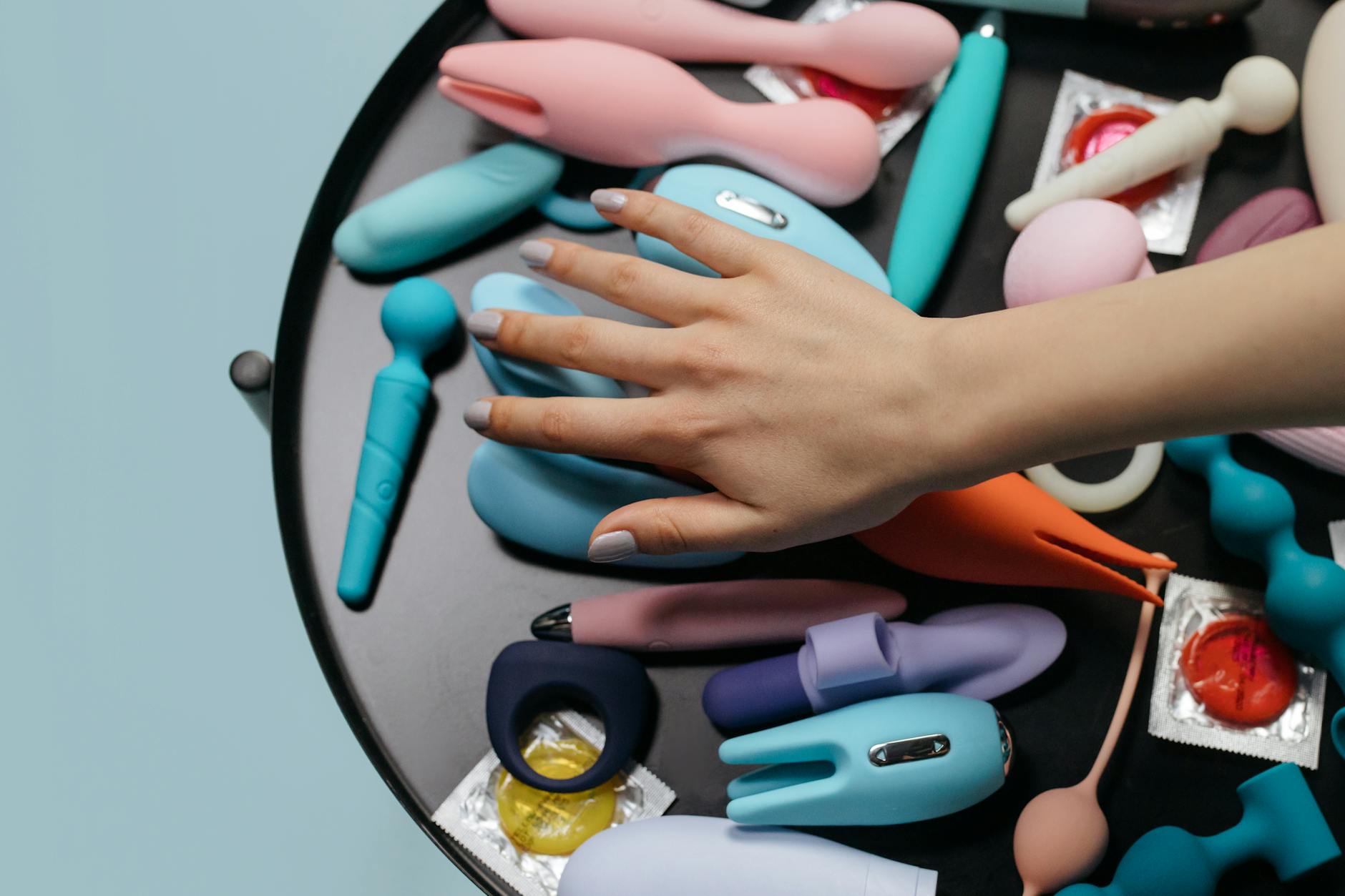
Photo by cottonbro studio on Pexels
Lemon clitoral vibrators are particularly useful during this conversation because they're straightforward tools, not substitutes for intimacy. You're not bringing them in because your partner isn't enough. You're bringing them in because your body's response timeline has shifted, and this tool helps bridge that gap while you adjust.
When to expect things to stabilize
Most people report that medication adjustment takes four to six weeks. By that point, your body has usually settled into a new baseline for sensation and arousal.
That baseline might be different from before. You might find that orgasm feels slightly different, or takes a different pathway to reach. That's not good or bad. It's just different.
If it's been six weeks and pleasure still feels completely absent, check in with your prescribing doctor. Some medications do have persistent sexual side effects, and there are often alternatives worth trying. That conversation is easier if you've already given your body time to adjust.
Practical tips for success with lemon vibrators during adjustment
Start solo before involving a partner. You'll learn your body's new baseline without the pressure of performing or coordinating.
Keep a simple note of what works. When you try pattern three at medium intensity and it feels good, remember that. Your body's preferences might shift as the medication settles in, so what works in week one might be different by week five.
Your pleasure matters just as much after a medication change as it did before. It might just take a different path to get there.
If you experience pain during use, stop and check in with your doctor. Pain is different from sensation change. Pain signals that something needs attention.
Be patient with yourself. You wouldn't expect your body to run a marathon while adjusting to a new medication. Same logic applies to pleasure. Give yourself the grace to learn a new rhythm.
Why lemon clitoral vibrators specifically help during this window
Compared to other toy types, lemon clitoral vibrators and similar suction-style toys have real advantages when sensation feels muted.
Wand vibrators require more direct pressure. When blood flow is reduced or sensation is dulled, that pressure can feel overwhelming or just numb.
Internal vibrators require arousal that's already fairly far along. When arousal is slow to build, you need external stimulation that works efficiently.
Lemon clitoral vibrators work with your body's adjusted baseline. They deliver sensation through a wider surface area, respond to subtle arousal signals, and give you multiple intensity levels to work with as your body recalibrates. If you're looking at options, this toy type gives you the most flexibility during adjustment.
FAQ
How long does it take for sensation to come back after starting a new medication?
Most people notice stabilization within four to six weeks. Some medications show changes within days. Others take longer. The timeline depends on the specific medication, your body, and how far the adjustment runs. If it's been eight weeks and nothing has shifted, that's worth discussing with your doctor.
Can I use lemon vibrators on the same day I start my new medication?
Yes, but your body might not respond the way it usually does. That's okay. Think of it as a baseline check. You're learning what your body feels like right now, not testing whether the medication ruined everything.
Should I tell my doctor I'm using a clitoral vibrator while adjusting to a new medication?
It's worth mentioning if the medication is known for sexual side effects. Doctors aren't shocked by this conversation. They're actually more helpful when they know you're proactively managing the adjustment.
What if the lemon vibrator doesn't feel like anything for the first week?
That's common during the first few days of a new medication. Your nervous system is still recalibrating. Give it time. If it's been two weeks and you still feel nothing, check in with your prescriber.
Can I use lubricant with my lemon clitoral vibrator if my medication is drying out my tissues?
Absolutely. Water-based lubricant paired with a lemon clitoral vibrator is a smart combination when medication side effects include dryness. This isn't a workaround for a broken system. It's just physics.
What if my partner thinks I need a vibrator because of their performance?
That's a conversation worth having directly. The medication changed your body's response, not your attraction. A lemon clitoral vibrator is a tool, not a judgment on your partner. If they're still skeptical, you might check out our guide on how to use lemon vibrators with a partner who doesn't like toys.
What comes next
Medication adjustment is temporary. Your pleasure doesn't disappear. It shifts, and then it stabilizes, usually in a new form that still feels good.
Lemon clitoral vibrators meet you where you are during that window. They don't ask you to force sensation you can't feel yet. They work with your body's adjusted baseline and help you rebuild confidence while your nervous system settles.
Give yourself four to six weeks. Use tools that work with your body, not against it. Check in with your doctor if things don't stabilize. And remember that a medication that helps your mental health or physical wellbeing is worth the temporary recalibration of pleasure.
If you have questions about which tools might work best for your specific situation, we're here to help. Reach out at /contact anytime.