When pleasure feels like starting over
Here's what nobody tells you about reconnecting after a relationship ends or stalls: your body doesn't just pick up where it left off. The neural pathways for arousal, desire, and orgasm get quieter when a relationship dies. Not gone. Quieter. It's a little like your body's been holding its breath for months, and now you're trying to remember how to breathe normally again.
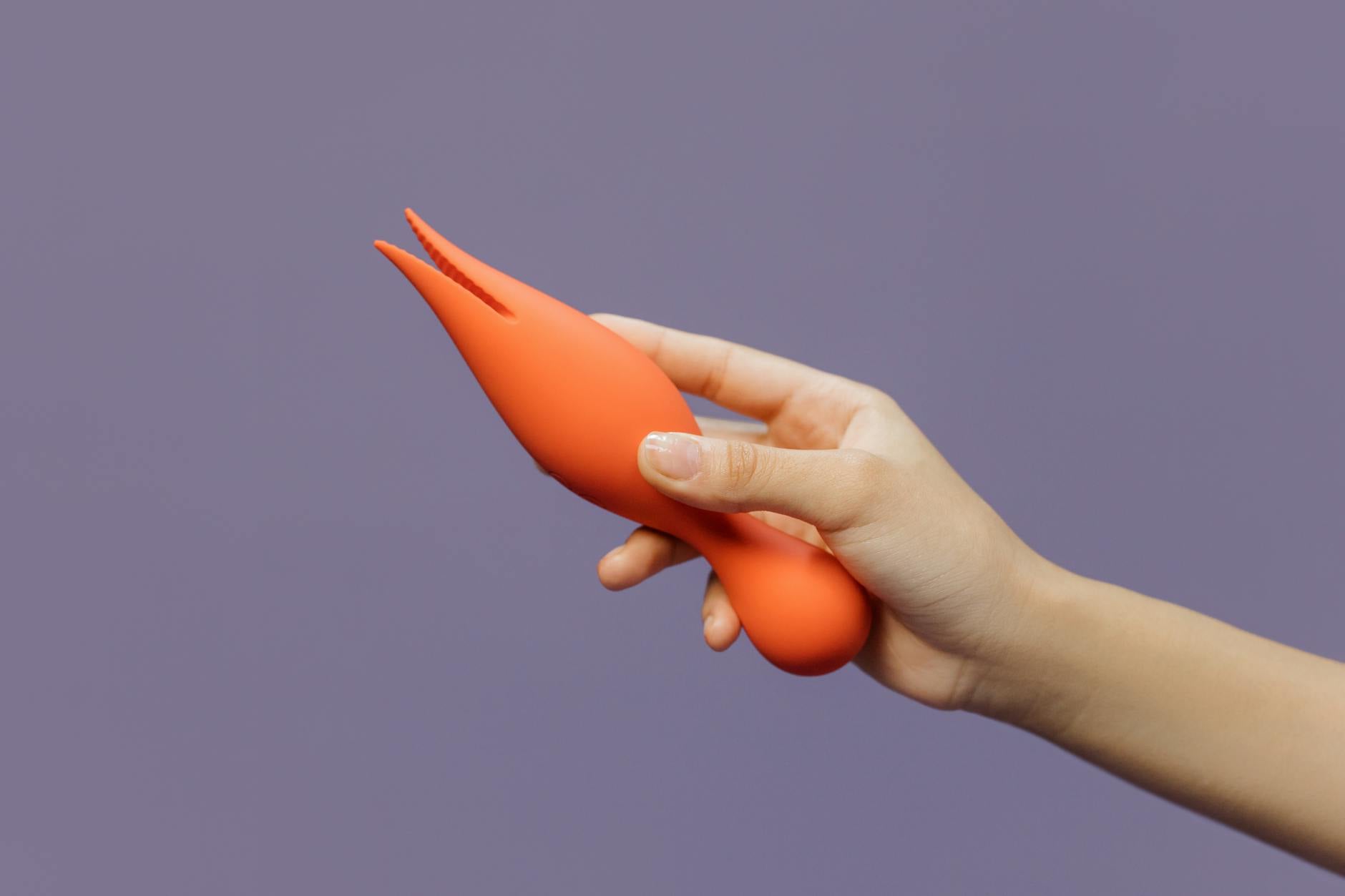
The weird part is that reconnecting with pleasure feels weirder than the breakup itself. At least with the breakup, grief made sense. With pleasure? It can feel selfish, or awkward, or like you're betraying something you're not even sure you believe in anymore. Lemon vibrators, and specifically the kind of focused, gentle clitoral stimulation they provide, can be a bridge back to your body when everything else feels foreign.
Why reconnection requires a different approach
When you've been emotionally disconnected from a partner (or yourself) for a while, the body responds with what I call "shutdown mode." Blood flow to the clitoris decreases. The pelvic floor tenses as a protective reflex. Arousal takes longer to build, and when it does, it often comes with a layer of self-judgment that kills the whole thing. You're not broken. You're protected. Your nervous system did its job.
The reason lemon clitoral vibrators work particularly well during this phase is mechanical and psychological. Mechanically, the suction and pulsing patterns activate the clitoris in a way that bypasses the need for your brain to do all the heavy lifting. You don't have to think yourself into arousal. The vibrator does some of that work for you. Psychologically, a lemon vibrator feels like a fresh start because it's not attached to the old story. It's yours, on your terms, with no history baked in.
The first session: what to expect
Set aside 20 minutes and plan not to orgasm. I know that sounds counterintuitive, but the goal right now is reconnection, not performance. Here's how to approach it.
Start with some basic self-touch away from the clitoris. Thighs, belly, breasts if that feels good. This is nervous system regulation work. You're telling your body it's safe to feel. Spend a solid five minutes on this. Your body doesn't owe you arousal yet.
When you move the lemon vibrator to the external vulva, start at the lowest setting. Most people skip straight to intensity mode 3 or 4 because they think more stimulation equals faster results. Wrong. Intensity 1 or 2 is where reconnection happens. You're waking up nerve endings that have been dormant. Gentle matters.
When the vibrator touches your clitoris, expect it to feel more intense than you'd guess from looking at it. The suction mechanism on lemon vibrators creates a different sensation than you might have experienced before. Some people describe it as a gentle pulling or a rhythmic hug. Others say it feels like someone's breath. It's not sharp or jarring. It's precise and concentrated, which is exactly what a disconnected nervous system needs.
Stay with it for at least five minutes before deciding how you feel. Sensation builds slowly when you're reconnecting. What feels weird at minute two often feels good at minute five.
Building your reconnection routine
Once you've done that first session, you now know your body can still feel pleasure. That's the hardest part. The next step is consistency without pressure.
I recommend three sessions per week during the first month of reconnection, with at least one day between sessions. Your nervous system needs time to integrate what it's learning. Too much too fast triggers overwhelm. Too little doesn't create momentum. Three sessions with spacing works for most people.
Each session, you can gradually increase time and, if it feels right, intensity. By week two, you might move from intensity 1 to intensity 2 partway through. By week three, you might be comfortable exploring a second setting. Notice I said "if it feels right." Your only job is to show up and let your body tell you what it wants. The lemon vibrator is there to facilitate conversation between you and your pleasure, not to demand anything.
The partner conversation (if there is one)
If you're rebuilding intimacy in a relationship context rather than solo healing, the self-pleasure piece needs to happen first. This is non-negotiable. You cannot reconnect with a partner until you've reconnected with yourself. Full stop.
Once you've had a few solo sessions and understand how your body responds to the lemon clitoral vibrator, bringing it into partnered sex is simpler than you'd think. The conversation looks like this: "I've been exploring some things on my own, and I want to show you what I've discovered." That's it. No apologies. No shame. No performance anxiety about whether your partner will think it's "weird."
If your partner pushes back, that's data. You're learning something important about whether this relationship is actually safe for your pleasure. That's the real purpose of this work. Pleasure isn't just about sensation. It's about agency, trust, and feeling worthy of good things. A partner who supports your reconnection is a partner who's safe. A partner who doesn't? Now you know.
When reconnection takes longer than expected
Some people reconnect in three weeks. Others take three months. There's no timeline for un-numbing a nervous system. If you've been emotionally disconnected for over a year, it might take several months of consistent practice before orgasm feels accessible again. That's not failure. That's healing.
If you're past the two-month mark and feeling nothing, it's worth checking in with a healthcare provider. Sometimes disconnection from pleasure points to depression, hormonal shifts, or medication side effects. A lemon vibrator can't fix all of that alone, but combined with therapy or medical support, it's a powerful tool.
One thing I often recommend during longer reconnection: vary your touch. Use the lemon vibrator one session, then do hands-only the next, then back to the vibrator. Your nervous system gets locked into patterns, and variation teaches flexibility. It reminds your body that pleasure comes in different packages.
Building confidence to move forward
After about four to six weeks of regular practice, most people report a shift. The pleasure stops feeling like a thing you're doing and starts feeling like a thing you're experiencing. That's the sign that reconnection is working. Your nervous system has downshifted from protection mode back into receptivity.
From there, you get to decide what happens next. Maybe you want to explore partnered intimacy again. Maybe you want to deepen your solo practice. Maybe you want to explore other sensations when your clitoris feels less responsive, knowing that lemon vibrators offer different patterns than other toys. All of it is right.
The whole point of reconnection is ownership. You're not getting your pleasure back from someone else. You're reclaiming it from yourself. A lemon clitoral vibrator is just the tool that makes that reclamation easier.
Practical care for your lemon vibrator during this process
You're using this tool frequently right now, so maintenance matters. Clean your lemon vibrator with warm water and a dab of mild soap after each session. Dry it fully before storing it. Keep it somewhere safe and private where you won't feel rushed or interrupted. Your reconnection ritual deserves that respect.
Water-based lubricant is your friend, especially in early sessions when natural lubrication might be slower to arrive. A small amount helps reduce any friction that might make early reconnection feel uncomfortable. This isn't about being broken. It's about removing barriers to pleasure.
If you're between relationships and want to reconnect first, a lemon vibrator gets you there faster than anything else I've seen work in practice. It's intimate without requiring emotional vulnerability to another person. It's powerful without being intimidating. And it works exactly at the pace your body needs.
People also ask
How long should it take to feel pleasure again after a breakup?
There's no fixed timeline, but most people feel noticeable shifts in sensation within two to three weeks of consistent practice with a lemon vibrator. Deep reconnection often takes six to twelve weeks. Your nervous system heals at its own pace, and that's completely normal.
Can I use a lemon vibrator if I feel numb down there?
Yes, that's actually one of the most common reasons people reach for one. The concentrated, pulsing stimulation of a lemon clitoral vibrator can wake up sensation that's been dormant. Start at the lowest setting and be patient. Numbness usually lifts with consistent, gentle exposure.
Is it weird to use a lemon vibrator alone if I'm in a relationship or trying to reconnect with one?
Not at all. Reconnecting with your own body first makes partnered intimacy better, not worse. Partners who feel threatened by your solo practice are often partners with their own insecurity issues. Your pleasure is not a threat. It's a foundation.
What if I don't orgasm the first few times I use a lemon vibrator?
Perfectly normal. The first few sessions are about reconnection and nervous system regulation, not orgasm. Once your body feels safe again, orgasm usually follows. Pushing for it too early actually slows down the process.
Can lemon vibrators help with desire that hasn't come back yet?
Desire often follows physical pleasure, not the other way around. Use a lemon vibrator to rebuild physical sensation first. Once your nervous system remembers what good feels like, desire often returns naturally. If it doesn't after three months of consistent practice, talk to a therapist or doctor.
How do I know if I'm actually healing or just distracting myself with pleasure?
There's a difference between reconnection and avoidance. Reconnection feels curious and self-compassionate. Avoidance feels desperate or numb even while it's happening. If you're checking in with yourself honestly during your practice, you'll feel the difference. Trust that feeling.