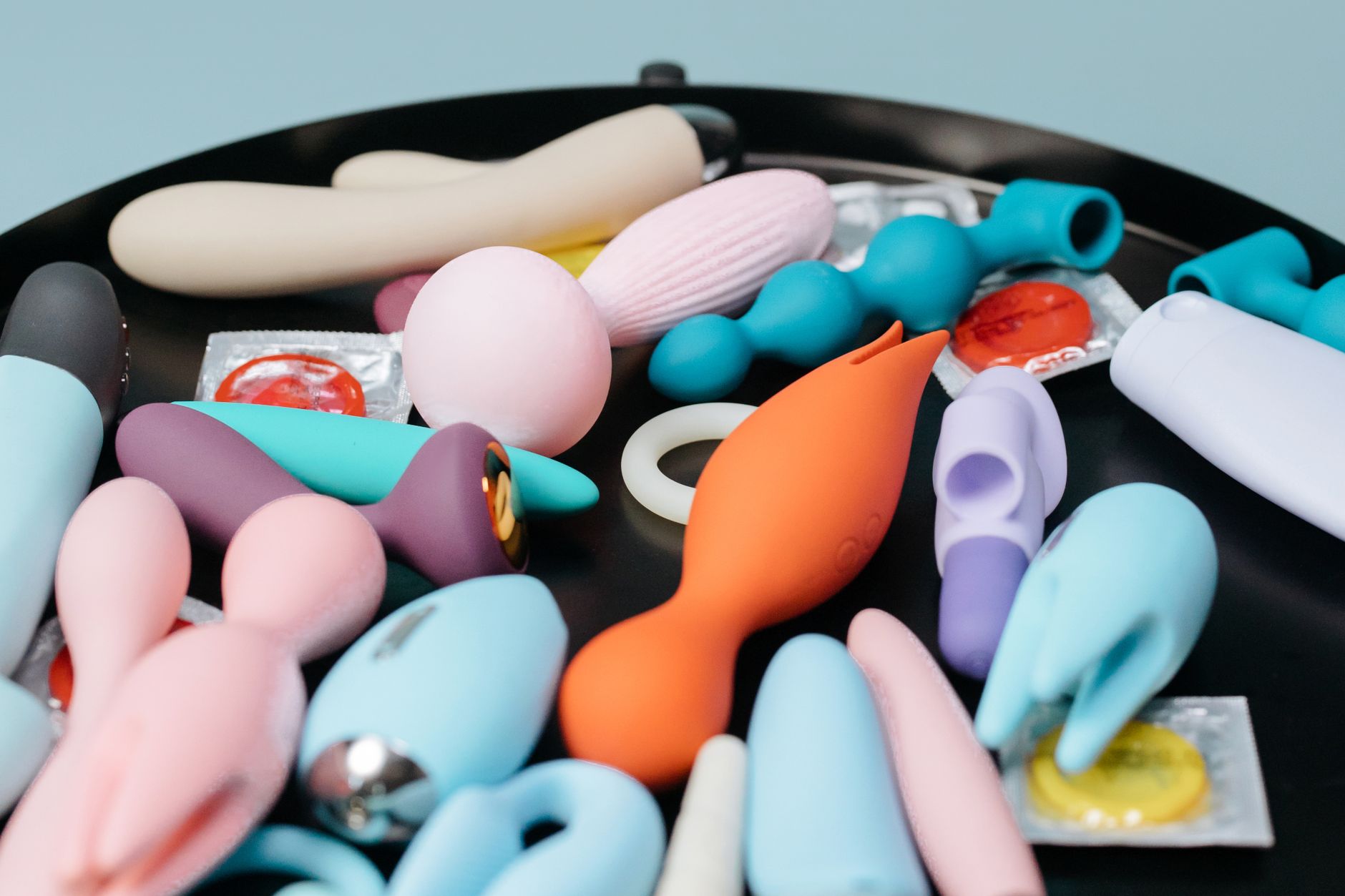
The thing nobody tells you about new relationships and vibrators
You're a few months in. Things are good. And then you think: what if I brought a lemon vibrator into this? The anxiety spirals from there. Will they feel replaced? Will they think I'm not satisfied? Will it be weird?
Here's the reality. Using lemon vibrators or other clitoral vibrators with a new partner isn't awkward because of the toy. It's awkward because we've been trained to treat sex toys like secrets. They're not. They're tools that often make sex better for everyone involved.
Why new relationships make this harder
You don't have the trust reservoir yet. In a long relationship, you've weathered enough conversations that one more feels manageable. At the beginning, every conversation feels like it could tip the balance. That feeling is real, but the risk is usually much smaller than it seems.
The other piece: early on, you're both still figuring out what you want in bed. Introducing a lemon vibrator can feel like you're adding complexity when you're still in the getting-to-know-you phase. But actually, it's the opposite. Knowing what you like and being willing to ask for it is deeply attractive to most people. It says: I know myself, I'm not afraid of you, and I want us to have good sex together.
Most people, when faced with a partner saying "I'd like to try this," don't feel threatened. They feel trusted. You're letting them into something that matters to you.
The setup conversation (three principles)
Start outside the bedroom. Not in bed, not mid-foreplay, not right before sex. Pick a moment when you're both relaxed and clothed. A car ride, after dinner, on the couch watching TV. The casualness of the setting makes the conversation feel less like a crisis.
Lead with what you want, not what you lack. "I've been curious about trying a lemon vibrator because I love the sensation" is totally different from "I need more stimulation because you're not doing enough." One is about exploration. The other is a criticism wrapped in a toy. Even if the second thing is true, frame it as the first thing for now.
Make it about you both, not just you. "I'd really like to explore this together" or "I think we could have fun with this" keeps it partnered. It signals that this isn't something you're doing to yourself in a corner. You want them involved.
What to actually say
Here are three openers that work:
"I've been reading about clitoral vibrators and I'm curious to try one with you. Would you be open to that?"
"I really enjoy our sex life. I'm also interested in exploring what feels good in different ways. There's this thing I'd like to try."
"I want us to keep discovering things together. I'm thinking about using a lemon vibrator. I'd love your thoughts."
All of these share something: they're clear, they're not defensive, and they assume the answer might be yes. They don't apologize for wanting pleasure.
If your partner says they're not into it, that's okay. You might ask why. Often it's a misunderstanding you can untangle. Sometimes it's a hard boundary. That's information worth having early.
The first time using it together (and what not to do)
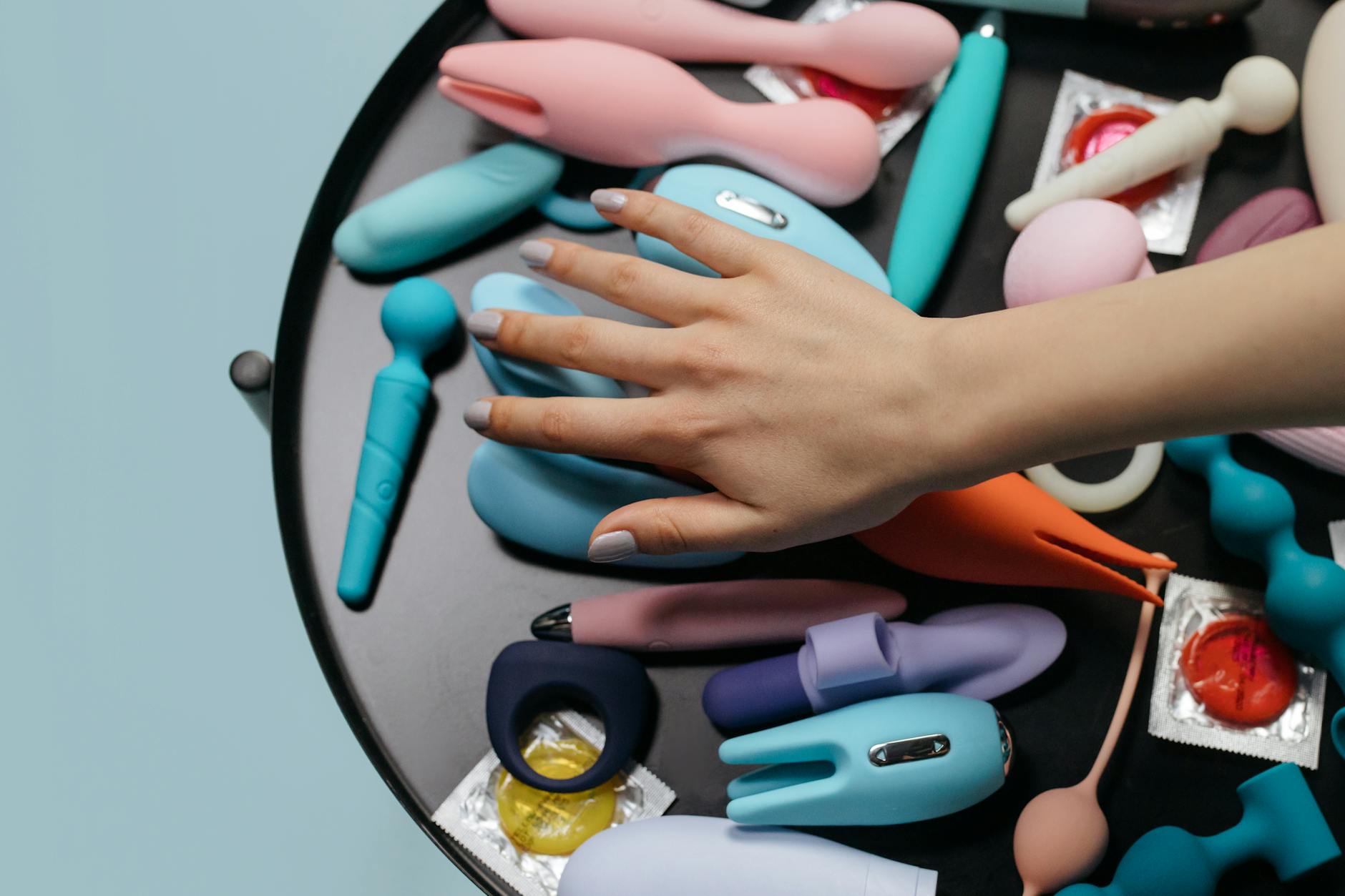
Photo by cottonbro studio on Pexels
Don't make it the entire encounter. The lemon vibrator isn't the main event yet. It's one tool in a longer session. Start without it. Build arousal normally. Then, when things are moving along, introduce it.
Let them hold it. Let them use it on you. This does two things: it makes them active participants instead of passive observers, and it helps them understand what it's actually doing. Watching something happen is very different from understanding the sensation.
Talk while it's happening. Not a full conversation, but check-ins. "That feels good," "try a little lighter," "move it there." This grounds it as a shared experience. You're not disappearing into your own pleasure. You're here with them.
Don't expect it to be perfect the first time. You might not love every pattern. The angle might be off. Your partner might be nervous about "doing it wrong." None of that matters. You're learning together.
Why lemon clitoral vibrators work particularly well for this
Clitoral vibrators like those from The Lemon Suckers have a specific advantage in new relationships: they're clearly not a penis replacement. A larger toy can sometimes trigger insecurity (though it shouldn't). A focused clitoral vibrator is unmistakably about stimulation, about what feels good to you specifically.
It also means your partner can be hands-on. They can incorporate it into what they're already doing. They can use it while inside you. They can watch your response. The toy becomes a bridge, not a barrier.
The emotional piece most people skip
Using a vibrator with a new partner does something beyond the physical. It teaches you both that pleasure is collaborative. It shows that sex doesn't have to be a performance. It opens the door to a million other conversations about what you actually want.
I've had clients come back and say, "We talked about the vibrator, and then we were able to talk about everything else." That's not a coincidence. The conversation skills you use to introduce a lemon vibrator are the same ones you use to build intimacy over time.
This is also the moment to check your own anxiety. If you're terrified about your partner's reaction, that might tell you something about whether this relationship has room for honesty. A good partner will either be curious or will at least respect that this matters to you. If they're cruel about it, that's information.
Troubleshooting: common hesitations
"What if they think I'm not satisfied with them?" Separate the two things. Your pleasure has room for many sources. A vibrator isn't about replacing them. It's about adding sensation. You can frame it exactly that way.
"What if it kills the mood?" Usually it doesn't. But if it does the first time, that's normal. Try again later. Sometimes the anticipation is weirder than the reality.
"What if I feel self-conscious?" You might. That's okay. Tell them you're nervous. Let them reassure you. That vulnerability often brings you closer.
"What if they want to use it but I don't?" Then you've learned something useful about what you each want. Not every person who loves vibrators is equally comfortable being the receiving partner. That's fine. Figure out what works for both of you.
After the conversation: maintaining the confidence
Once you've done it once, the second time is easier. The third time, it's just a normal part of your sexual repertoire. You stop thinking about it as a big deal and start thinking about it as a tool that works.
The reason to build this habit early in a relationship is exactly this. If you establish that you can talk about and use things like lemon vibrators without shame, you create a template for every other conversation that matters. Want to try something else? Already done it. Want to talk about what's not working? You have a language for it.
New relationships are exactly the right time to figure out how to be honest about pleasure. Do it now, and you won't spend years being polite instead of being satisfied.
Frequently asked questions
How do I know if my new partner will be okay with me using a lemon vibrator?
You don't, and you can't. But statistically, most people are either curious or indifferent. Very few people actively hate the idea once they understand what it is. The only way to find out is to ask. If you're in a relationship where you can't ask about something that matters to you, that's worth examining, whether it's about vibrators or anything else.
Is it better to buy a lemon vibrator before or after I tell them?
Tell them first. That way you're inviting them into the decision. You might ask what they think, what kind of thing they'd be comfortable with, whether they want to be involved in choosing it. This keeps it collaborative from the start. Showing up with a vibrator already in hand can feel ambushing, even if you mean well.
What if they want to use it but I'm nervous about them touching me with it?
Start by using it on yourself while they watch. Once you're comfortable with the sensations, you can hand it to them. You don't have to jump to them doing it. And you can always take it back. "A little nervous, let me have it for a second." That's completely normal and most partners will respect it.
Can I use a lemon sucker or other lemon adult toy if my partner has erectile concerns?
Absolutely. In fact, many people find that using a clitoral vibrator together takes pressure off performance. If you're focused on something that directly stimulates you, it removes some of the burden from them. This can actually help with anxiety related to erectile function. It's a tool that benefits both people.
How do I bring this up again if they said no the first time?
Don't, unless something genuinely changes. A "no" to a vibrator proposal is usually a no. But if months pass and you're more connected, you could revisit it once. "I've been thinking about what you said about vibrators. I'm still curious, and I wonder if you might be too now?" But only if you genuinely sense openness. Pushing it will create resentment.
What if I already own a lemon vibrator and they found it?
This is less ideal, but it's not catastrophic. The conversation you have now is still the same: you're curious about your own pleasure, and you'd like to explore using it together. You don't need to apologize for owning it. You might acknowledge it would've been better to talk first, but own that you're open to that conversation now.
The deeper truth
Introducing lemon vibrators to a new relationship is fundamentally about trust. Not in the sense of trusting someone with a secret. In the sense of trusting that they can handle knowing what you actually want. And trusting yourself enough to ask for it.
Every good long-term relationship I've worked with as a therapist has this in common: both people felt safe being honest about desire. They didn't all get there in the first month. But they got there because they practiced. They asked for things that mattered to them. They learned that their partner could handle it.
Use the conversation about the vibrator as practice. Ask for what you want. See how they respond. Notice whether they meet you with curiosity or defensiveness. That tells you a lot about whether this relationship is built on solid ground. And if it is, then using lemon clitoral vibrators together isn't the beginning of a problem. It's the beginning of sex that actually works for both of you.
For more strategies on building intimacy early in relationships, explore how to use lemon vibrators when you feel disconnected from your body or read about how to use lemon vibrators when you feel pressure to orgasm.
Sources
Gottman, J. M., & Silver, N. (2015). The Seven Principles for Making Marriage Work. Harmony.
Perel, E. (2018). The State of Affairs: Rethinking Infidelity. Harper.
Nugent, C. N., Bremner, J. D., & Pietrzak, R. H. (2017). Sexual dysfunction and cardiovascular disease: a review of the epidemiology. The Journal of Sexual Medicine, 14(3), 330-340.