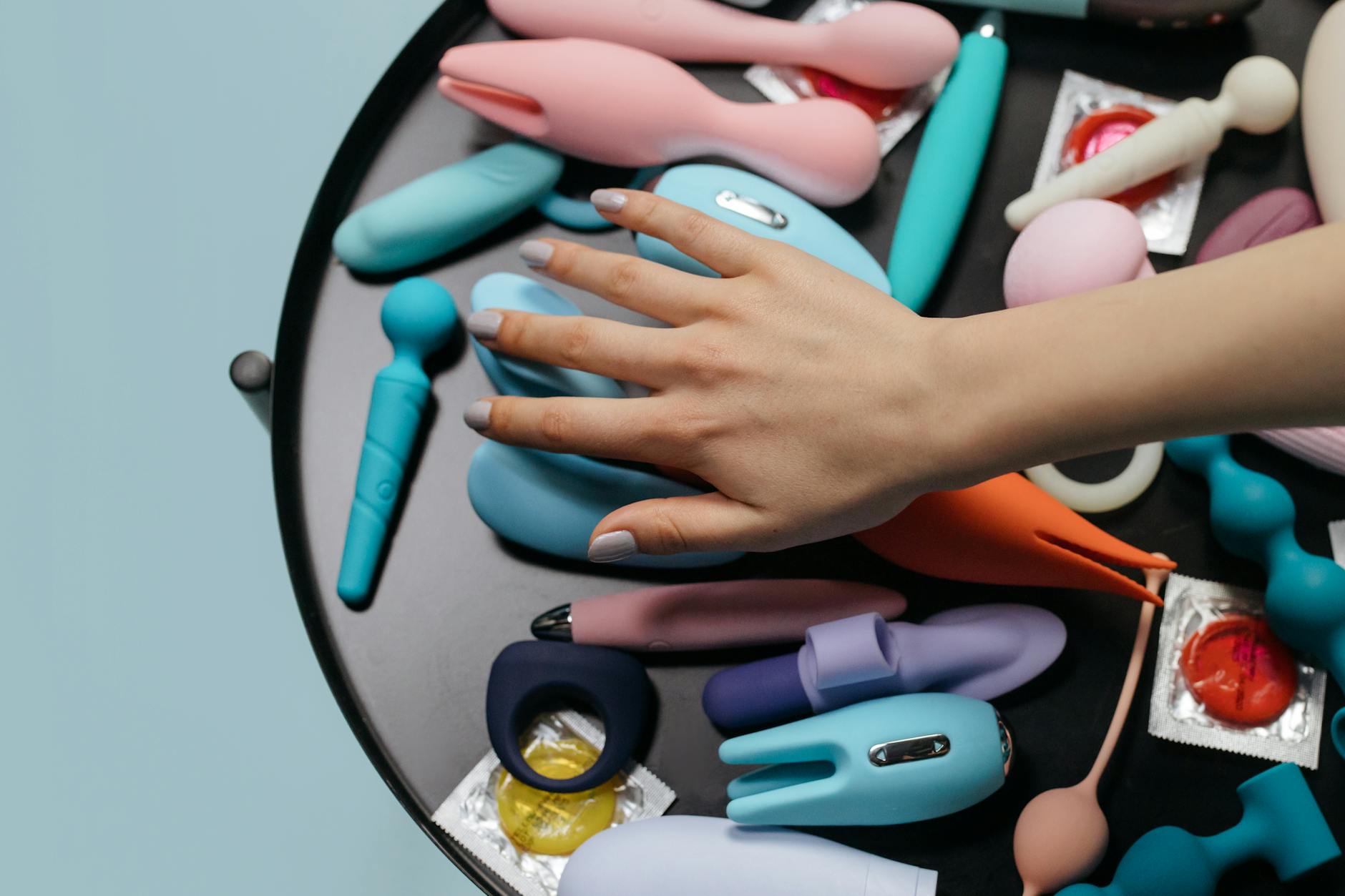
How to Use Lemon Vibrators for Better Orgasms When Antidepressants Reduce Sensation
Let's be real: antidepressants save lives. They also sometimes make orgasms feel like they're happening on the other side of frosted glass. That's not a reason to stop taking them. It's a reason to understand what's happening and find tools that work with your body, not against it.
About 40 to 65 percent of people taking SSRIs or SNRIs report some change in sexual response. For many, that means orgasms take longer to build, feel less intense, or require different kinds of stimulation to reach at all. The good news: this is predictable, manageable, and responsive to the right approach. Lemon vibrators, specifically their suction-based design, work particularly well for bodies navigating this exact friction.
Why antidepressants affect sensation in the first place
SSRIs (selective serotonin reuptake inhibitors) like sertraline, paroxetine, and fluoxetine work by keeping serotonin circulating in your brain longer. That steadiness is what lifts mood and reduces anxiety. But serotonin also plays a role in sexual arousal and orgasm timing. When you're holding more of it, the signal that normally says "contract muscles, reach climax" gets delayed or softened.
SNRIs like venlafaxine add norepinephrine to the mix, which can add another layer of blunting to genital sensation and the muscle contractions that create orgasm.
This isn't dysfunction. It's a side effect of how your nervous system is rebalancing. Your clitoris hasn't lost sensitivity in any structural sense. The pathway from touch to climax has just gotten longer and steeper.
What lemon clitoral vibrators do differently
Most vibrators use repetitive buzzing or pulsing to stimulate nerve endings. They're good, and they work for many people. But when antidepressants have already dampened the signal, you sometimes need a different approach.
Lemon vibrators use suction combined with gentle vibration. That dual action does three things:
1. It creates intensity without raw force. Suction pulls tissue gently into the device while the vibrations work inside that seal. You get profound stimulation without the kind of mechanical friction that can actually desensitize you further if you use it for too long.
2. It targets a wider sensory surface. Instead of a pinpoint vibration, suction engages the entire clitoral complex, including areas that standard vibrators miss. For bodies on antidepressants, this broader engagement often means faster arousal buildup.
3. It works with the way medication changes your arousal curve. People on SSRIs often need a longer warm-up period and more intense initial stimulation to cross that threshold. Lemon suction vibrators are built for exactly this. You start at a low setting and the design naturally carries you through the sustained stimulation phase that medication requires.
Setting yourself up for success
Three things matter before you even turn the device on.
Choose the right moment. You're already working with a longer arousal window. Don't add time pressure. Pick an evening or morning when you have 20 to 40 minutes free and your brain isn't racing. Antidepressants also often improve mood and reduce anxiety, so you might find that certain times of day just feel more settled. Work with that, not against it.
Budget for warm-up. Don't go straight to the lemon vibrator. Spend 10 to 15 minutes with whatever foreplay or self-touch usually gets you going. The goal isn't to be aroused yet. It's to wake up the nerve endings and get the feedback loop started. Your body is on slower speed right now. Accept that and plan for it.
Use lube. Antidepressants can also affect natural lubrication for some people. A water-based lubricant on the external clitoris before you introduce the vibrator makes the suction seal better and lets sensation transmit more clearly. It's not a sign you're broken. It's physics.
How to actually use a lemon vibrator when medication has flattened sensation
Start at pattern 1 or 2. Yes, really. The impulse is to jump to intensity because sensation feels distant. Don't. The suction design means low settings still deliver significant stimulation. Jumping to high right away can numb you out further, especially if you're already working against medication.
Find a comfortable position. Most people find that lying back or in a reclined position lets them relax into the sensation without bracing. Bracing tightens the pelvic floor, which actually reduces nerve transmission. You want loose and open.
Keep the device in steady contact for 60 to 90 seconds before adjusting intensity. The suction needs time to create that seal and for the sensation to register through the medication's filter. If you're moving it around or changing intensity constantly, you're interrupting the buildup.
When you're ready to shift intensity, go up one level at a time. Wait 30 to 60 seconds between changes. This might feel slow. It is. That's the point. Medication-affected bodies often respond better to a sustained, gradual climb than a sudden jolt.
If you hit a plateau where sensation is still distant, pause for a minute or two. Take a breath. The nervous system sometimes needs a reset. When you resume, you'll often feel a small shift in sensation. This is normal with antidepressants and not a sign that the device isn't working.
Most people find their rhythm after 3 to 5 sessions. Your body learns to recognize the signal and respond faster.
When to think about other adjustments
Lemon vibrators are genuinely helpful for medication-related sensation changes. But they're one tool, not the only one.
If you've been consistent for several weeks and sensation still feels totally absent, talk to your prescriber about timing. Some people find that taking their dose at night instead of morning makes a difference. Some find that adjusting the timing around their intimate time helps. This is a normal conversation to have.
If your antidepressant is particularly problematic for sexual response, you might ask about switching to one with a lower sexual side effect profile. Bupropion and mirtazapine, for example, tend to be more neutral or even improve sexual response compared to SSRIs. That's not a reason to stop your current med. It's just information for a conversation with your doctor.
If you're with a partner, talk about this openly. Partners often feel rejected or think they've done something wrong when arousal shifts. Explaining "my nervous system is processing input differently right now, and here's what helps" transforms the whole dynamic. You're not broken. You're working with new parameters. That's fixable.
Why this actually works
Medication doesn't disconnect you from pleasure. It recalibrates the intensity and speed at which signals travel. How to use lemon vibrators for better sensation when your clitoris feels less responsive goes deeper into the neurology, but the basic truth is: suction-based stimulation bypasses some of the flattening by engaging nerves in a way that straightforward vibration doesn't.
Lemon clitoral vibrators work because they're designed for complex clitoral anatomy and sustained simulation. Antidepressants require exactly that kind of thoughtful, patient approach.
You're not choosing between mental health and pleasure. You're just learning a new path to the same destination.
Frequently asked questions
Do I need to change the intensity pattern, or is steady vibration okay?
Steady vibration is absolutely fine. Many people on antidepressants actually prefer it because patterns can feel distracting when you're already working to register sensation. Start on the steady mode and only switch to pulsing if you want variety later. Your comfort matters more than trying all the settings.
How long does it usually take to orgasm with a lemon vibrator when on SSRIs?
Everything takes longer. Plan for 20 to 40 minutes from start to finish, especially in the first few weeks. That includes warm-up time. As your body learns the signal, it often speeds up a bit, but expecting the same timeline as pre-medication is setting yourself up for frustration. Slower isn't worse. It's just different.
Can I use a lemon vibrator every day, or will I get numb from overuse?
Daily use is fine if that's what feels good. The concern about desensitization is real, but it's more about using one intensity level at maximum speed every single time without variation. If you're using a range of settings and taking breaks between sessions, your body won't numb out. Vary your approach slightly session to session and you'll stay responsive.
My partner is hesitant about vibrators. How do I bring this up in the context of my medication?
Frame it as a tool for your nervous system, not a replacement for your partner. "My medication affects how quickly I feel aroused. This device helps my body register sensation better. It's not about preference. It's about what works with my nervous system right now." Many partners become more interested when they understand it's medical rather than optional. If your partner remains resistant, that's a deeper conversation worth having separately. How to use lemon vibrators with a partner who doesn't like toys addresses this directly.
What if I'm on multiple medications that affect sexual response?
Layering effects are real. More medications that impact serotonin or norepinephrine can compound the dampening. In this case, consistency and patience matter even more. You may need a longer warm-up window and may benefit from keeping a simple log of what settings and approaches work best for you. Patterns emerge after a few sessions and inform what works next time.
Will this stop working after a while, or is this a long-term solution?
Most people find that after an initial adjustment period, their responsiveness stays stable. Your body adapts to how the lemon vibrator works and you maintain that response. The medication's side effect doesn't get worse over time in most cases. You're not chasing an ever-increasing need for intensity. You're finding your new baseline and staying with it.
Moving forward
Antidepressants are worth the side effects for your mental health. That's not in question. But you also deserve pleasure and sexual satisfaction. Those things aren't in competition. Understanding how your body responds to medication and using tools like lemon clitoral vibrators that work with that response means you get both.
Start slow, be patient with yourself, and remember: this is manageable. Your body isn't broken. It's just processing input at a different speed. That's entirely workable, and there's genuine pleasure waiting on the other side of the adjustment.