When pleasure suddenly stops speaking your language
Let's be real. One day you're feeling things just fine. The next, it's like someone turned down the volume on your entire nervous system. Touch that used to light you up barely registers. Orgasms feel distant or require way more effort. And suddenly you're wondering if something's broken.
It's not. What's happening is hormonal, and it's also temporary. I've worked with hundreds of people experiencing this exact friction between expectation and sensation, and I can tell you the path back is clearer than you think.
Hormonal shifts dull sensation. Estrogen drops affect nerve sensitivity, lubrication, and blood flow to genital tissue. Progesterone fluctuations change arousal patterns. Even subtle shifts in thyroid function or cortisol can numb your responsiveness. But here's the part nobody explains: dulled sensation is not the same as lost capacity for pleasure. Your body hasn't forgotten how to feel good. It's just operating in a different register.
What hormonal changes actually do to sensation
Three systems get affected when hormones shift.
Your nerve sensitivity takes a hit. Estrogen supports the density and function of nerve endings in genital tissue. When estrogen drops, those nerves become less reactive. This isn't damage. It's a volume dial turned down. The same nerve endings are still there, still capable of firing, just less trigger-happy about it.
Blood flow changes. Arousal depends on blood rushing to genital tissue to create swelling and sensitivity. Hormonal shifts can reduce how efficiently blood flows to these areas, which means less engorgement and less natural lubrication. You might notice sex takes longer to feel good, or penetration feels uncomfortable when it didn't before.
Your central nervous system rewires its response patterns. Progesterone and estrogen influence neurotransmitters like serotonin and dopamine, which directly control how much stimulation your brain registers as pleasurable. Lower hormone levels can mean your brain literally requires more input to register the same amount of sensation.
Here's the part that matters: none of this means you're broken. It means you need a different approach.
Why lemon vibrators work better when sensation is muted
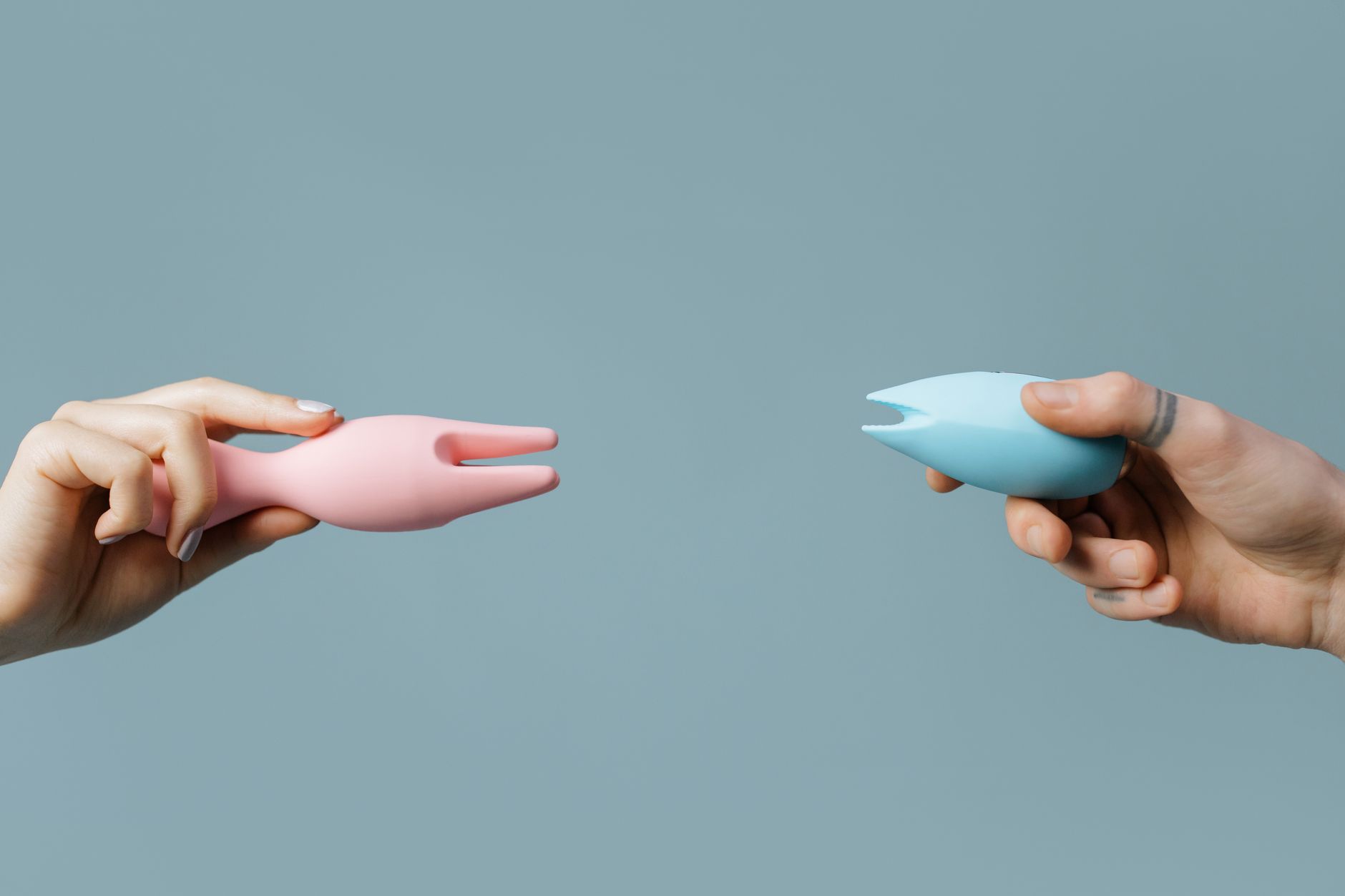
Air-suction technology (like what you get with lemon clitoral vibrators) bypasses some of these barriers in ways traditional vibration doesn't.
Most vibrators work through repetitive movement on skin. When your nerve endings are less reactive, this can feel like background noise. Air-suction stimulation is different. It creates a gentle pulling sensation that engages a broader area of tissue and stimulates deeper nerve clusters. You're not relying on sensitivity alone. You're activating sensation through a different pathway.
For people experiencing hormone-driven sensation loss, this matters enormously. A lemon clitoral vibrator's suction action typically feels more noticeable than standard vibration because it's a different kind of stimulus. Your nervous system hasn't grown numb to suction the way it might have to familiar vibration patterns.
I recommend starting at the lowest suction setting and working up. Your tissue needs time to remember what it's feeling, and gentleness is actually your advantage here. Give yourself at least 20-30 minutes of unhurried exploration. This isn't rushing toward an orgasm. It's reacquainting yourself with sensation at a pace that lets your nervous system catch up.
The preparation that changes everything
If hormonal shifts are affecting sensation, preparation isn't optional. It's foundational.
Lubrication first. Water-based lube is your friend, and a generous amount matters more than you think. Thin or drying tissue needs cushioning, and good lube lets suction technology work without friction. Apply it generously and reapply halfway through if needed.
Second, warm yourself up properly. When sensation is muted, arousal builds slowly. Plan for 15-25 minutes of touch, breathing, or erotic content before you even introduce the vibrator. Let your body's natural lubrication and blood flow wake up. This isn't boring foreplay you have to get through. It's the actual beginning of pleasure, not separate from it.
Third, check your pelvic floor. Hormonal changes often make the pelvic floor tighter and less flexible. Tension blocks sensation. Spend a few minutes before intimacy doing simple pelvic floor releases: lie down, breathe into your belly, and deliberately soften the muscles between your anus and genitals on each exhale. Your pleasure depends on these muscles being able to relax.
Building sensation back, layer by layer
When you're using a lemon clitoral vibrator for dulled sensation, speed isn't the answer. Pattern matters more.
Most lemon clitoral vibrators have rhythm options beyond simple on-off. Start with a steady, slower pattern at the lowest suction level. Let your body register this sensation for two or three minutes before you think about changing anything. You're not looking for instant arousal. You're looking for your nervous system to recognize what's happening.
Once you feel that initial spark of sensation (even a small one), you can experiment. Try moving the vibrator slightly so the suction engages different angles. Try slowly increasing intensity by one level. The key word is slowly. Your body responds to gradual escalation better than sudden changes, especially when sensation is already muted.
Many people find that adding mental engagement helps too. Erotica, fantasy, or even just focusing intentionally on the sensations (rather than letting your mind wander) can amplify what your body's registering. Your brain is part of your pleasure system, and when sensation is quiet, giving your mind something to engage with can make a real difference.
When to loop in support
If you've been experimenting for several weeks and sensation still isn't budging, it's worth talking to a healthcare provider. Hormonal dulling sometimes signals something addressable, like suboptimal thyroid function or cortisol patterns. A good doctor can run basic bloodwork and rule out easy fixes.
If you're in a partnership, communication helps. Your partner doesn't need to know every detail of your sensation journey, but they should know something's shifted. A simple conversation—"My body's responding differently right now, so I need more time and a different kind of touch"—prevents a lot of confusion and hurt feelings.
Sometimes the mental piece matters most. If dulled sensation is triggering shame or a spiral about "getting old" or "losing your sexuality," talking to a therapist who specializes in sexuality can be genuinely transformative. You're not broken. You're experiencing a real physical shift that has a real solution.
FAQ
What's the difference between dulled sensation from hormones and from numbness caused by medication?
Hormonal dulling typically feels gradual and affects your entire body's responsiveness. Medication-induced numbness often hits faster and may feel more localized. But honestly, the fix is similar: longer warm-up, more intentional stimulation, and often a conversation with your doctor about whether your medication dose is right. You might also explore how to use lemon vibrators when pleasure feels numb after medication changes for more specific strategies.
Can hormonal shifts cause permanent sensation loss?
No. Sensation changes with hormonal fluctuations, but it's not permanent. Even major hormonal events (like menopause) don't erase your capacity for pleasure. They change how your body responds, which means you're learning a new pattern, not losing the ability altogether. Some people report their most intense orgasms happen after major hormonal shifts, once they've adjusted their approach.
How long does it usually take to regain sensation after hormonal changes?
This varies, but most people notice real shifts within 4-8 weeks of consistent, intentional exploration with a lemon clitoral vibrator. Some notice changes in days. Others take months. The timeline depends on what's causing the hormonal shift, whether you're addressing it medically, and how much you're practicing. More frequent exploration generally helps.
Should I use a lemon vibrator alone or with a partner when sensation is muted?
Start solo. When you're relearning your own sensation, a partner's presence can add pressure or distraction. Once you've figured out what works for your body alone, bringing a partner in becomes a choice, not a necessity. And some people find they prefer exploring solo indefinitely. Both are completely valid.
Can I use a lemon clitoral vibrator if my sensation is muted from stress or anxiety?
Absolutely, and often it helps. But notice whether your mental state is contributing. If you're using a vibrator while your nervous system is in fight-or-flight mode from stress, your body literally won't respond the same way. In these cases, creating a genuinely calm environment matters as much as the vibrator itself. Some people benefit from pairing vibrator use with deep breathing, soft music, or a few minutes of grounding before they start.
What if my sensation comes back unevenly—like one part feels normal but another still feels numb?
That's super common and normal. Different areas have different nerve densities and blood flow patterns, so they don't always recover at the same pace. Keep using your lemon vibrator on the less-responsive areas a bit longer. You might also notice that some patterns reach those areas better than others. Experimentation here is your actual pleasure work.
You're not losing pleasure. You're finding a new way in.
Hormonal shifts feel like a loss because the map of your pleasure suddenly stops working. But that map was never the whole story. Your capacity for pleasure is still there, still real, still worth pursuing. You're not rebuilding. You're learning. And honestly, the patience and attention you're bringing to this right now—that's exactly the thing that deepens pleasure anyway.
If you want more strategies for working with your body's changes, we've got resources on how to use lemon vibrators when arousal takes longer to build and how to recalibrate after returning to sex following a break. Or if you want personalized guidance, reach out. We're here.
This article is not medical advice. If you're experiencing significant changes in sensation alongside other symptoms, consult a healthcare provider to rule out underlying health conditions.